Modern Car Data Systems Lack Security

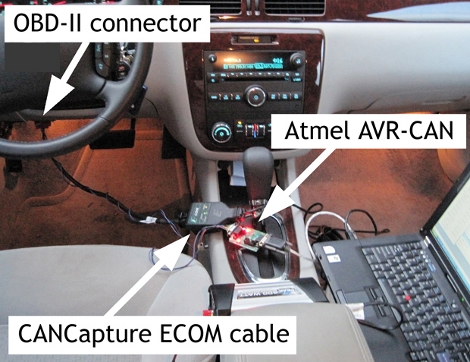
Tomorrow a team of researchers will present their paper on Experimental Security Analysis of a Modern Automobile (PDF) at the IEEE Symposium on Security & Privacy. Much like the racing simulators we’ve seen they’re exploiting the ODB-II port to get at the vehicle’s Controller-area network, or CAN-bus. We’re not surprised at all that they can display custom text on the dashboard display or read sensor data from the car. What does surprise us is their exposé on how truly unsecured the system is. It seems that access to any device on the CAN-bus gives them unobstructed control of the car’s systems. Any device can send commands to any other device. They’ve even found a way to write malicious code to the car’s computer which can be programmed to erase itself in the event of a crash.

Much like RFID the security risks here are basically nill for the vast majority of consumers. We just find it a bit surprising that there’s apparently been little thought put into fortifying the communications between the safety systems such as the brakes on the vehicle. For instance, team experimented with sending random packets over the CAN-bus and stumbled across a way to lock the brake on just one wheel. To us it’s conceivable that a malfunctioning device on the network could start sending out damaged packets and cause a dangerous malfunction like this one.

The 14-page PDF linked above is a page-turner, check it out on your hacked ereader during lunch.
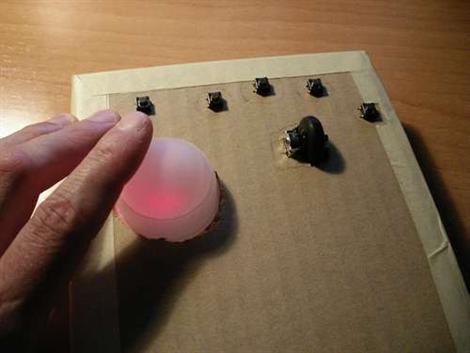
Super Quick And Cheap Trackball

[Elgatoandaluz] has posted this guide on how to tear apart a standard optical mouse and build a custom trackball. He’s using a ping pong ball , mounted above the laser as the trackball itself, which seems like it would be a little lite, but functional. The case is scrap cardboard. We really like that you could toss this together relatively quickly and have a custom layout. He recommends using Sakasa Mouse for inverting the axes and X-control for mapping the buttons(direct download).

Magically Repair AVR Chips

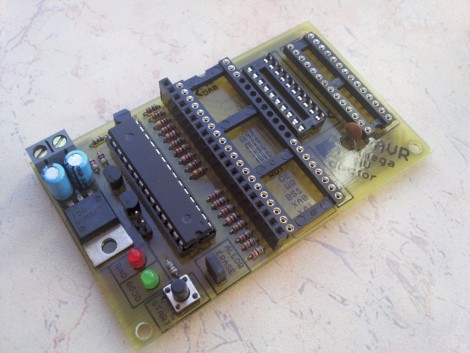
If you’ve ever spent time working with AVR microcontrollers you’ve probably set the fuse bits incorrectly at least once. The ATmega fusebit doctor will automatically repair the fuse bits and get you back in business until your next mishap. The ATmega8 that powers the device has the chip signatures for the ATmega family stored inside so it will automatically detect which chip you’re trying to ‘unbrick’. From there it looks up the correct fuse bits and resurrects the sick microcontroller. This is useful in recovering a chip that has serial programming disabled, used the reset pin as I/O, or just enabled an external clock without the necessary hardware to deliver on that feature.

This magic is taken care of by using High Voltage Parallel Programming. We’ve seen HVPP used in the Arduino rescue shield and it is a valuable feature of the AVR Dragon, our favorite AVR programmer, as well as others. Still, you can hardly beat the ease of plugging a dead chip into this board and pressing one button. Oh, did you brick a member of the ATtiny family? There’s a rescue board for those too.

[Thanks Stewe]

Old School Vending Machine Learns New Tricks

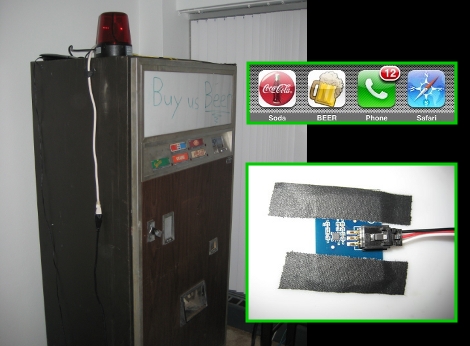
Thanks to craigslist [Chris] got his hands on a soda vending machine circa 1977. It still worked just fine (because things were still built to last back then) but he wanted to add some super-secret upgrades to the beverage dispensary. Two capacitive touch sensors were added to override the need for coins for those who know where to caress the beast, and iPhone support means that frothy beer is just a touch away.

The capacitive switches are using the same QT100 chip we saw in the game of life from last year. The whole thing runs off of a Phidgets board which we’ve seen in the past using iPhone control to launch rockets. See a demonstration of the features in the clip after the break. We’d love to do a hack like this but the problem is once you’re done, you’ve got a vending machine sitting in your house.

Continue reading “Old School Vending Machine Learns New Tricks” →

Building An Oak Telescope

You might not think about the finish of your homemade telescope but if it’s build from solid oak you probably should. [Gregory Strike] built this 8″ telescope a few years back but just posted about it a few days ago. The optics are quite expensive but the rest of the build was done dirt cheap and he did a great job of it.That includes taking care to finish the oak boards that make up the octagonal body of the instrument.

This is much more approachable for the average hacker than something like the 22″ binocular build (or going way too far and building your own observatory). [Gregory] developed his design after looking at a couple of others. If you need a bit of a push to get started check out the telescope resource we ran across in our days of Internet infancy.

Tweet-a-Watt Now Speaks To Google Power Meter

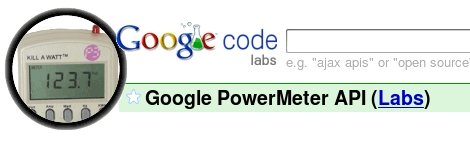
Hackaday’s own [Devlin Thyne] has been working with Adafruit to come up with a way to use the Tweet-a-Watt along with Google Power Meter. Back in March we put out the word that Google had unveiled the API for Power Meter and [Devlin] is the first we’ve heard of to come up with a way to use your own equipment with the service. You can build your own or use Adafruit’s kit and the data pulled from your energy use will be nicely displayed using the big G’s tools. Right now there’s only support for one Tweet-a-Watt but we’d image this will evolve fairly quickly into a much larger house solution. Head over to the Tweet-a-Watt code page to get the source files for this project.

[Thanks PT]

Final Projects: WiFi Coil Gun Turret

[youtube=http://www.youtube.com/watch?v=PU3QB3ScnGQ]

[Chris Farnell] and [Michael Helms] are the brains behind this scary looking piece of machinery. It is a Coil gun, mounted on a turret, that is controlled over WiFi. If that wasn’t scary enough, they have rigged it to their iphone/ipad for remote shooting. Though it looks bulky, you can see that it is surprisingly responsive in action.