Hackaday Links Column Banner

Hackaday Links: August 29, 2021

If you thought that COVID-19 couldn’t possibly impact space travel, think again. The ongoing pandemic is having unexpected consequences for companies like SpaceX, who are worried about liquid oxygen shortages due to increased demand for medical oxygen. Massive amounts of liquid oxygen are used as the oxidizer for each rocket launch, of course, as well as in hospitals, which have giant tanks of liquid oxygen somewhere on site. Whether destined for space or for patient care, liquid oxygen comes from cryogenic separation plants, and SpaceX fears that they would have to delay or even cancel launches if manufacturers can’t keep up with demand and have to prioritize their healthcare customers. We’re actually not sure if this is a concern, though, since there are usually separate supply chains for medical and industrial gasses. Then again, we’d suspect a rocket engine might prefer to breathe ultra-pure LOX too.

Speaking of space, if you want to be an astronaut, perhaps the first skill you need to develop is patience. Not only might your ride not be ready to go when you are, but at least in the EU, you’ve got a long line of applicants in front of you. The European Space Agency announced this week that they’re working through a backlog of 23,000 applications for astronaut positions. About 20% of those will apparently be dropped in the pre-screening process, but the rest will (eventually) get an invitation to a full-day test at one of the ESA’s facilities. We imagine the attrition rate from there increases dramatically; either that or the ESA intends to hire a lot of astronauts.

Back here on Earth, Google this week did what it seems to do a lot of, and killed off one of its popular apps. This time the victim is the Android Auto phone app, although we have to admit the whole thing is confusing. The app allows you to connect your phone to the infotainment system in a compatible late-model car, letting you access all your apps without having to fiddle with your phone while driving. But Google also had an app that offered the same experience directly on the phone, for cars without a compatible display. As far as we can tell, the on-phone app is the only thing that’s going away in Android 12; the app for in-car displays will continue to be supported. Former users of the phone-only app are being encouraged to migrate to Google Assistant’s Driving Mode. Or, you know, you could just drive the car instead.

So your brand-new video card is running hot, and you can’t figure out why. At your wit’s end, you crack open the card’s cover and find the reason — a somewhat suspicious-looking foreign object. That’s what happened to Antony ter Horst and his Nvidia RTX 3090, which had a finger cot wedged inside it. It would appear to have slipped off the finger of some assembly worker, and it was clearly interfering with heat flow inside the card. Antony posted the pictures on reddit, which of course found much humor in the finger cot’s resemblance to another latex object. For our part, it put us in mind of some other stories of foreign objects found in common products — there’s a reason why we always check a loaf of bread before using it.

And finally, in a lot of ways YouTube has become the new “vast wasteland” of useless content. But like television before it, there are occasional gems to be found, especially to those of us who love to learn a little something as we watch. And so when we stumbled upon a video with the title “Hot Tap and Stopple Bypass at Smoky Lake” we had to check it out just to find out what each of those words meant. It turned out to be a great video on pipeline construction methods. The “hot tap” refers to cutting into the pipeline, containing high-pressure diluted bitumen from the shale oil fields near Smoky Lake, Alberta, without interrupting the flow of product. The “stopple” is a device that can be threaded into the pipe to permanently seal it, diverting the flow to a newly installed bypass. The whole process is fascinating, so we thought we’d share. Enjoy.


Continue reading “Hackaday Links: August 29, 2021”

Who Owns The Machine Anyway?

The story of the McDonalds’ frozen treat machine involves technology, trade secrets, inside business dealings, franchiser/franchisee friction, and an alleged NDA violation. In short: lots of money and lawyers. But it also involves something that matters to all of us hackers — what it means to own a machine.

Sad clown holding melted ice cream coneThe brief background is that McDonald’s requires its franchisees to buy a particular Taylor Soft Serve machine. The machine would enter pasteurizing mode and has opaque error codes that are triggered apparently without the owners or operators understanding, at which point Taylor service techs come in to fix them — and get paid for their service, naturally. A small hardware startup, Kytch, stepped into the mess with a device that man-in-the-middles the Taylor machine’s status codes, allowing the machine’s owners to diagnose and monitor it themselves. Heroes, right?

Taylor, naturally, wants to look at a Kytch device, but they’re locked up under NDAs that Kytch require users to sign in order to protect their trade secrets. So when Taylor gets their hands on one, Kytch takes them to court for, ironically, reverse engineering their device that they built to reverse Taylor’s protocols.

There are no good guys in this fight: it’s corporate secrecy fighting corporate secrets. None of which, by the way, is Hackaday particularly fond of. Why? Because these secrets rob the ostensible owners of the devices of their ability to inspect, fix, and operate their machines. This is akin to the “right to repair” idea, but it’s somehow even more fundamental — the right to know what your own devices are doing.

What this story needs is a Robin Hood. And as the devices we get sold become increasingly wrapped up in EULAs and NDAs, and full of secret sauce that’s out of our control, we’re going to need a lot more Robin Hoods. It’s McDonald’s frozen treat machines, but it’s also your smart thermostat and your inkjet printer and your — you name it. Have at it, Hackaday!

Robot Utopia

We see so many dystopian visions of automation, it’s time for us to do it right! The Redefine Robots round of the 2021 Hackaday Prize just started, and it’s your chance to build robots that respect the users. It doesn’t have to be the largest project in the world, but it does have to be automatic and helpful. Start your engines!

Ask Hackaday: What Is Amazon Thinking By Entering The Palm-Reading Business?

Have you heard about this One? At least three United States senators have, and they want to know what Amazon plans to do with all the biometric data collected by the Amazon One program. It’s their new contactless payment method that uses your unique palm print instead of cards or phones to make purchases, gain access to venues of work and play, and enter or pay in whatever other spaces Amazon can invade down the line. The idea is that one day, we’ll all be able to leave our homes without any form of money or ID of any kind, because we’ll all be stored away in Bezos’ big biometric file cabinet.

We tossed this one around in the writer’s room back when the Amazon One concept was nothing but a pile of buzzwords and a render or two, but these kiosks are now active in 50+ Whole Foods and Amazon 4-Star locations across the US. Here’s the deal: you can only sign up at a participating store that has a kiosk, because they have to scan your palms into the system. We were worried that the signup kiosk could easily take fingerprint scans at the same time, but according to the gifs in Morning Brew’s review, it just uses another of their point-of-sale palm scanners along with a touch screen and a card reader. But you still have to hover your entire hand over it, so who’s to say that the scan ends where the fingers begin?

Continue reading “Ask Hackaday: What Is Amazon Thinking By Entering The Palm-Reading Business?”

This Week In Security: Through The Mouse Hole, Zoom RCE, And Defeating Defender

Windows security problems due to insecure drivers is nothing new, but this one is kinda special. Plug in a Razer mouse, tell the install dialog you want to install to a non-standard location, and then shift+right click the Explorer window. Choose a powershell, and boom, you now have a SYSTEM shell. It’s not as impressive as an RCE, and it requires hands-on the machine, but it’s beautiful due to the simplicity of it.

The problem is a compound one. First, Windows 10 and 11 automatically downloads and starts the install of Razer Synapse when a Razer device is plugged in. Note it’s not just Razer, any branded app that auto installs like this is possibly vulnerable in the same way. The installation process runs as system, and because it was started automatically, there is no admin account required. The second half of the issue is that the installer itself doesn’t take any precautions to prevent a user from spawning additional processes. There isn’t an obvious way to prevent the launch of Powershell from within the FolderPicker class, so an installer running as SYSTEM would have to go out of its way to drop privileges, to make this a safe process. The real solution is for Microsoft to say no to GUI installers bundled with WHQL signed drivers.
Continue reading “This Week In Security: Through The Mouse Hole, Zoom RCE, And Defeating Defender”

Hands-On: MNT Reforms The Laptop

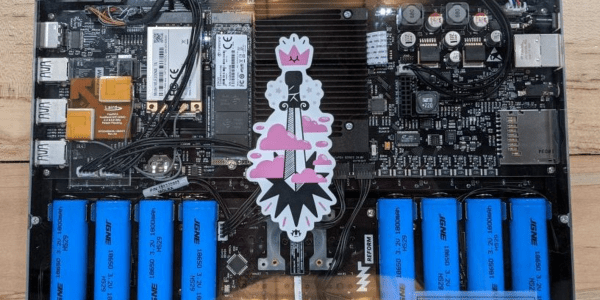
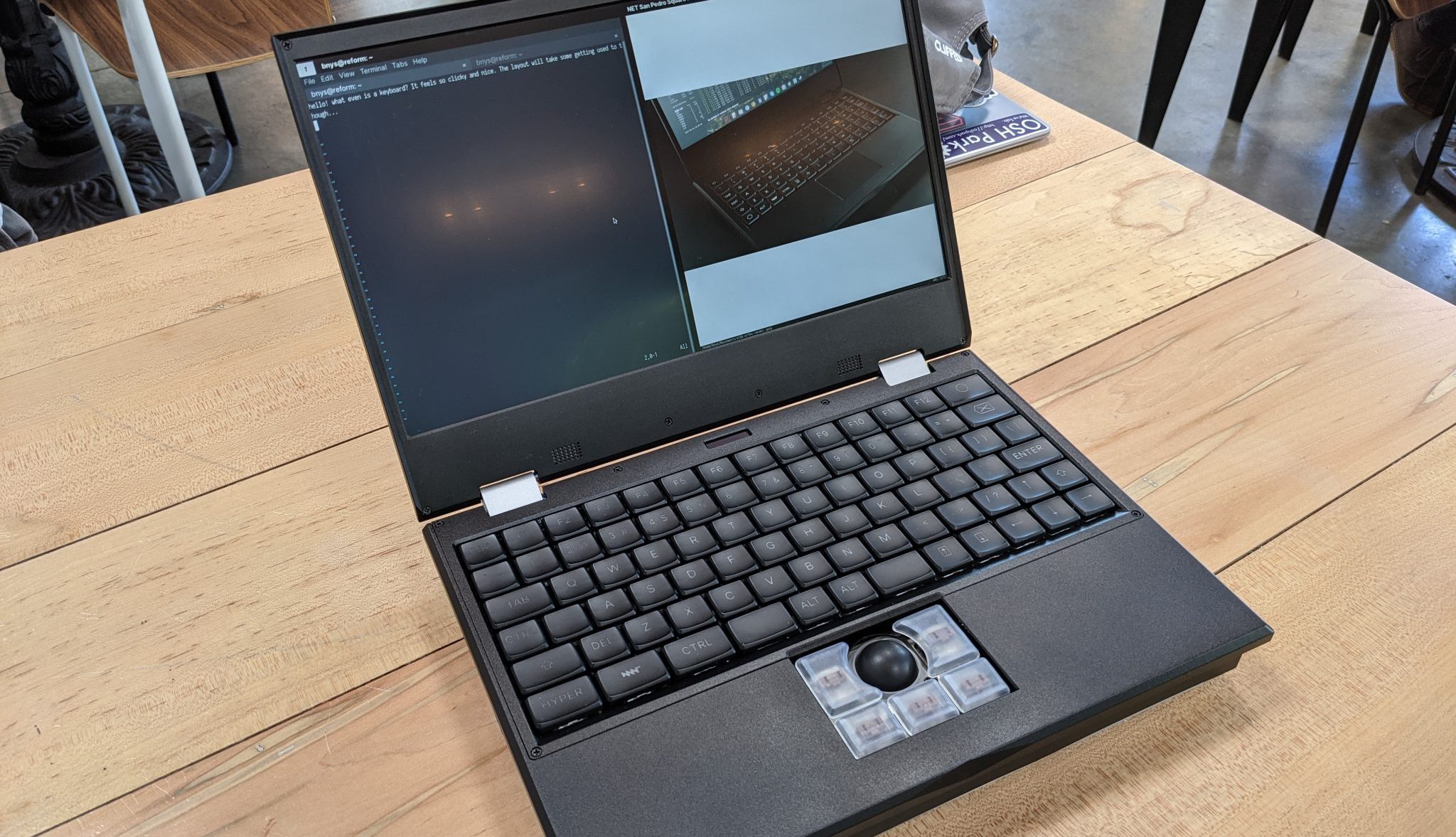
When we met our contact from MNT in the coffee shop, he was quietly working away on his laptop. Jet black and standing thick it was like an encyclopedia that didn’t quite blend in with the sea of silver MacBook lookalikes on the surrounding tables. After going through all the speeds and feeds we eagerly got our 64 piece driver kit out to open it up and see what made this marvel tick, but when the laptop was turned over it became clear that no tools were needed. The entire bottom of the machine was a single rectangle of transparent acrylic revealing everything from sharp white status LEDs on the bare mainboard to individual 18650 LiFePO4 battery cells in a tidy row. In a sense that’s the summary of the entire product: it’s a real laptop you can use to get work done, and every element of it from design to fabrication is completely transparent.

a view of the inside of a MNT Reform laptop, showing screen and keyboard
The MNT Reform

The device pictured here is called the Reform and is designed and manufactured by MNT, a company in Berlin, Germany (note MNT stands for MNT, it’s not an acronym). The Reform is a fully open source laptop which is shipping today and available via distribution through Crowd Supply. If the aesthetic doesn’t make it clear the Reform is an opinionated product designed from the ground up to optimize for free-as-in-freedom: from it’s solid metal chassis to the blob-free GNU/Linux distribution running inside.

We’re here to tell you that we’ve held one, it’s real, and it’s very well built.

Continue reading “Hands-On: MNT Reforms The Laptop”

Bar code shown in a 3D plain in Vaporwave Aesthetic

Tech In Plain Sight: Check Digits And Human Error

Computers in working order and with correct software don’t make mistakes. People, however, make plenty of mistakes (including writing bad software or breaking computers). In quality circles, there’s a Japanese term, poka yoke, which roughly means ‘error avoidance’. The idea is to avoid errors by making them too obvious for them to occur. For example, consider a SIM card in your phone. The little diagonal corner means it only goes in one way. If you put it in the wrong way, it is obviously wrong.

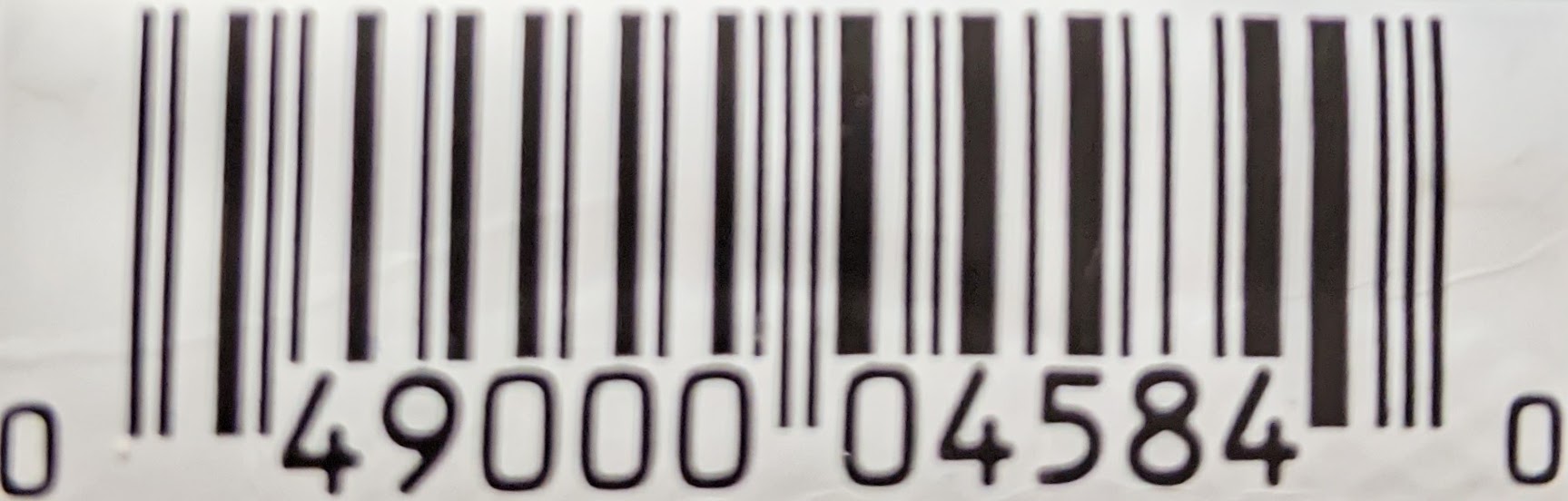
To be successful at poka yoke, you have to be able to imagine what a user might do wrong and then come up with some way to make it obvious that it is wrong. There are examples of this all around us and we sometimes don’t even know it. For example, what do your credit card number, your car’s VIN code, and a UPC code on a can of beans have in common?

Continue reading “Tech In Plain Sight: Check Digits And Human Error”

Illustrated Kristina with an IBM Model M keyboard floating between her hands.

Keebin’ With Kristina: The One With The Index Typewriters

You may have noticed that I neglected to write an introductory paragraph for the last one of these — I was just too excited to get into the keyboards and keyboard accessories, I guess. I can’t promise that I’ll always have something to say up here, but this week I definitely do: thank you for all the tips I’ve received so far! The readers are what make Hackaday great, and this little keyboard roundup column is no exception. Fabulous fodder, folks!

Kamina Chameleon

[deshipu]'s DIY keyboard with various center modules
This is [deʃhipu]’s daily driver. Vroom!
Like any keyboard enthusiast worth their soldering iron, [deʃhipu] keeps trying for the ultimate keyboard — ideally, one that runs CircuitPython and makes a great daily driver for high-speed typing.

The latest version is the Kamina, a one-piece split with a SAMD21 brain that is slim and narrow without being cramped. [deʃhipu] started by splitting the Planck layout, spreading it, adding a number row, and eventually, an extra column of Kailh Chocs on the right hand. One-piece splits are great as long as the split suits your shoulders, because everything stays in place. When you do move it around, both halves move as one and you don’t have to mess with the positioning nearly as much as with a two-piece. And of course, since he designed it himself, it fits.

The really cool thing here is the center module concept. It’s functional, it looks nice, and as long as it doesn’t get in the way of typing, seems ideal. So far, [deʃhipu] has made a couple different versions with joysticks, encoders, and buttons, and is currently working on one with a Home button made for cell phones to take advantage of their built-in optical trackpads.

Esrille NISSE Looks Nice

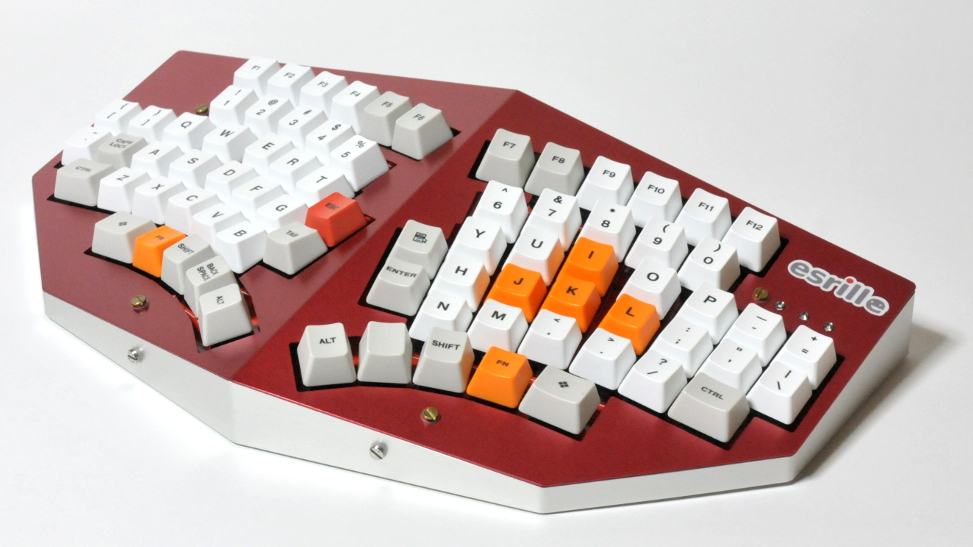
This is the Esrille NISSE keyboard and it comes in two sizes! Okay, the two sizes don’t look that different, but the key spacing specs say otherwise. To me, this looks like an Alice with a better and ortholinear layout. These bat-wing beauties are new to me, but they’ve been around for a few years now and are probably difficult to stumble upon outside of Japan. Although Esrille doesn’t seem to make any other keyboards, they do make a portable PC built on the Raspberry Pi compute module.

The Esrille NISSE keyboard
Image via Esrille.

I love me a one-piece split when its done properly, and this one seems to be pretty darn close to perfect. How do I know? You can print out a paper-craft version to try out either of the two sizes. I didn’t take it quite that far, but you can bet that I opened the smaller size’s image in a new tab and put my hands all over the screen to test the layout.

I especially like the thumb clusters and the inside keys on this thing, but I think the innermost thumb keys would be too painful to use, and I would probably just use my index finger. I would totally buy one of these, but they’re a little too expensive, especially since the smaller one costs more. (What’s up with that?) The great news is that the firmware is open-source. Between that and the paper-craft models, a person could probably build their own. Check out [xahlee]’s site for a review and a lot more pictures of the NISSE and similar keebs.

Continue reading “Keebin’ With Kristina: The One With The Index Typewriters”