Books You Should Read: Engineer To Win By Carroll Smith

One problem with engineering education today is a lack of experimental teaching. Oh sure you may have a project or two, but it’s not the focus of the program because it’s hard to standardize a test around. Typically sections of the field are taught in a highly focused theoretical course by a professor or graduate student with a specialization in that section. Because classes treat individual subject areas, it’s entirely possible to get a really good understanding of two pieces of the same puzzle, but never realize that they fit together to make a picture. It’s only when a freshly minted engineer gets out into the real world that they start to make the connections between seemingly disparate fields of knowledge.

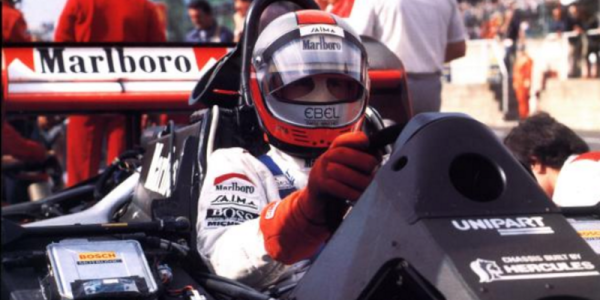
This is why Carroll Smith’s book “Engineer to Win” is so good. He spent a lifetime as a practicing engineer in a field where a small failure could mean the death of a friend. So when he set out to write a book, he wrote a book that related everything needed to properly conceptualize and solve the mechanical engineering problems in his field.

One warning though; the book is not for the faint of heart. If you want to learn something difficult well, then this is book for you. Carroll skips the comforting analogies and gives the information exactly. It can get a little dense, but he makes the assumption that the reader is there to learn and, most importantly, understand. This takes work.
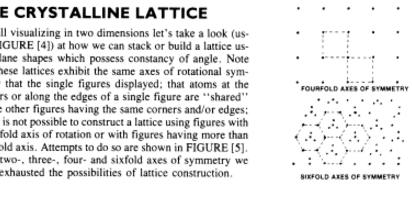
2016-08-01_02h06_34For example, you can’t really understand why a rolled bolt is stronger than a bolt cut on a screw machine until you understand how metal works on a crystalline level. The same goes for metal fatigue, brittle fractures, ductile failures, and all the maladies that metal can suffer. The difference between an engineer and a technician is this deep understanding. Otherwise the equations learned are just parts in a toolbox and not paint on an artist’s palette.

This is why the first half of the book is dominated by all things metallurgical. The book starts with the simple abstractions of the crystalline structures of metal. Unlike my materials class in university, it maintains a practical bend to the presentation of the information throughout the whole process. For example, it moves on to what all this practically means for metals undergoing stresses and failures before it launches into a (short) digression on how metals are made and their history.
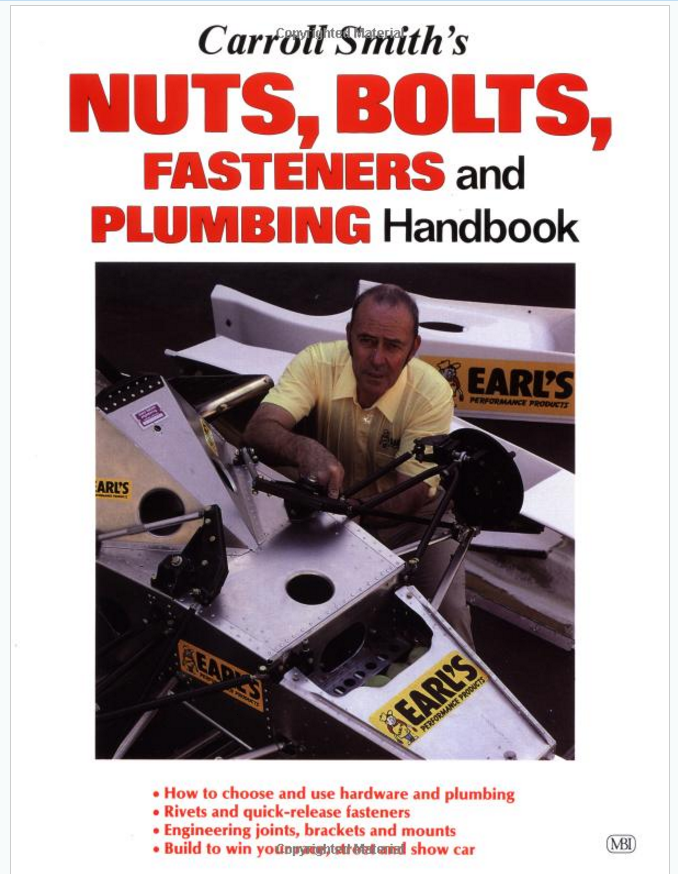
However, if racecar plumbing is your thing his treastise, "Carroll Smith's Nuts, Bolts, Fasteners and Plumbing Handbook" is also fantastic.
However, if racecar plumbing and fasteners are kinda your thing, “Carroll Smith’s Nuts, Bolts, Fasteners and Plumbing Handbook” is also a fantastic read.

This first half of the book touches on non-ferrous metals and their proper use as well. After that comes some of the best explanations of metal fatigue, fasteners, and metal bonding I’ve ever read. When the failure of a joint causes a mechanism to fail in a toaster that’s one thing, but when it fails in a racecar people get hurt. Carroll is very exacting in what constitutes a forgivable oversight in engineering, and what does not.

Once the book has finished conveying a working understanding of metals and fasteners it seems to fracture into a pot-luck of different racecar-related topics. During my first reading of the book I resisted this strange turn of events. For example, I didn’t really want to read about racecar plumbing in the eighties, or what kind of springs and aerofoils Carroll likes. However, when I reread those sections in a more focused manner, I realized that many of them were teaching the practical application of the knowledge learned in the previous chapters. How does the metal make a good spring? Why is one kind of plumbing better than another?

Importantly, the anecdotes at the end of the book impart an understanding of the importance of professionalism in engineering. What is the true responsibility of an engineer? He teaches not to take the trust others place in your skills for granted. He teaches to trust in the skills of others. The book teaches humility as an engineer. He shows the kind of person one can become after a lifetime of earnest study in their craft.

Thanks to reader, [Dielectric], for recommending the book to me. Also, from the bit of research I’ve done, the older motorworks edition is generally considered to have better quality reproductions of the diagrams than the newer printings of the book.
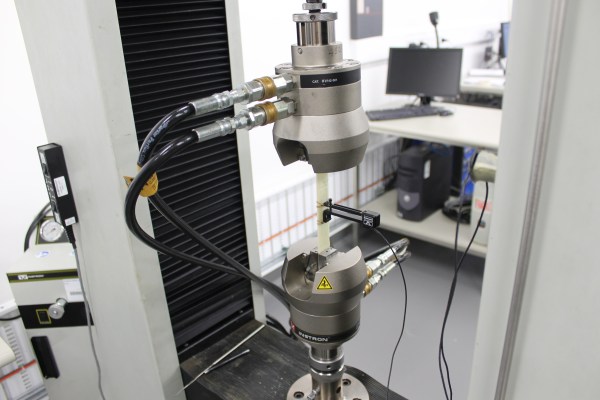
Hackaday Prize Entry: The Strength Of 3D Printed Parts

[Sam Barrett] is doing something that is sorely needed. He’s doing real materials research on FDM parts.

There’s nothing wrong with the rough experiments like hanging a 1 L bottle of water from the end of a rectangular test print to compare strengths. We also have our rules-of-thumb, like expecting the print to perform at 30% of injection molded strength. But these experiments are primitive and the guidelines are based on hearsay. Like early metallurgy or engineering; 3D printing is full of made-up stuff.

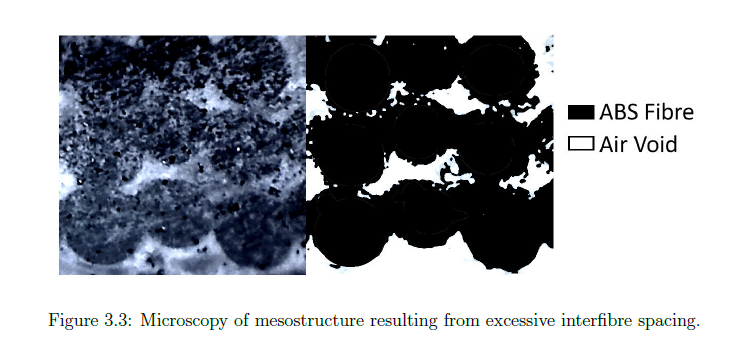
What [Sam] has done here is really amazing. He’s produced a model of a printed ABS part and experimentally verified it to behave close enough to the real thing. He’s also set a method for testing and proposed a new set of questions. If it couldn’t be better, he also included his full research notebook. Make sure to read the FDMProperties-report (PDF) in the files section of Hackaday.io.

Sam finally answered a question we've had of what it looks like when the printer over extrudes.
Sam finally answered a question we’ve had of what it looks like when the printer over extrudes.

If research like this is being done elsewhere, it’s either internal to a large 3D printer manufacturer, or it’s behind a paywall so thorough only the Russians can help a regular peasant get through to them. Anyone with access to a materials testing lab can continue the work (looking at you every single engineering student who reads this site) and begin to help everyone achieve an understanding of 3D printed parts that could lead to some really cool stuff one day.

Copenhagen Suborbitals Launches Impressive Amateur Liquid Fueled Rocket

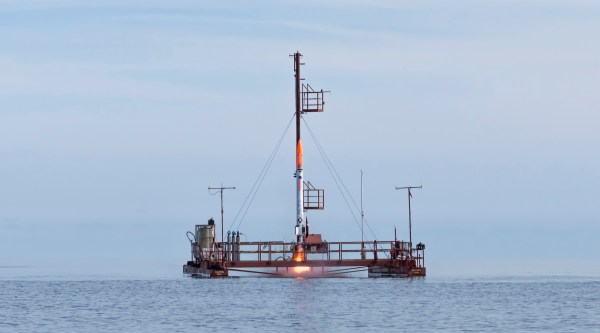
Copenhagen Suborbitals just launched their latest amateur liquid fuel rocket. Why? Because they want to strap someone to a bigger amateur liquid fuel rocket and launch them into space.

We’ve covered them before, but it’s been a while. While they make a big deal of being amateurs, they are the least amateurish amateurs we’ve come across. We’ll forgive a lot as long as they keep making great videos about their projects. Or posting great pictures of the internals of their rockets.

The Nexø I rocket they recently launched claims to be the first guided, amateur, liquid-fueled rocket. There is a nice post on the guidance system. It was launched from a custom built barge off the shore of Denmark, which allows them to escape quite a few legal hurdles around the launch. The rocket flew beautifully. That is, it went only away from the ground; no other directions. Also, it didn’t explode, which is a lot to expect from even the biggest players in the field.

Copenhagen Suborbitals continues to do amazing work. Hopefully their next rocket will be even more impressive… for amateurs, that is.

Oscillating Pneumatic Mechanism Doesn’t Need A Purpose

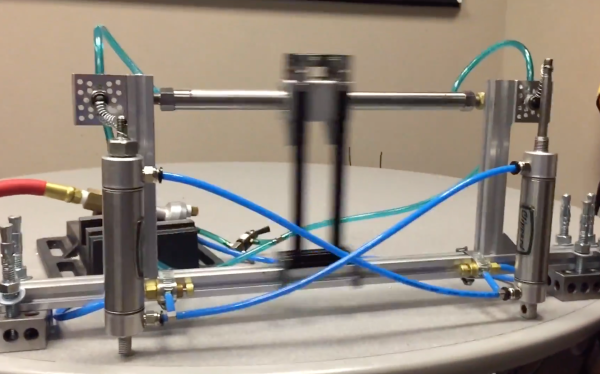
It’s true that a lot of the projects we feature here (and build ourselves) are created to accomplish some sort of goal. But, many times the project itself is the goal. That’s the case with [Proto_G’s] self-oscillating pneumatic machine, which he built with no particular use in mind.

Continue reading “Oscillating Pneumatic Mechanism Doesn’t Need A Purpose” →

It’s Not A Bridge, And Not A Tunnel. Or, Maybe It’s Both?

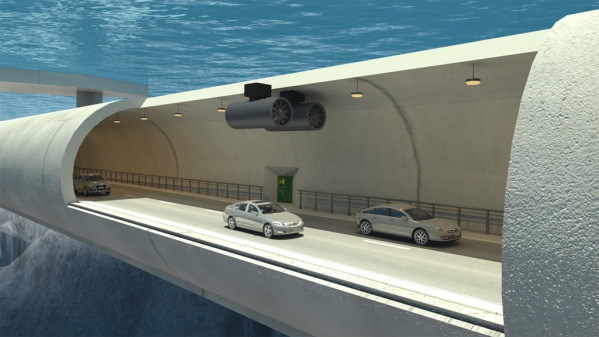
The gist of the idea is to suspend an underwater tunnel from floating pontoons. By the time you finished reading that sentence, you probably already had a list of things in your head that seem to make this a terrible idea. After all, it does seem to combine the worst aspects of both underwater tunnels and bridges. But, the idea may actually be a good one, and it’s already being seriously considered in Norway.

Continue reading “It’s Not A Bridge, And Not A Tunnel. Or, Maybe It’s Both?” →

The Hacker Is The Future Of The Prosthetic: Hackers Helping Those In Need

Rush_valley
Even the city’s welcome sign is held high by two prosthetic arms.

In the show Full Metal Alchemist, there’s a city called Rush Valley whose main and only business are the high performance prostheses called Automail. Engineers roam the street in Rush Valley; the best have their own shop like that of the high-end clothiers in Saville Row. Of course; it’s all fantasy set in a slightly ridiculous Japanese cartoon, but while walking through this year’s Maker Faire I began to wonder if is a future that may come to be.

The problem with prosthetics is the sheer variety of injuries, body types, and solutions needed. If an injury is an inch higher or an inch lower it can have a big effect on how a prosthetic will interact with the limb. If the skin is damaged or the nerves no longer function a different type of prosthesis will be needed. Some prostheses are to replace a lost limb, others are to assist an ailing body in order to return it to normal function. More than a few are simply temporary aides to help the body along in its healing efforts. Unfortunately, this means that it’s often the case that larger companies only sell the prostheses people are most likely to need; the rarer cases are often left without a solution.

The e-Nable project doesn't mess around.
The e-Nable project doesn’t mess around.

However, we see hackers stepping up and not just working on the problems, but solving them. One of our semifinalists last year, openbionics, inspired one of the projects we’ll be talking about later. There are robotic legs. We met a guy at MRRF who has been 3D printing hands for his son from the E-nable project.

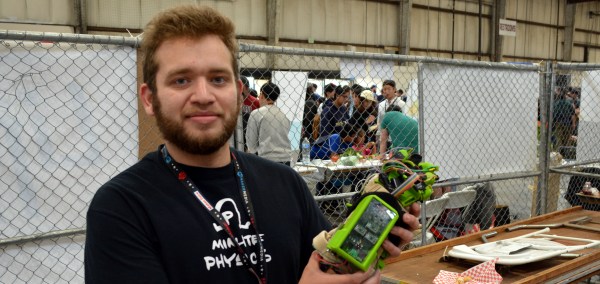
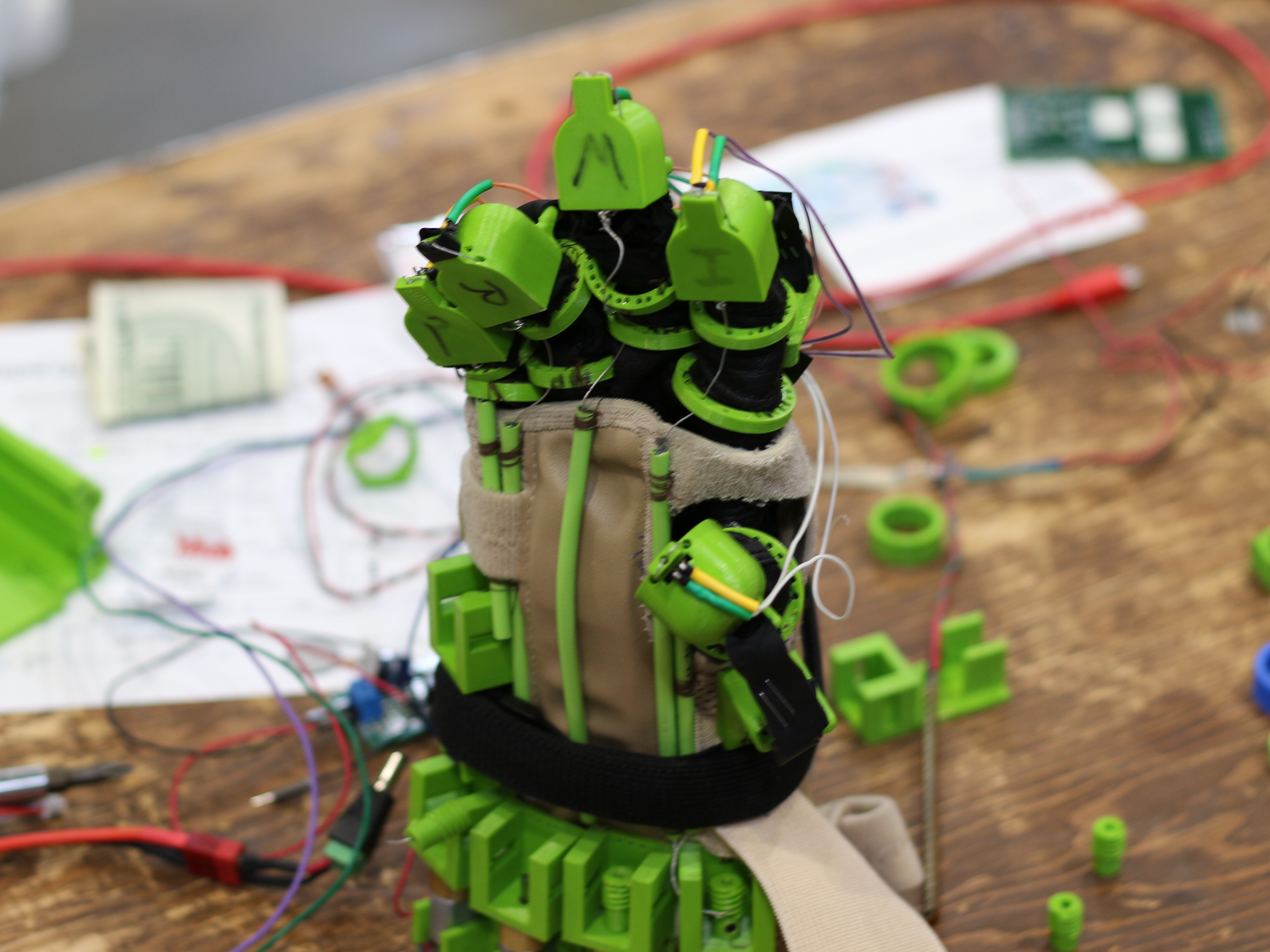
Along these lines, we saw two really cool projects at Maker Faire this year: The first is the Motor-Assistive Glove, or MAG. MAG is designed to help people with Peripheral Neropathy regain some use of their hands while they go through the lengthy road to recovery. Perhipheral Neuropathy is a disease, usually resulting from diabetes, toxin exposure, or infection, where the nerves are damaged in such a way that typically the hands and feet are no longer mobile or feel sensation in a useful way. Once the disease is in full swing, a previously able person will find themselves unable to do simple things like hold a can of soda or grasp a doorknob firmly enough to open it.

The Motor Assistive Glove

We had a chance to interview one of the members of the MAG team, [Victor Ardulov], which you can see in the following video. [Victor] and his group started a research project at the University of Santa Cruz to develop the Motor-Assistive Glove. The concept behind it is simple. People with Peripheral Neuropathy typically have some movement in their hands, but no strength. The MAG has some pressure sensors at the tips of the fingers. When the user puts pressure on the pad; the glove closes that finger. When the pressure is off; the glove opens. The concept is simple, but the path to something usable is a long one.

Continue reading “The Hacker Is The Future Of The Prosthetic: Hackers Helping Those In Need” →

One Man’s Awesome Collection Of Projects Done Over A Lifetime

[Robert Glaser] kept all his projects, all of them, from the 1960s to now. What results is a collection so pure we feel an historian should stop by his house, if anything, to investigate the long-term effects of the knack.

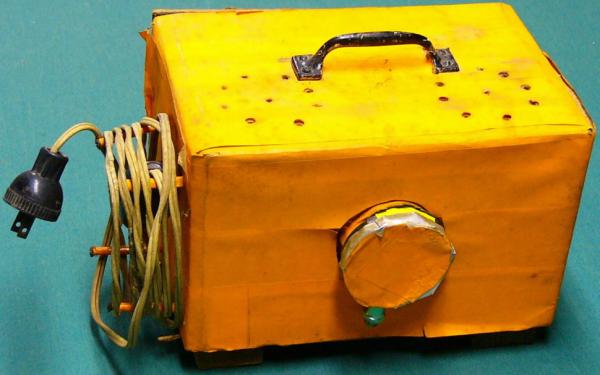
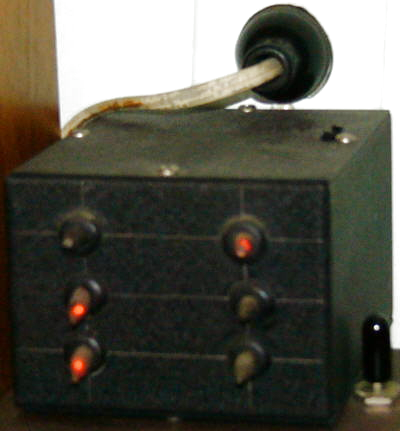
He starts with an opaque projector he built in the third grade, which puts it at 1963. Next is an, “idiot box,” which looks suspiciously like “the Internet”, but is actually a few relaxation oscillators lighting up neon bulbs. After that, the condition really sets in, but luckily he’s gone as far as to catalog them all chronologically.

We especially enjoyed the computer projects. It starts with his experiences with punch cards in high school. He would hand-write his code and then give it to the punch card ladies who would punch them out. Once a week, a school-bus would take the class to the county’s computer, and they’d get to run their code. In university he got to experience the onset of UNIX, C, and even used an analog computer for actual work.

There’s so much to read, and it’s all good. There’s a section on Ham radio, and a very interesting section on the start-up and eventual demise of a telecom business. Thanks to reader, [Itay Ramot], for the tip!