
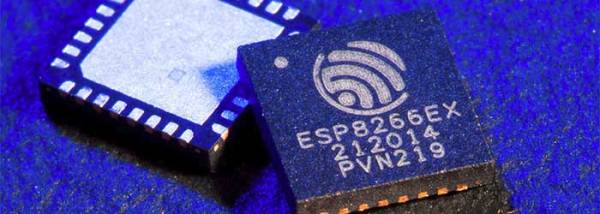
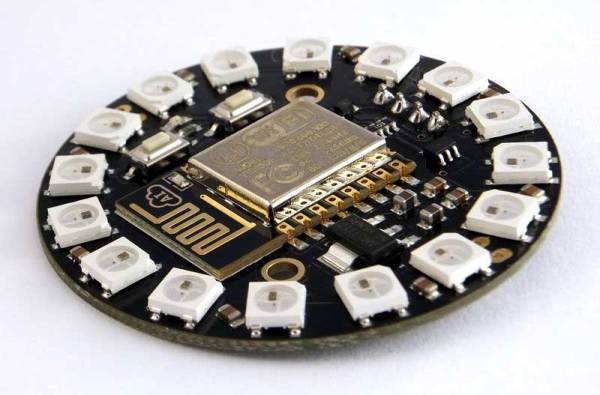
The ESP8266 is a popular WiFi chip that provides a relatively transparent connection between the TX and RX pins of a microcontroller and a WiFi network. It was released a little more than a year ago, and since then developers and hardware hackers have turned the ESP into much more than a serial to WiFi bridge. It’s a microcontroller platform unto itself, with a real development environment and support for the scripting language Lua.
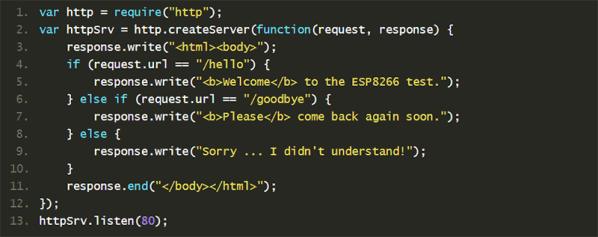
Lua is okay, but a real win would be a JavaScript interpreter for this tiny WiFi platform. It’s taken months of work, but finally there’s an open source version of JavaScript available for the ESP8266.
This build is based on the Espruino firmware, a JavaScript interpreter for microcontrollers. This interpreter runs on dozens of different microcontrollers, but being the latest, greatest, and most popular new microcontroller platform means a new solution for the ESP is very, very exciting.
Right now the JS interpreter for the ESP is in testing, with expectations high that everything will be brought over into the main branch of the Espruino firmware. There are samples of JavaScript running on the ESP available, and binaries that can be flashed onto an ESP are available here.
Thanks [Richard] for sending this one in. He’s set up an Espruino board on the ESP8266 community forum, that should eventually be filled with new examples of JavaScript running on an ESP.

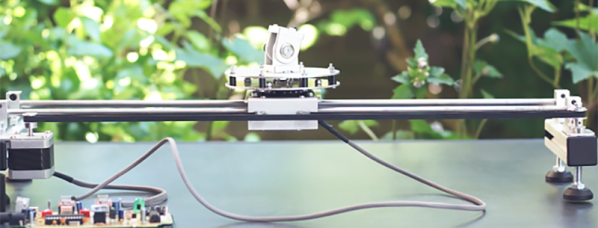
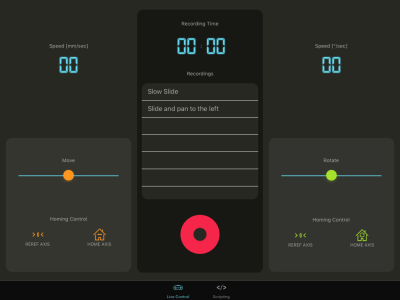 The camera slider is a two-axis ordeal, with one axis sliding the camera along two solid rails, and the other panning the camera. The circuit board was milled by the guys and includes an ATMega328 controlling two Pololu stepper drivers. An ESP8266 is thrown into the mix, and is easily implemented on the device; it’s just an MAX232 chip listening to the Tx and Rx lines of the WiFi module and translating that to something the ATMega can understand.








