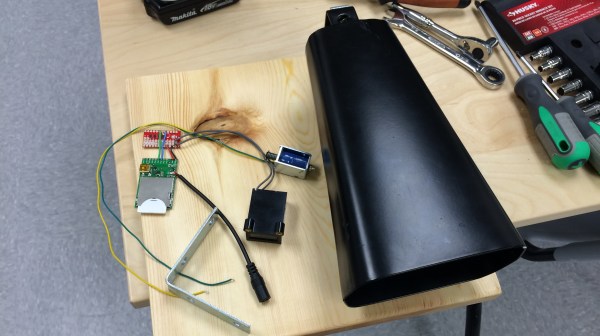
If this is a sign of the times, the Internet of Things promises a lot of entertainment for hackers who can come up with wacky ideas and interactive projects. [Brandon] built a cowbell that rings when you tweet #morecowbell. Why? Because!
On the hardware side it is quite simple, and can be built in a number of different ways depending on the parts you have lying around. [Brandon] used an Electric Imp and its corresponding breakout board. A Sparkfun mini FET shield helps drive the solenoid that hits the cowbell. And because he had one lying around, he added a counter across the solenoid to count the number of times the Twitterati have rung the Cowbell.
The code for the Electric Imp consists of two parts – the “agent code” that runs on a server in the Electric Imp Cloud and the “device code” that runs on the imp itself – and is available at this Git link. Once you tweet with the hashtag, the Cowbell replies back, randomly selecting one from a list of stored responses. Would be nice to see a video of the Cowbell in action. And if it can be made to play the Salsa beat.
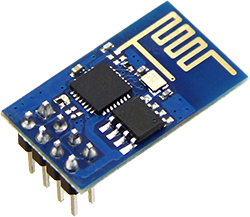 When we first heard about it a few weeks ago, we knew the ESP8266 UART to WiFi module was a special beast. It was cheap, gave every microcontroller the ability to connect to a WiFi network, and could – possibly – be programmed itself, turning this little module into a complete Internet of Things solution. The only thing preventing the last feature from being realized was the lack of compiler support. This has now changed. The officially unofficial ESP8266 community forums