Upcycling A VFD

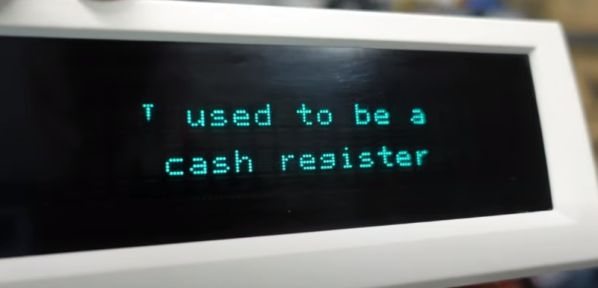
A lot of electronics wind up in landfills, and when [Playful Electronics] saw an old cash register heading for the dump, he decided to give its VFD display a new life as an Arduino peripheral. While you might not find the exact same parts, it is still fun to watch him work through the process, and you might find some tips for doing your own upcycle project next time you see some old tech heading out to pasture.

The project was relatively straightforward since data for the display was available. It is meant to connect via RS232 with a point of sale printer, so working with it is pretty straightforward.

Continue reading “Upcycling A VFD” →

3D Printed Sensor Detects Glyphosate

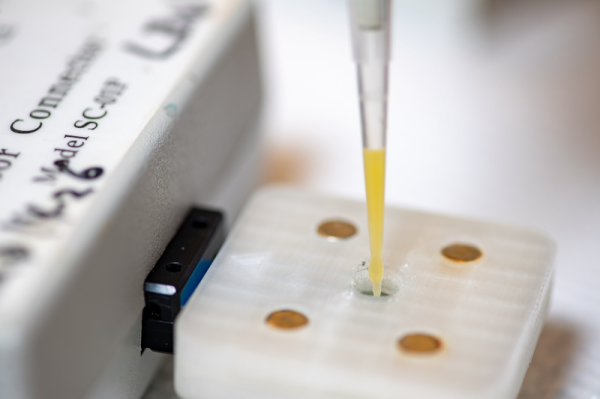
Typically, detecting glyphosate — a herbicide — in a beverage requires a sophisticated test setup. But Washington State University has a 3D printed sensor that uses nanotubes to simplify the detection of the toxin.

The idea is very similar to inexpensive blood glucose monitors. The test will eventually find use for human samples, but the initial testing was for detecting contamination in orange juice.

Continue reading “3D Printed Sensor Detects Glyphosate” →

Ask Hackaday: What Can Only A Computer Do?

It is easy to apply computers to improve things we already understand. For example, instead of a piano today, you might buy a synthesizer. It looks and works — sometimes — as a piano. But it can also do lots of other things like play horns, or accompany you with a rhythm track or record and playback your music. There’s plenty of examples of this: word processors instead of typewriters, MP3 players instead of tape decks, and PDF files instead of printed material. But what about something totally new? I was thinking of this while looking at Sonic Pi, a musical instrument you play by coding.

But back to the keyboard, the word processor, and the MP3 player. Those things aren’t so much revolutionary as they are evolutionary. Even something like digital photography isn’t all that revolutionary. Sure, most of us couldn’t do all the magic you can do in PhotoShop in a dark room, but some wizards could. Most of us couldn’t lay out a camera-ready brochure either, but people did it every day without the benefit of computers. So what are the things that we are using computers for that are totally new? What can you do with the help of a computer that you absolutely couldn’t without?

Continue reading “Ask Hackaday: What Can Only A Computer Do?” →

Broadband Across The Congo

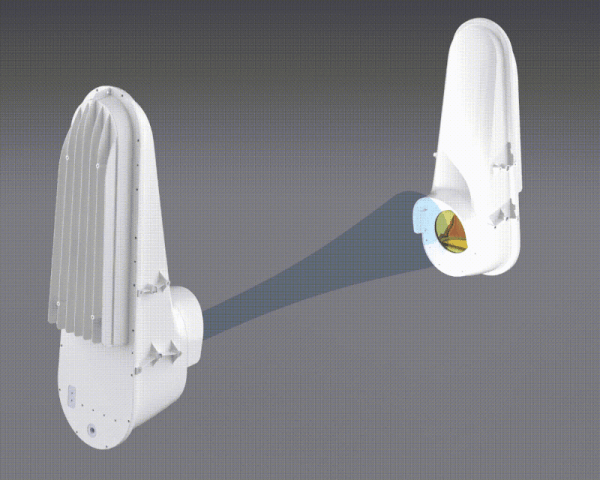
If you live in much of the world today, high-speed Internet is a solved problem. But there are still places where getting connected presents unique challenges. Alphabet, the company that formed from Google, details their experience piping an optical network across the Congo. The project derived from an earlier program — project Loon — that used balloons to replace traditional infrastructure.

Laying cables along the twisting and turning river raises costs significantly, so a wireless approach makes sense. Connecting Brazzaville to Kinshasa using optical techniques isn’t perfect — fog, birds, and other obstructions don’t help. They still managed to pipe 700 terabytes of data in 20 days with over 99.9% reliability.

Continue reading “Broadband Across The Congo” →

Self Balancing Robot Needs A Little Work

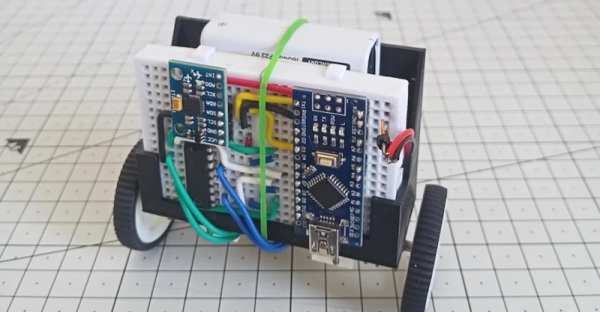
A self-balancing robot isn’t a new idea, but we liked the aesthetics of [Maker ATOM’s] build. The use of a breadboard and a printed bracket looks good, as you can see in the video, below.

Like most first-time projects, though, there were some lessons learned. The power supply needs a little work and the range of balance compliance didn’t meet expectations. But those problems are soluble and, as usual, you often learn more from working through issues like these.

Continue reading “Self Balancing Robot Needs A Little Work” →

Line Following Robot Uses PID For Speed

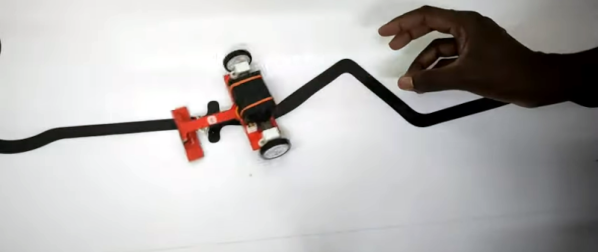
While a line-following robot may not be the newest project idea in the book, this one from [Edison Science] is a clean build using modern components and gets a good speed thanks to PID control feedback instead of the more traditional bang-bang control you see in low-end robots.

Of course, PIDs need tuning and that seems to be the weak link — you’ll have to experiment with the settings. The sensors also require calibration, but we bet both of those issues could be fixed pretty easily.

Continue reading “Line Following Robot Uses PID For Speed” →

A CRT Monitor Restoration

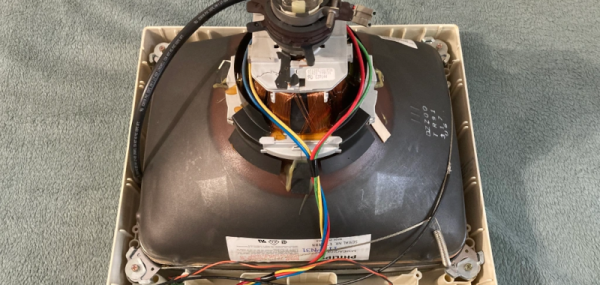
Nothing quite says vintage computer like a dedicated glass terminal. We enjoyed [Adam]’s restoration of an Acorn CRT monitor. The 14 inch display had a common problem: a defective power switch. Replacing a switch shouldn’t be a big deal, of course, but these old CRT monitors have exciting voltages inside and require special care.

One common issue, for example, is the fact that the old CRTs are really large capacitors and can hold a dangerous charge for some time. The easiest way to handle the potential problem is to make sure the device is unplugged, ground a screwdriver blade, and push the blade under the second anode cap. Most of the time, nothing happens. Once in a while, though, you’ll hear a loud pop and you just saved yourself a nasty shock.

Even though the actual repair was pretty mundane, the teardown was a great nostalgia trip and while we don’t want to give up our LCD, we do like the old glass. CRTs have a long history and came a long way before their last gasps. They even took a turn as mass storage devices.