At the University of Oxford, [Jen Chesters] conducts therapy sessions with thirty men in a randomized clinical trial to test the effects of tDCS on subjects who stutter. Men are approximately four times as likely to stutter and the sex variability of the phenomenon is not being tested. In the randomized sessions, the men and [Jen] are unaware if any current is being applied, or a decoy buzzer is used.
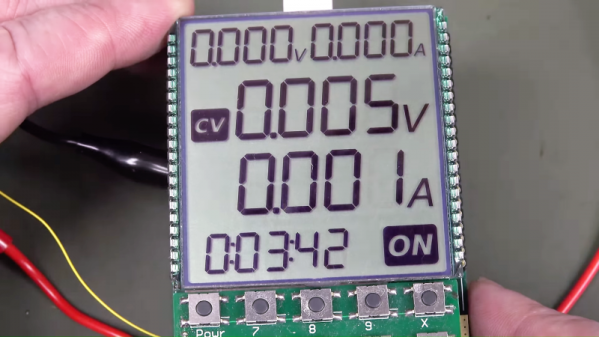
Transcranial Direct Current, tDCS, applies a small current to the brain with the intent of exciting or biasing the region below the electrode. A credit-card sized card is used to apply the current. Typically, tDCS ranges from nine to eighteen volts at two milliamps or less. The power passing through a person’s brain is roughly on par with the kind of laser pointer you should not point straight into your eyeball and is considered “safe,” with quotation marks.
A week after the therapy, conversational fluency and the ability to recite written passages shows improvement over the placebo group which does not show improvement. Six weeks after the therapy, there is still measurable improvement in the ability to read written passages, but sadly, conversational gains are lost.
Many people are on the fence about tDCS and we urge our citizen scientists to exercise all the caution you would expect when sending current through the brain. Or, just don’t do that.