Collider Prints Hollow Shells, Fills Them

3D printing is full of innovations made by small firms who’ve tweaked the same basic ideas just a little bit, but come up with radically different outcomes. Collider, a small startup based in Chattanooga TN, is producing a DLP resin printer that prints hollow molds and then fills them.
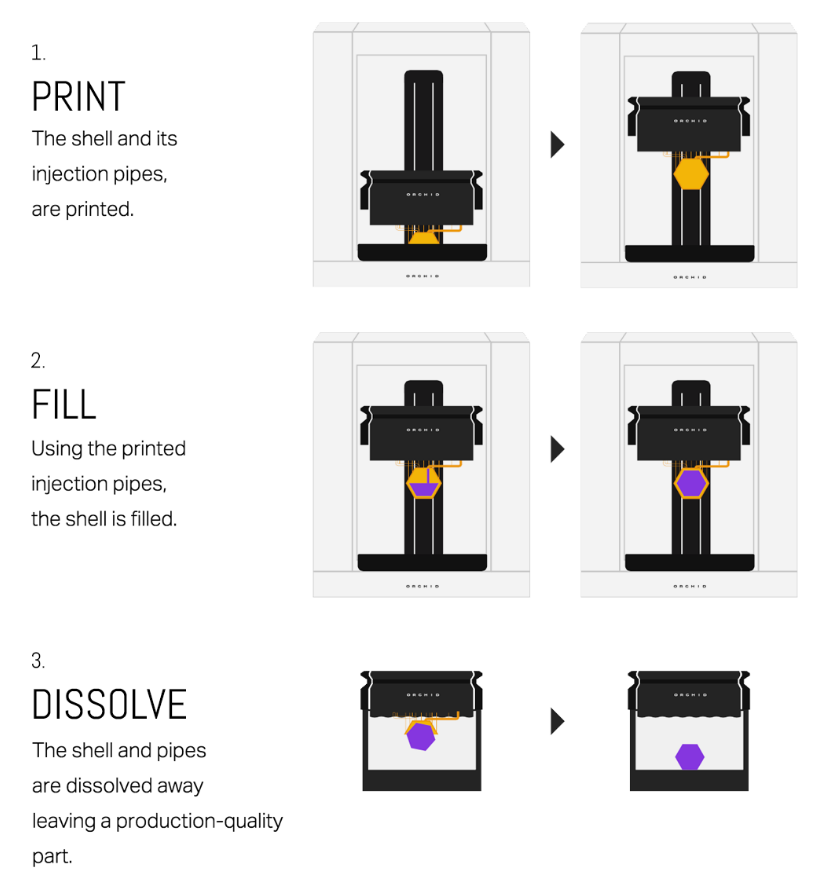
colliderThat’s really all there is to it. The Orchid machine prints a thin shell using a photocuring resin, and uses this shell as the mold for various two-part thermoset materials: think epoxies, urethanes, and silicones. The part cures and the shell is dissolved away, leaving a solid molded part with the material properties that you chose.

This is a great idea for a couple of reasons. DLP-based resin printers can have very fine features, but they’re slow as dirt when a lot of surface area needs to be cured. By making thin-walled molds, this stage can go faster. The types of UV-curing resins out there for use in resin printers is limited by the need to photo-cure, while the spectrum of two-part plastic materials is much broader. Finally, resin printers are great for printing single topologically-simple objects, and molds are essentially just vases.

Continue reading “Collider Prints Hollow Shells, Fills Them”
3D Printed Greeting Cards

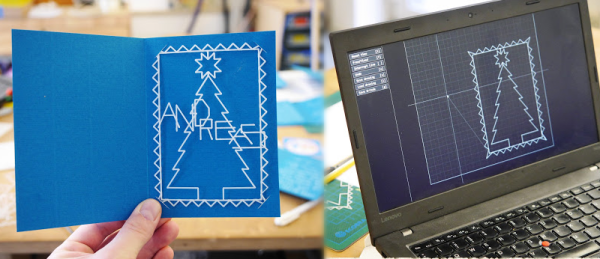
T’is the season to hack, and the maker brigade won’t disappoint — there’s no better way to crank out a few cute holiday tchotchkes than to fire up the 3D printer. [Niklas Roy] has released gDraw, a software package that creates G-code to print out 2D drawings on your 3D printer.

The interface is simple, allowing the quick and easy creation of basic vector drawings. The program then converts the paths in the drawing to a G-code representation that your printer follows to squirt them out in plastic. Think of it as the 3D printed equivalent of the “Stroke Path” tool in Photoshop.

[Niklas] chose to demonstrate the software by creating some interesting greeting cards that Big Christmas is sure to rip off next year and sell for $30 a pop. The printed plastic drawings give a fun 3D effect to the cards, and we’d love to see more examples of art created with this technique. The software was designed to work with the Ultimaker 2, but with tweaks, it should be able to generate code for other printers, too.

We’ve seen plenty of great festive hacks over the years — like this awesome laser projection setup.

Jump Into Pogo

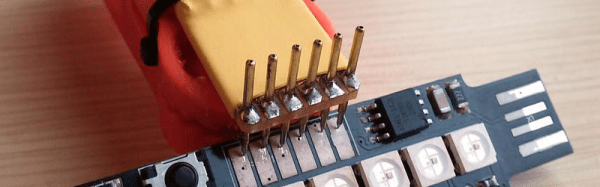
A lot of modern PCBs have small pads with no components attached. They are often used as test points, JTAG ports, or programmer connections. There’s no connector on the board, just pads. To use those, test equipment and programmers utilize pogo pins. These are small pins with a spring inside, reminiscent of a tiny pogo stick.

To use pogo pins effectively, you need a way to hold them in the right position and something to put pressure on them while they are in use. [Joshua Brooks] used a strip board to hold them in place and clothes pin to keep the pressure on them.

Continue reading “Jump Into Pogo”

The Ninja Run: A VR Movement Experiment

VR is an area that is seeing plenty of DIY experimentation, and [FultonX] has an interesting hack of sorts in that he’s discovered something that meshes well with how we perceive motion and movement. It’s an experimental movement system for VR he calls the Ninja Run, and it somewhat resembles skiing.

ninja-run-analysis-optimizedEven room-scale VR suffers from the fact that the player is more or less stuck in one place. Moving the player from one spot to another isn’t currently a gracefully solved problem, and many existing methods are not immersive or have other drawbacks. One solution in use is a sort of teleportation, another “slides” the player to another area on command (like gliding across ice). [FultonX] found these existing solutions lacking, and prototyped the Ninja Run concept which he found was surprisingly intuitive and effective. Video demo embedded below.

Continue reading “The Ninja Run: A VR Movement Experiment”

Pi Keeps Cool At 1.5 GHz

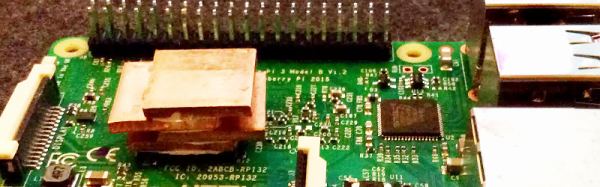
Hackers have a long history of overclocking CPUs ranging from desktop computers to Arduinos. [Jacken] wanted a little more oomph for his Pi Zero-Raspberry Pi-based media center, so he naturally wanted to boost the clock frequency. Like most overclocking though, the biggest limit is how much heat you can dump off the chip.

[Jacken] removed the normal heat sink and built a new one out of inexpensive copper shim, thermal compound, and super glue. The result isn’t very pretty, but it does let him run the Zero Pi at 1.5 GHz reliably. The heat sink is very low profile and doesn’t interfere with plugging other things into the board. Naturally, your results may vary on clock frequency and stability.

Continue reading “Pi Keeps Cool At 1.5 GHz”

Softer Side Of Robots Is Future Of Space

What will next generation space suits look like? Kari Love is making the case that new space suits will exhibit the best in soft robot technology. The problem is that most people don’t really understand much about soft robots, or about space for that matter. Her talk at the Hackaday SuperConference explores the research she has been doing into future generations of space suits. Check out the video below and then join us after the break for more on this topic.

Continue reading “Softer Side Of Robots Is Future Of Space”

Extra Curricular Tour Of NASA’s Jet Propulsion Laboratory

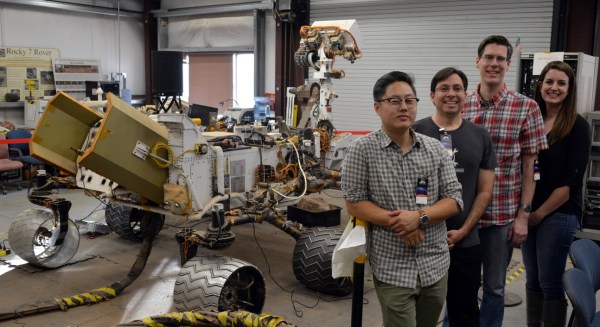
Last week, Hackaday had the chance to tour NASA’s Jet Propulsion Laboratory (JPL) in Pasadena, California. Tours are given all the time at JPL, but ours was special. Steve Collins invited us, and acted as our tour guide, and a new friendship with Michelle Easter got us a look inside the labs where equipment for the 2020 Mars mission is being built.

Continue reading “Extra Curricular Tour Of NASA’s Jet Propulsion Laboratory”