Hacker Conference Videos


Almost every security conference we’ve attended in the last year has uploaded videos from their speaker tracks. Explore the archives below, and you’re bound to find an interesting talk.

[thanks, Dan]
[photo: ario_j]

Openmoko FreeRunner Now Available

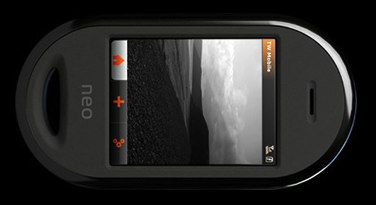
Openmoko began selling Neo 1973 phones direct to developers last July. The phone is an open source project designed to ease development on mobile platforms. The Neo 1973 has since sold out, but a new Linux phone intended for the mass market has been released, the FreeRunner for ~$399. The screen is 640×480 with 3D acceleration and a 500MHz Samsung processor. The new phone has WiFi and 2.5G GSM support. It has some truly unique features like USB host mode support. You can find the differences between the two phones here. This new phone release should help strengthen the community since average users were discouraged from purchasing the original. Pictures of the phone’s internals and a component diagram can be found on the Openmoko wiki. We wish more manufacturers would explicitly tell us how to get console access.

[via Slashdot]

Tom’s RGB Mood Lamp


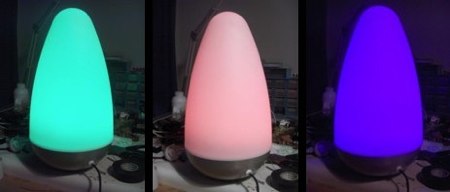
[Tom] has been refining a board that drives a high power RGB LED for applications like this moodlight. It’s based around an ATmega8 microcontroller. The goal was to make an RGB LED easy to work with: It can cycle between colors in standalone mode. You can control it via a serial interface. It also has a pin header to hooking up three potentiometers for manual color mixing. Boards aren’t available yet, but he’s already posted a build tutorial. The board looks straightforward enough that it shouldn’t be too hard to layout if you really want to.

Ubuntu Released For MIDs


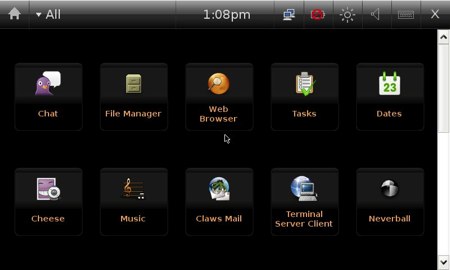
Ubuntu MID edition has been released for handheld Mobile Internet Devices. It’s targeting devices based on Intel’s A100/110 and the new Centrino Atom platforms. Successors to the UMPC, MIDs are usually small formfactor and have a touchscreen, plus a physical keyboard. UMPC portal has a examples of devices that are currently supported by this release, inluding plamtops like the Kohjinsha SH6. This release is only for x86 devices, so don’t expect it to be ported to the ARM based Nokia N800/810. The user interface is based on the Hildon framework and we’re glad people are attempting to think beyond a standard UI. We hope they plan on punching up the use of the color brown in the final though; it just wouldn’t be an Ubuntu release without it.

[via Linux Devices]

Charter Abandons Packet Monitoring Advertising Plan


Charter Communications has announced that it will no longer be attempting to target advertising based on user actions. The original strategy would have involved inspecting the contents of every packet sent or received by the customer. This usage pattern is associated with a specific IP and relevant ads are displayed on sites using NebuAd when that IP visits. NebuAd doesn’t directly share the IP, but we’ve seen in the past, even with obfuscation, a user’s search patterns alone have been known to give away their identity. The majority of all internet traffic is plaintext, but endusers have an expectation of privacy. User backlash is what eventually caused Charter to back down, but that doesn’t mean companies like NebuAd are going to be any less common.

[via EFF]
[photo: mattdork]

Wireless Arcade Stick


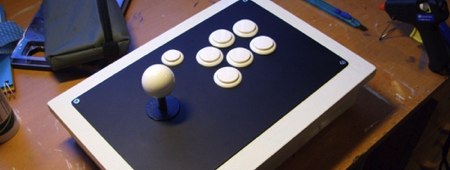
[astralpancakes] wireless arcade stick project looks like a great place to start if you want a simple project. Well constructed arcade sticks can cost $100+, but with all the MAME cabinet builders, the parts have become easy to acquire. The stick has a rigid wooden case with a metal faceplate. All of the component connections are soldered to the pads of a Logitech wireless controller. [astralpancakes] built this specifically to play Street Fighter III: 3rd Strike.

IPhone 2.0 Adds Secure Wipe


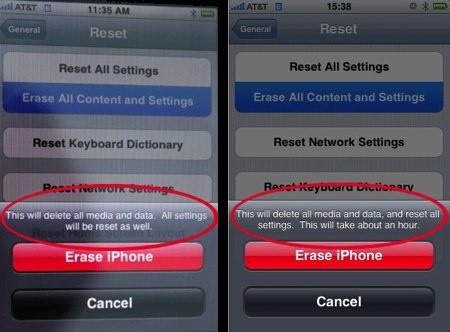
AppleInsider is reporting that iPhone Software v2.0 will add a secure wipe feature. The screenshot above shows the text “This will take about an hour.” added to the normal erase feature. This time is used to overwrite data to the disk multiple times. The need for secure phone erasure came to light after a researcher was able to recover personal information from a refurbished iPhone using forensic tools. Since then, a few people have published techniques for obliterating personal data using either the GUI or the more thorough command line method. Remote wipe has also been added to the new firmware in case the phone is stolen. We’re happy to see security being made easily accessible to nontechnical users and expect that remote wipe will become standard on laptops in the future.