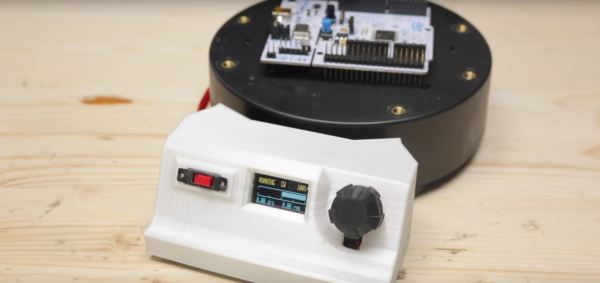
Your job is to create a random number generator.
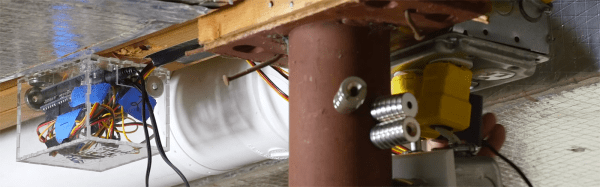
Your device starts with a speaker and a membrane. On this membrane will sit a handful of small, marble-size copper balls. An audio source feeds the speaker and causes the balls to bounce to and fro. If a ball bounces high enough, it will gain the opportunity to travel down one of seven copper tubes. Optical sensors in each of the tubes detect the ball and feed data to an Ardunio Mega. When the ball reaches the end of the tube, a robotic hand will take the ball and put it back on the speaker membrane. The magic happens when we write an algorithm such that the audio output for the speaker is a function of how many balls fall down the pipes.
The above is a rough description of [::vtol::]’s art piece: kinetic random number generator. We’re pretty sure that there are easier ways to get some non-determinstic bits, but there may be none more fun to watch.
[::vtol::] is a frequent flyer here on Hackaday Airlines. Where else would you showcase your 8-bit Game Boy Photo Gun or your brainwave-activated ferrofluid monster bath? Would it shock you to find out that we’ve even covered another kinetic random number generator of his? Fun stuff!
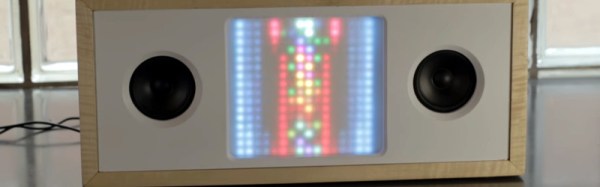
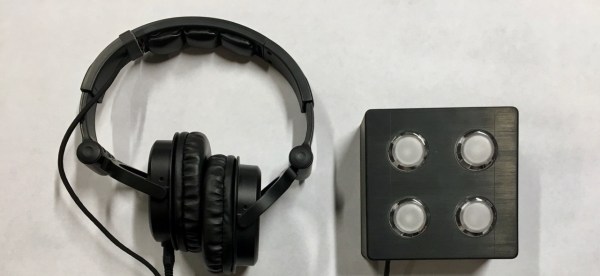
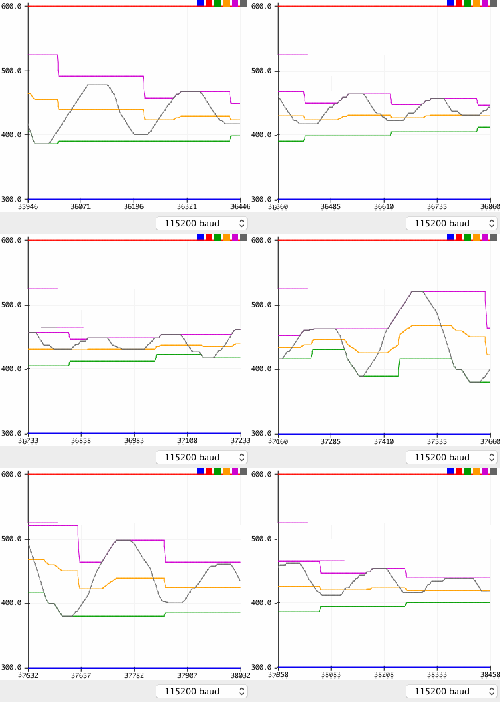 class. In about 60 days time; he went from dinner napkin sketch to working project. The project is quite interesting – he’s made an instrument that