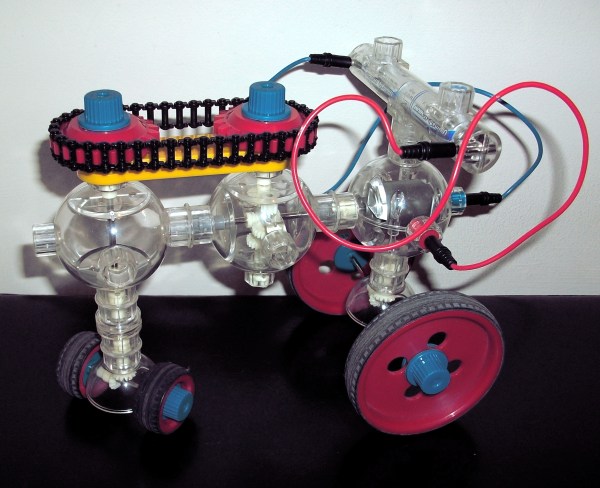
In the magical 80s, there was a building set that stood apart from the rest. Capsela, originally created by Mitzubishi Pencil Company (the Uniball folks) looked like a series of clear plastic spheres with gears and motors inside. The signature Capsela modules served as both enclosure and functional component. The set came with a variety of gear options like planetary gear, worm gear, and clutch capsules. You could use chain drives and propellers. A lot of the parts were water-resistant, and part of the toy’s shtik was that you could make boats out of it with pontoons keeping most of the robot out of the water.
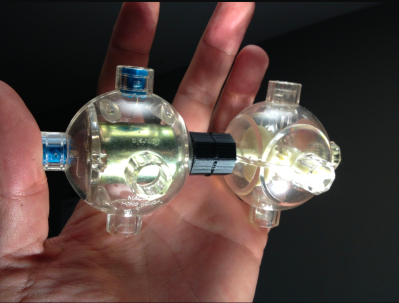
Capsela’s sets were relatively simple, with only DC motors to make things move. However, as the product found success, the company built increasingly larger and more complicated sets with greater capabilities. For instance, in ’87 they released the Robotic Workshop that included an IR remote that could be configured with a Commodore 64. Later on the Capsela Voice Command 6000 was released, featuring a microcontroller that could understand 8 verbal commands as well as interpret IR signals within 25 feet.
I never got any of those fancy sets, but I still found a lot to do with the basic set my parents bought me for Christmas. The unique architecture of the set was both boon and bane–it certainly was a striking set, in terms of its appearance. However, there were only so many ways you could those spheres together. Also, if you weren’t making a boat the pontoons were fairly useless, with the most clever solution being to use one as a wheel substitute.
The thing that really did it for me, other than hacking out reconfigurable boats in my bathtub, was being able to see everything. All the gearboxes could be seen though the clear plastic. How many nerds learned about mechanical engineering by peering through Capsela spheres?
As with all things, Capsela had its peak and faded away. The product was licensed to a number of new manufacturers, but never found the same success. They tried focusing on the educational market but no dice.
Nevertheless, the product has retained a degree of nostalgia for those of us who outgrew it. A few years ago, software developer [José Romaniello] described how the toy set him on a path toward being an engineer. He started a Hacker News thread that engaged a bunch of fans in a nerdfest about how great the toy was and how one might 3D print new pieces. Not much was done in the 3DP world that I have seen, other than re-creating Capsela’s hex connectors and that sort of thing.
It’s Baaaaack….
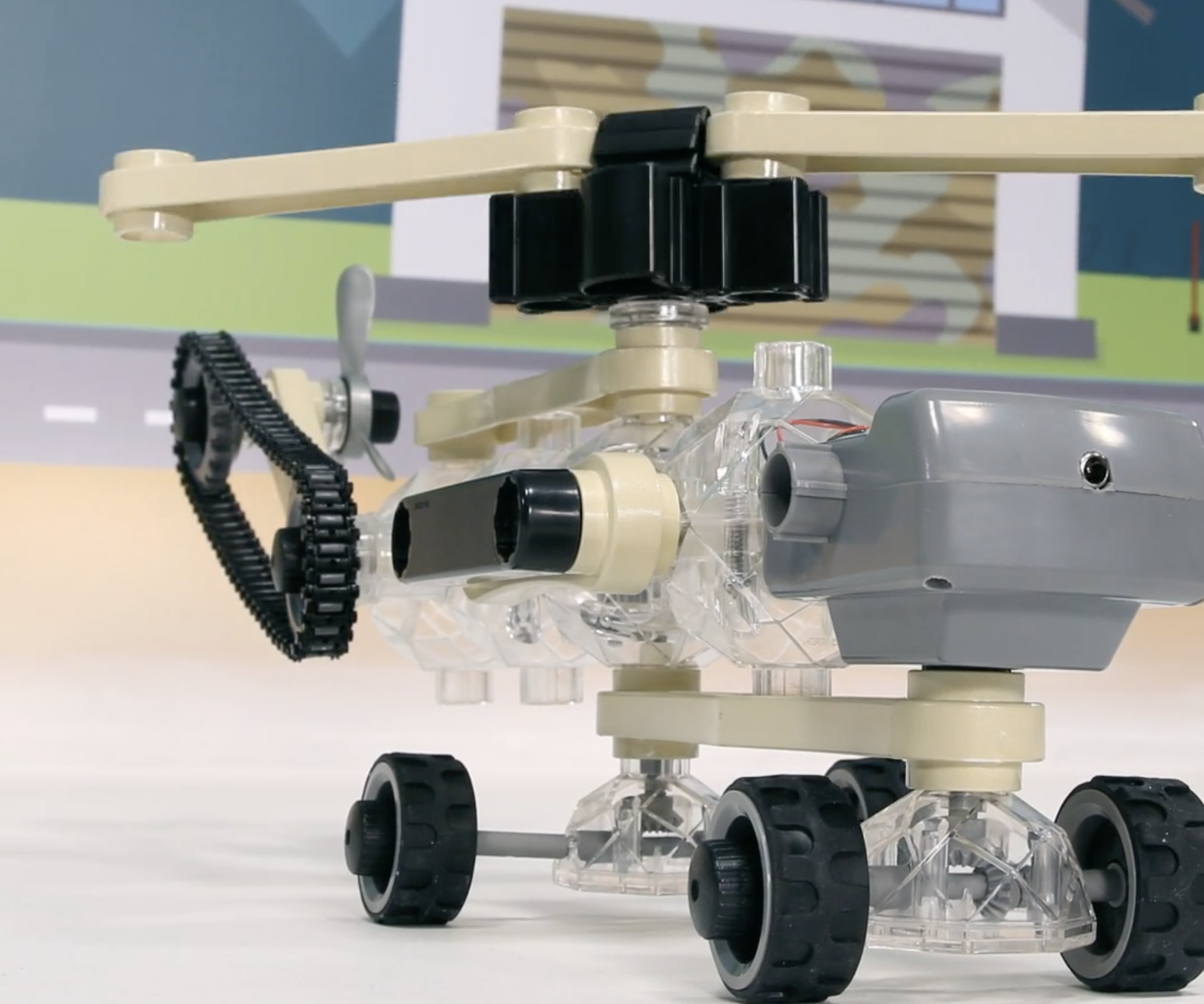 “If they can remake Beauty and the Beast they can bring back Capsela”, is how I’m assuming the thought process went. Sure enough, a company emerged with a redesigned version of the set, available over the internet and in brick and mortar stores. Put out by a shell company called the Unitrust Development Company, the product has been renamed IQ Key.
The new kits seem very similar to those classic sets from the 80s, other than superficial changes in the product’s appearance — the faceted geography of the pontoons and capsules suggest a refreshed product — it looks pretty much the same. The battery pack (slash switch) has also been redesigned, and looks like it may have an IR receiver built in. The company has also redesigned those hexagonal connectors and now they are circular and bayonet into place.
Is it the same old Capsela we knew and loved? Maybe, maybe not, but there’s only one way to find out: to hack the hell out of it!
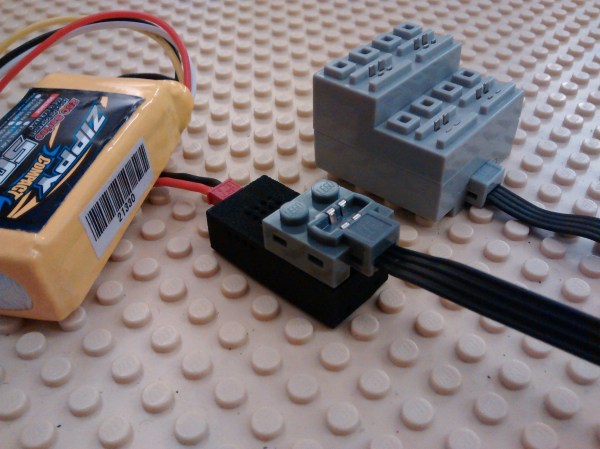
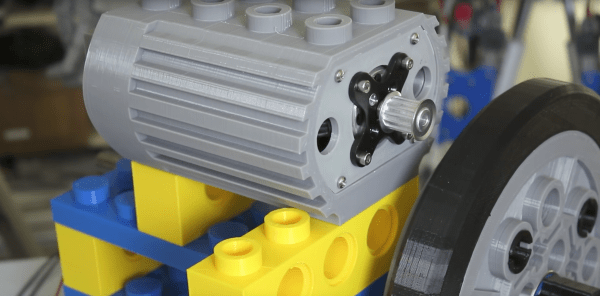
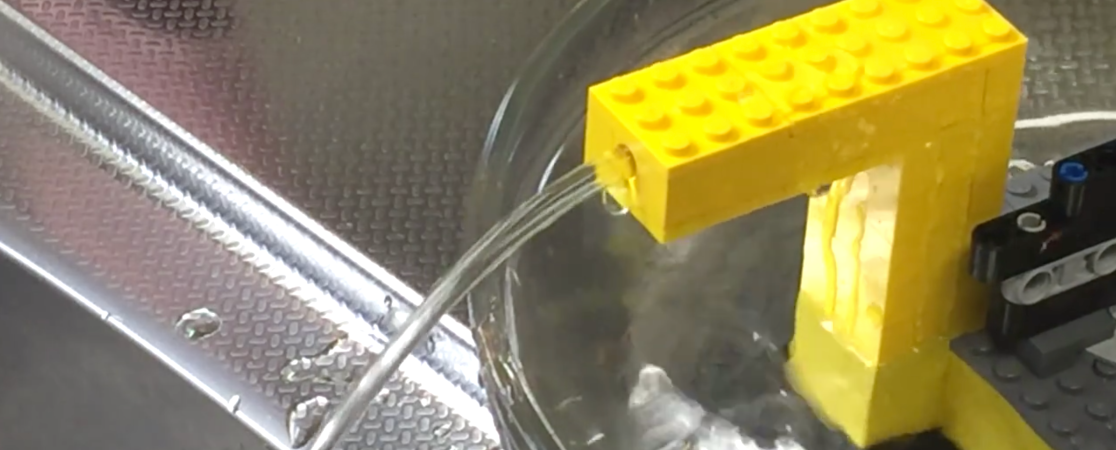
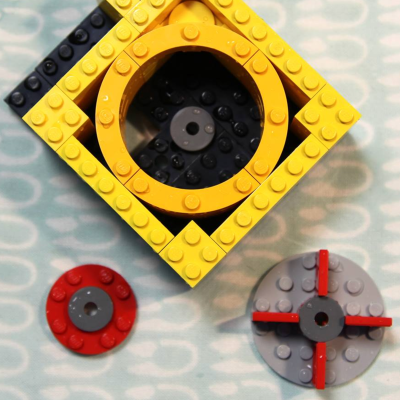 A Power Functions motor turns a 6×6 round plate that appears to have 1×2 smooth plates jammed between the studs, and secured with a 4×4 round plate on the other end. He geared up the motor so the assembly is spun very quickly, with those smooth plates forcing the water through a Technic mounting hole in one of the bricks.