What The FDA’s 2026 Wellness Device Update Means For Wearables

With more and more sensors being crammed into the consumer devices that many of us wear every day, the question of where medical devices begin and end, and how they should be regulated become ever more pertinent. When a ‘watch’ no longer just shows the time, but can keep track of a dozen vital measurements, and the line between ‘earbud’ and ‘hearing aid’ is a rather fuzzy one, this necessitates that institutions like the US FDA update their medical device rules, as was done recently in its 2026 update.

This determines how exactly these devices are regulated, and in how far their data can be used for medical purposes. An important clarification made in the 2026 update is the distinction between ‘medical information’ and ‘signals/patterns’. Meaning that while a non-calibrated fitness tracker or smart watch does not provide medically valid information, it can be used to detect patterns and events that warrant a closer look, such as indications of arrhythmia or low blood oxygen saturation.

As detailed in the IEEE Spectrum article, these consumer devices are thus  ‘general wellness’ devices, and should be marketed as such, without embellished claims. Least of all should they be sold as devices that can provide medical information.

Continue reading “What The FDA’s 2026 Wellness Device Update Means For Wearables”
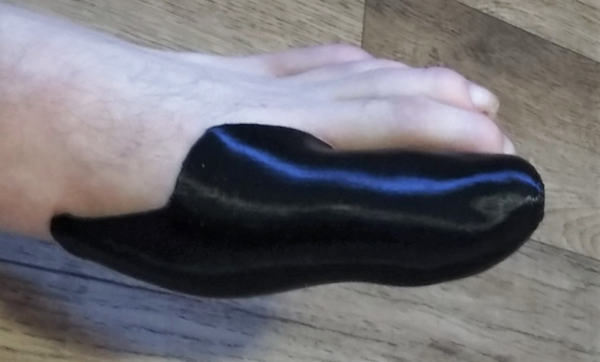
3D Printed Splint Goes Toe To Toe With Medical Grade Equipment

When you think of medical devices, the idea of high end, well, pretty much everything, comes to mind. This is definitely the case when it comes to prosthetics, or in this similar case, custom fit splints. A hacker by the name of [sammyizimmy] wasn’t put off by the complexity of a custom splint for his fractured big toe, and a great hack made it all possible.

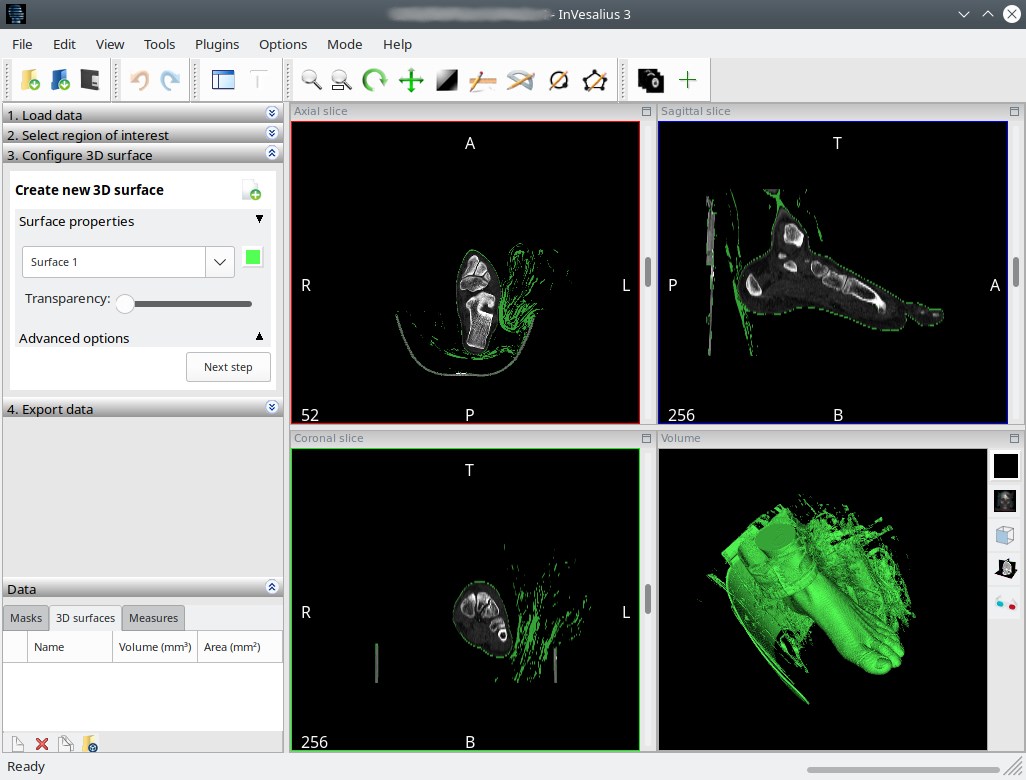
InVesalius reconstructs the CT Scan imagery

The story starts with a fractured toe, and an open source project called InVesalius. Instead of doing an X-Ray on his toe, [sammyizimmy]’s doctor decided to do a Computed Tomography scan (aka CT Scan) to get a look at the damage. For being as ubiquitous as they are, it’s easy to forget that a CT scan is an extremely detailed look at both internal and external parts.

The hack really began when [sammyizimmy] asked his radiologist for a copy of the CT Scan. This is something most radiologists will provide upon request, although many people don’t know you can even ask. [sammyizimmy] took his CT scan and opened it up in InVesalius, and then reconstructed the skin layer only, and then… head over to the “3d printed Toe Splint” page at Hackaday.io for the rest!

If medical hacks are are your kind of medicine, you might appreciate this HDD-Turned-Centrifuge too!

CPAP Firmware Hack Enables BiPAP Mode; Envisions Use As Temporary Ventilator

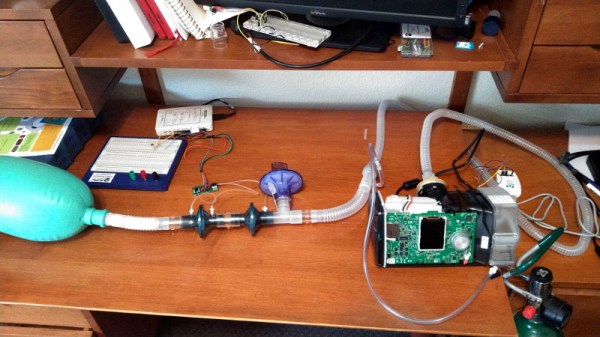
Operating under the idea that a Constant Positive Airway Pressure (CPAP) machine isn’t very far removed electrically or mechanically from a proper ventilator, [Trammell Hudson] has performed some fascinating research into how these widely available machines could be used as life support devices in an emergency situation. While the documentation makes it clear the project is a proof of concept and is absolutely not intended for human use in its current state, the findings so far are certainly very promising.

For the purposes of this research, [Trammell] has focused on the Airsense S10 which currently retails for around $600 USD. Normally the machine is used to treat sleep apnea and other disorders by providing a constant pressure on the lungs, but as this project shows, it’s also possible for the S10 to function in what’s known as Bi-level Positive Airway Pressure (BiPAP) mode. Essentially this means that the machine detects when the user is attempting to inhale, and increases the air pressure to support their natural breathing.

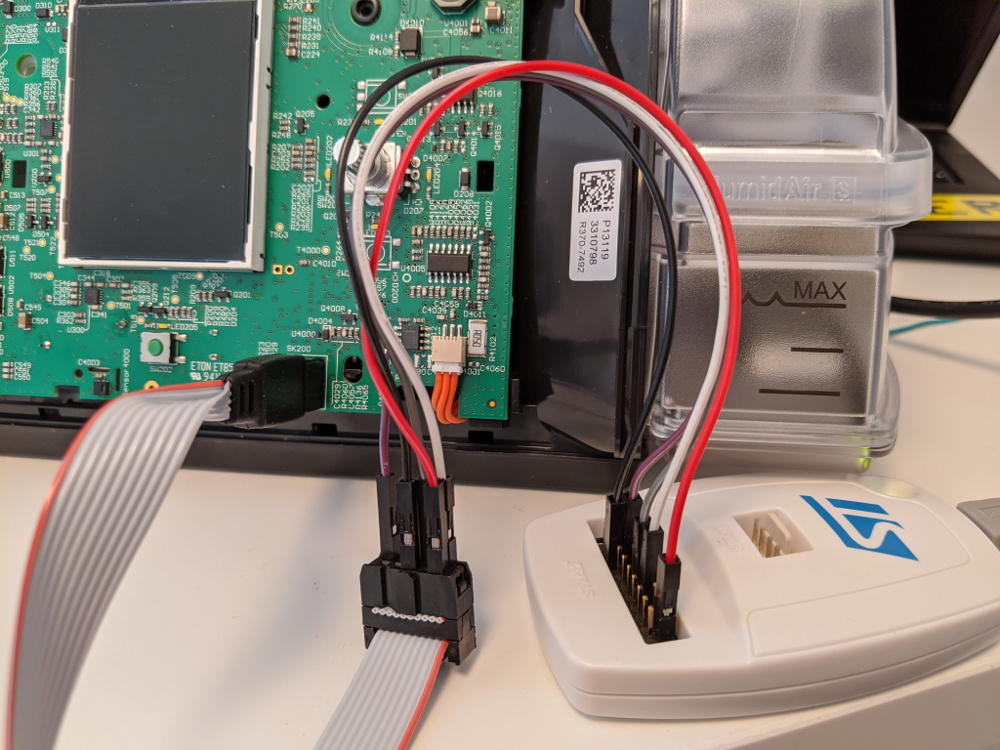
Reflashing the firmware on the S10 CPAP

Critically, this change is made entirely through modifications to the S10 firmware. No additional hardware is required, and outside of opening up the device to attach an STM32 programmer (a process which [Trammell] has carefully documented), there’s nothing mechanically that needs to be done to the machine for it to operate in this breathing support function. It seems at least some of the functionality was already included via hidden diagnostic menus which can be enabled through a firmware patch.

As many of these CPAP machines feature cellular data connections for monitoring and over-the-air updates, [Trammell] believes it should be possible for manufacturers to push out a similarly modified firmware on supported devices. Of course, the FDA would have to approve of something like that before the machines could actually be used as emergency, non-invasive ventilators. They would also need to have viral filters installed and some facility for remote control added, but those would be relatively minor modifications.

Learn more about the efforts being put into ventilators right now. Start with this excellent hardware overview called Ventilators 101 and then take a look at some of the issues with trying to build a ventilator from scratch.

Ventilators 101: What They Do And How They Work

Treating the most serious cases of COVID-19 calls for the use of ventilators. We’ve all heard this, and also that there is a shortage of these devices. But there is not one single type of ventilator, and that type of machine is not the only option when it comes to assisted breathing being used in treatment. Information is power and having better grasp on this topic will help us all better understand the situation.

We recently wrote about a Facebook group focused on open source ventilators and other technology that could assist in the COVID-19 pandemic. There was an outpouring of support, and while the community is great when it comes to building things, it’s clear we all need more information about the problems doctors are currently dealing with, and how existing equipment was designed to address them.

It’s a long and complicated topic, though, so go get what’s left of your quarantine snacks and let’s dig in.

Continue reading “Ventilators 101: What They Do And How They Work”

Prusa Advises On Printed Medical Devices, Releases Face Shield

Like everyone else, hackers and makers want to do something to help control the spread of COVID-19. The recent posts on Hackaday dealing with DIY and open source approaches to respirators, ventilators, and masks have been some of the most widely read and commented on in recent memory. But it’s important to remember that the majority of us aren’t medical professionals, and that even the most well-meaning efforts can end up making things worse if they aren’t done correctly.

Which is exactly what [Josef Průša] wanted to make clear about 3D printed medical equipment in his latest blog post. Like us, he’s thrilled to see all the energy the maker community is putting into brainstorming ways we can put our unique skills and capabilities to use during this global pandemic, but he also urged caution. Printing out an untested design in a material that was never intended for this sort of application could end up being more dangerous than doing nothing at all.

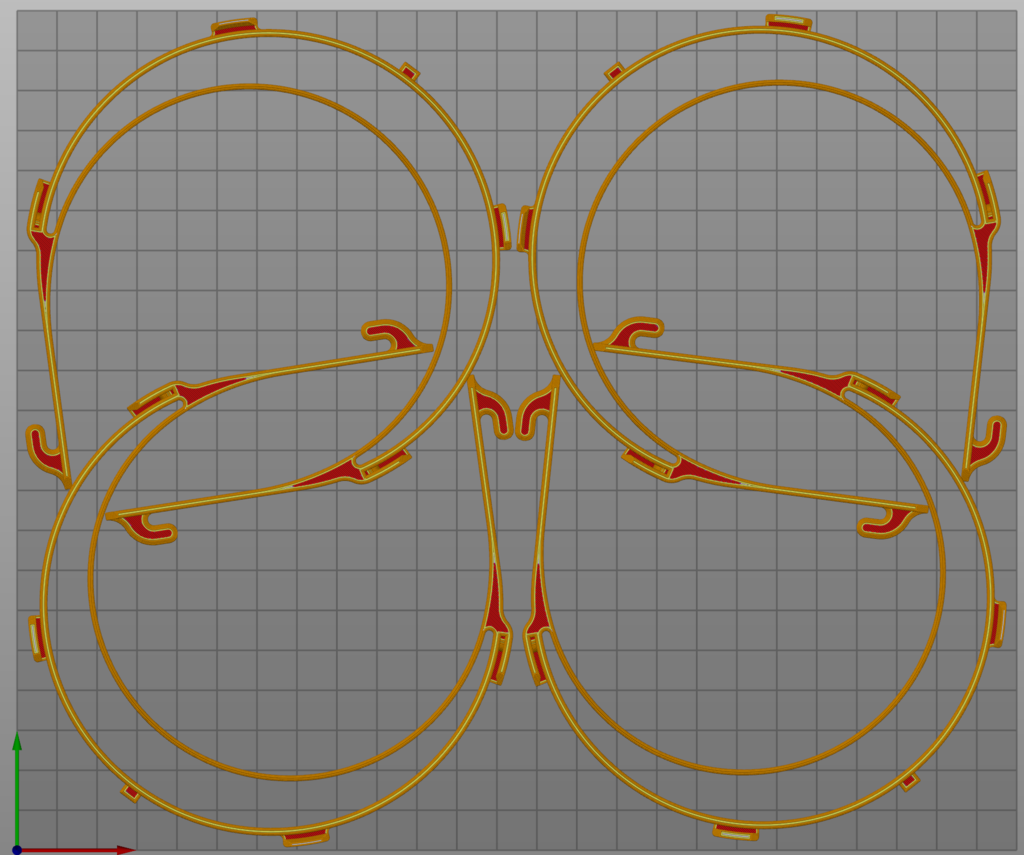
The nested design lends itself to mass production.

To say that he and his team are authorities in the realm of fused deposition modeling (FDM) would be something of an understatement. They know better than most what the technology is and is not capable of, and they’re of the opinion that using printed parts in respirators and other breathing devices isn’t viable until more research and testing is done

For example, how can we ensure the porous plastic parts are sterilized and not just serving as a breeding ground for bacteria? It’s hardly a new concern; the debate about printed objects in food contact applications has been going on for years.

The safest option is to only use printed parts for structural components that don’t need to be sterile. To that end, [Josef] used the post to announce a newly published design of a printable face shield for medical professionals. Starting with an existing open source design, the Prusa Research team used their experience to optimize the headband for faster and easier printing. They can produce four headbands at once on each of the printers in their farm, which will allow them to make as many as 800 shields per day without impacting their normal business operations. The bottleneck on production is actually how quickly they can cut out the clear visors with their in-house laser, not the time it takes to print the frames.

It’s easy to get excited when success stories featuring 3D printed medical devices are in the news, but that doesn’t mean you should be cranking out lifesaving devices with that roll of bargain PLA you’ve had sitting around the shop. As difficult as it may be for some of us to admit, the safest thing might be to let our spare CPU cycles do battle with COVID-19 instead.

Continue reading “Prusa Advises On Printed Medical Devices, Releases Face Shield”

Glia Is Making Open Medical Devices, And You Can Help

The Glia project aims to create a suite of free and open-source medical equipment that can be assembled cheaply and easily when and where it’s needed. Even essential tools like stethoscopes and tourniquets can be difficult to acquire in certain parts of the world, especially during times of war or civil unrest. But armed with a 3D printer and the team’s open-source designs, an ad-hoc factory can start producing these lifesaving tools anywhere on the planet.

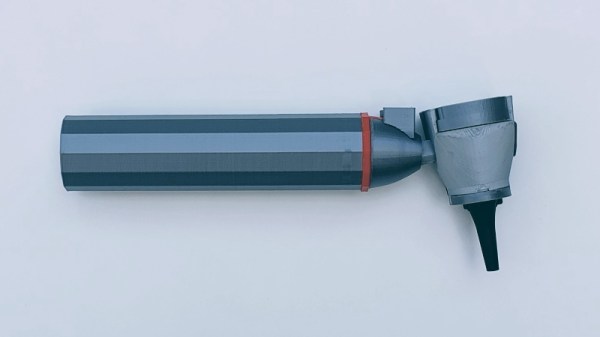
Glia member [Tarek Loubani] has recently written a blog post discussing the team’s latest release: an otoscope that can be built for as little as $5. Even if you don’t recognize the name, you’ve almost certainly seen one of them in use. The otoscope is used to look inside the ear and can be invaluable in diagnosing illnesses, especially in children. Unfortunately, while this iconic piece of equipment is quite simple on a technical level, professional-quality versions can cost hundreds of dollars.

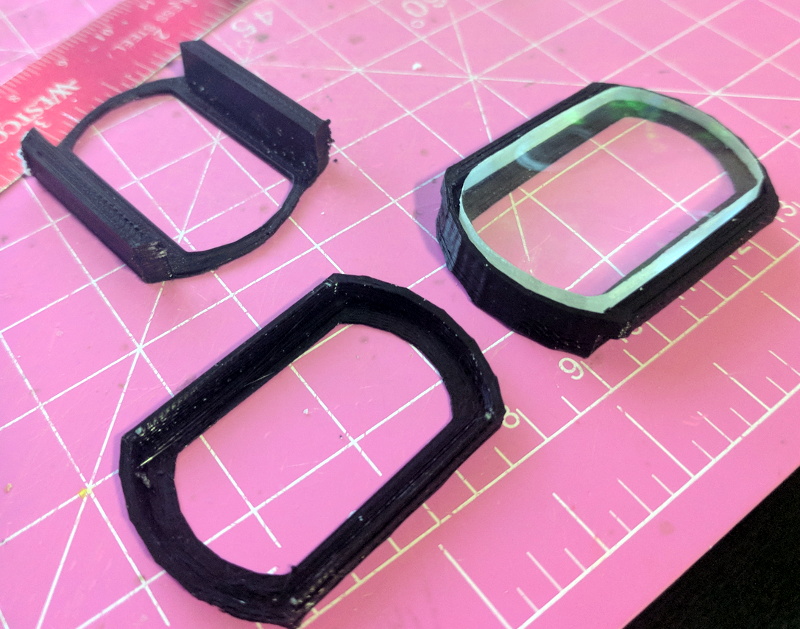
Now to be fair, you’ll need quite a bit more than just the 3D printed parts to assemble the device. The final product requires some electrical components such as a battery holder, rocker switch, and LED. It also requires a custom lens, though the Glia team has thought ahead here and provided the files for printable jigs that will allow you to cut a larger lens down to the size required by their otoscope. In a situation where you might have to improvise with what you have, that’s a very clever design element.

So far the team is very happy with how the otoscope performs, but they’ve run into a bit of a logistical snag. It turns out that early work on the project was done in the web-based TinkerCAD, which isn’t quite in line with the team’s goals of keeping everything free and open. They’d like some assistance in recreating the STLs in FreeCAD or OpenSCAD so they’re easier to modify down the road. So if you’re a FOSS CAD master and want to earn some positive karma, head over to the GitHub page for the project and put those skills to use.

We’ve previously covered Glia’s work with 3D printed tourniquets to treat gunshot wounds, a project that led to [Tarek] himself being shot by a sniper while attempting to field test the design in Gaza. If that’s not commitment to the principles of open-source hardware, we don’t know what is.

Continue reading “Glia Is Making Open Medical Devices, And You Can Help”

Meet Tympan, The Open Hardware Hearing Aid

If you’re the kind of person who’s serious about using open source software and hardware, relying on a medical device like a pacemaker or an insulin pump can be a particular insult. You wouldn’t trust the technology with your email, and yet you’re forced to put your life into the hands of a device you can’t examine yourself. Unfortunately we don’t (yet) have any news to report on open source pacemakers, but at least now there’s an open software and hardware hearing aid for those who need it.

The Tympan project aims to develop a fully open source hearing aid that you can not only build yourself, but expand and modify to fit your exact specifications. Ever wanted to write code for your hearing aid with the Arduino IDE? No problem. You want Bluetooth, I2C, and SPI? You got it. In truth we’re not sure what this kind of technology makes possible just yet, but the point is that now those who want to hack their hearing aids have a choice in the matter. We have no doubt the community will come up with incredible applications that we can’t even begin to imagine.

But these open hearing aids aren’t just hackable, they’re affordable. Traditional hearing aids can cost thousands of dollars, but you can buy the Tympan right now for $250. You don’t even need to check with your health insurance first. Such a huge reduction in price means there’s a market for these outside the hardware hacking crowd, and yet another example of how open source can put cutting edge technology into the hands of those who would otherwise have to go without.

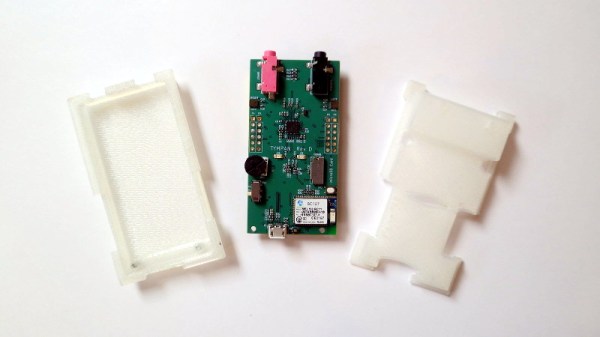
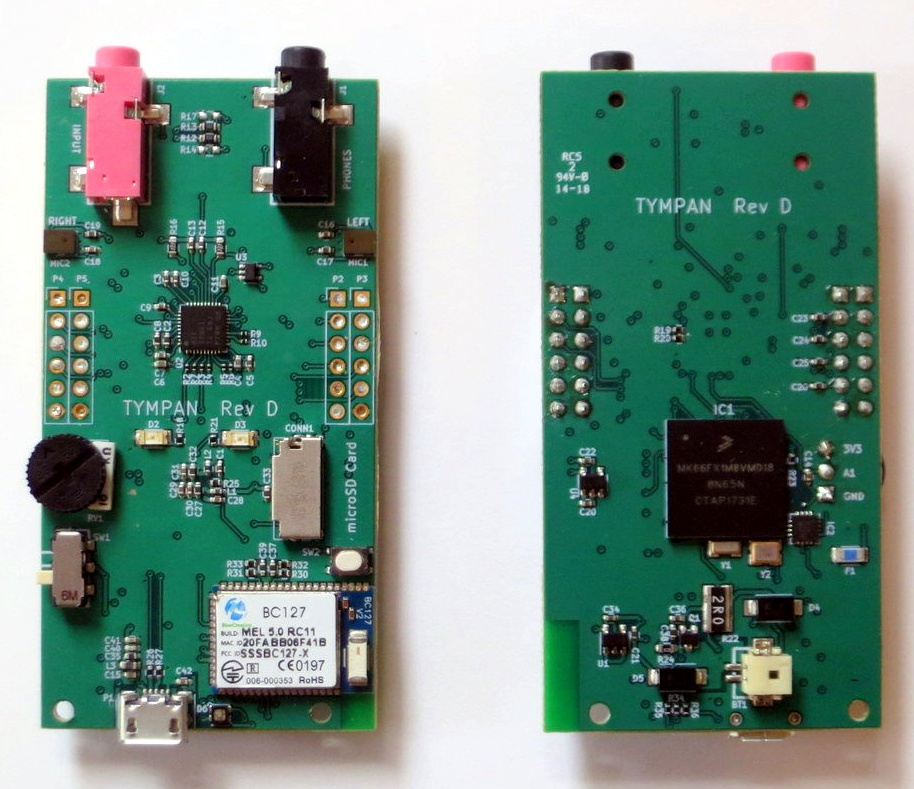
The latest version of the Tympan hardware, revision D, is powered by the Teensy 3.6 and features a Sierra Wireless BC127 Bluetooth radio, dual MEMS microphones, and even a microSD slot for recording audio or logging data. It might be a bit bigger than the traditional hearing aids you’re used to seeing, but with an external microphone and headphone setup, the wearer could simply keep it in their pocket.

We’ve seen DIY hearing aids before, but unless you’re willing to carry a breadboard around with you, they’ve generally been limited to proof of concept sort of builds. We’re glad to see a mature project like Tympan join the growing movement for open source medical hardware; it’s a another big step forward towards democratizing these critical pieces of technology.