Reinforcement learning has been a hot-button area of research into artificial intelligence. This is a method where software agents make decisions and refine these over time based on analyzing resulting outcomes. [Kamil Rocki] had been exploring this field, but needed some more powerful tools. As it turned out, a cluster of emulated Game Boys running at a billion FPS was just the ticket.
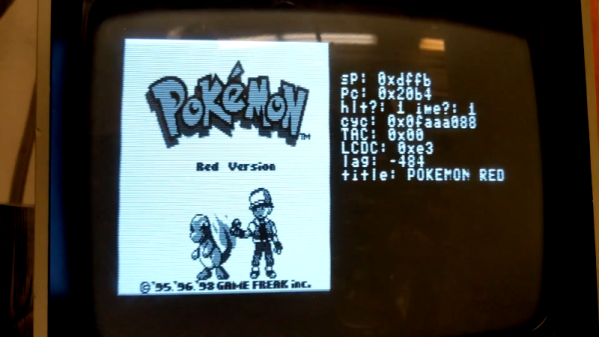
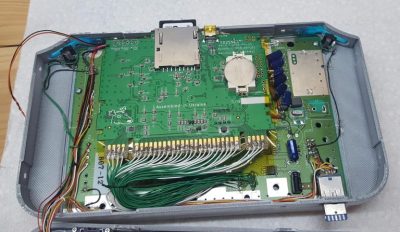
The trick to efficient development of reinforcement learning systems is to be able to run things quickly. If it takes an AI one thousand attempts to clear level 1 of Super Mario Bros., you’d better hope you’re not running that in real time. [Kamil] started by coding a Game Boy emulator in C. By then implementing it in Verilog, [Kamil] was able to create a cluster of emulated Game Boys that enabled games to be run at breakneck speed, greatly speeding the training and development process.
[Kamil] goes into detail about how the work came to revolve around the Game Boy platform. After initial work with the Atari 2600, which is somewhat of a defacto standard in RL circles, [Kamil] began to explore further. It was desired to have an environment with a well-documented CPU, a simple display to cut down on the preprocessing required, and a wide selection of games.
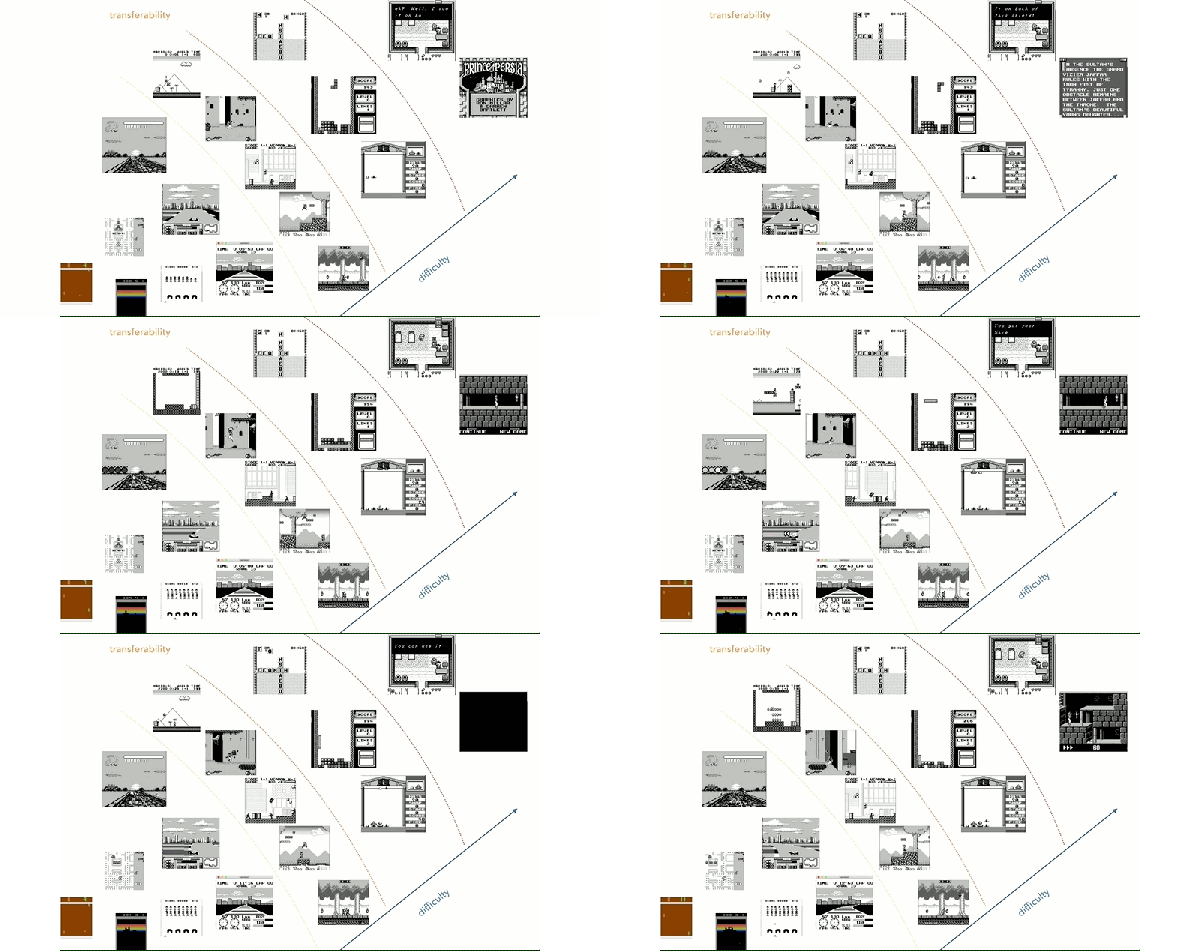
The goal of the project is to allow [Kamil] to explore the transfer of knowledge from one game to another in RL systems. The aim is to determine whether for an AI, skills at Metroid can help in Prince of Persia, for example. This is arguably true for human players, but it remains to be seen if this can be carried over for RL systems.
It’s rather advanced work, on both a hardware emulation level and in terms of AI research. Similar work has been done, training a computer to play Super Mario through monitoring score and world values. We can’t wait to see where this research leads in years to come.