
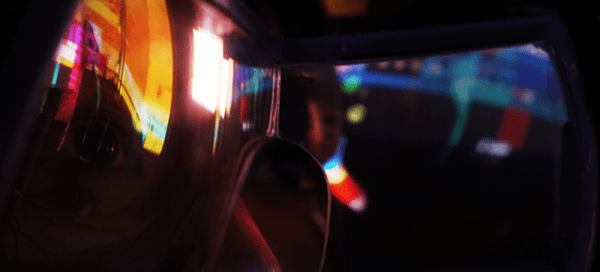
It’s been more than a year since we first heard about Leap Motion’s new, Open Source augmented reality headset. The first time around, we were surprised: the headset featured dual 1600×1440 LCDs, 120 Hz refresh rate, 100 degree FOV, and the entire thing would cost under $100 (in volume), with everything, from firmware to mechanical design released under Open licenses. Needless to say, that’s easier said than done. Now it seems Leap Motion is releasing files for various components and a full-scale release might be coming sooner than we think.
Leap Motion first made a name for themselves with the Leap Motion sensor, a sort of mini-Kinect that only worked with hands and arms. Yes, we’re perfectly aware that sounds dumb, but the results were impressive: everything turned into a touchscreen display, you could draw with your fingers, and control robots with your hands. If you mount one of these sensors to your forehead, and reflect a few phone screens onto your retinas, you have the makings of a stereoscopic AR headset that tracks the movement of your hands. This is an over-simplified description, but conceptually, that’s what Project North Star is.
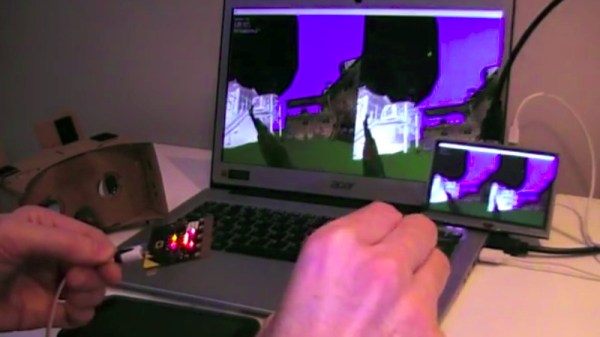
The files released now include STLs of parts that can be 3D printed on any filament printer, files for the electronics that drive the backlight and receive video from a laptop, and even software for doing actual Augmented Reality stuff in Unity. It’s not a complete project ready for prime time, but it’s a far cry from the simple spec sheet full of promises we saw in the middle of last year.
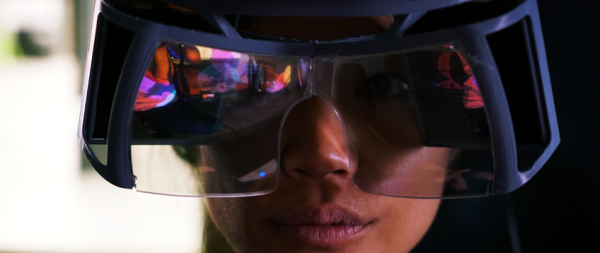
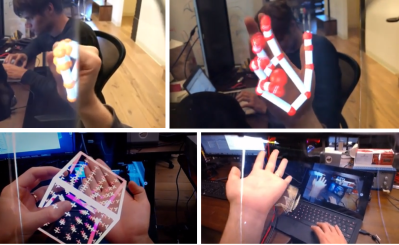 Now that we’ve got you excited, let’s mention what the North Star is not — it’s not a consumer device. Leap Motion’s idea here was to create a platform for developing Augmented Reality experiences — the user interface and interaction aspects. To that end, they built the best head-mounted display they could on a budget. The company started with standard 5.5″ cell phone displays, which made for an incredibly high resolution but low framerate (50 Hz) device. It was also large and completely unpractical.








