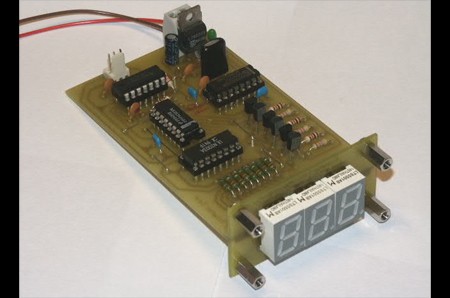
3-digit Frequency Meter


Flow sensors are useful tools for collecting data on the rate of liquid usage, but they need a device to display the data they collect. This three digit frequency meter was designed by [Turbokeu] to do just that, converting a Swissflow SF800 flow sensor’s square wave signal (similar to fan RPM signals) into an numerical expression of liters per minute on a 3 digit LCD. Fan RPM is

[Turbokeu] provides detailed schematics of different configurations for the frequency meter as well as schematics of the layouts of the two PCBs that are used. Even if you don’t have an immediate use for a frequency meter, his clean and readable schematics are worth a look in their own right. The display is installed on front of a tower case along side a CPU speed display.

[via YourITronics]
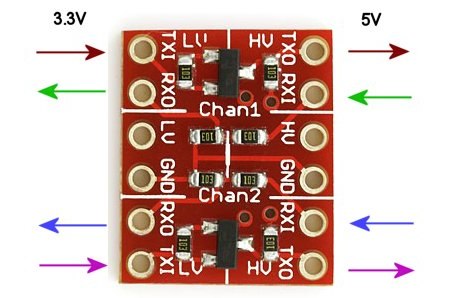
SparkFun’s Logic Level Converter


SparkFun has always been good about designing and stocking useful breakout boards. This recently added Logic Level Converter is no exception. It’s uses two BSS138 MOSFETs to shift 5V logic levels to 3.3V. The board handles two separate serial pairs. Just hook up the RX and TX on either side. Provide power at both voltages and the board will happily do the conversion. It’s $2, smaller than the size of a quarter, and perfect for plugging into a breadboard.

OpenSUSE 11.0 Reviewed


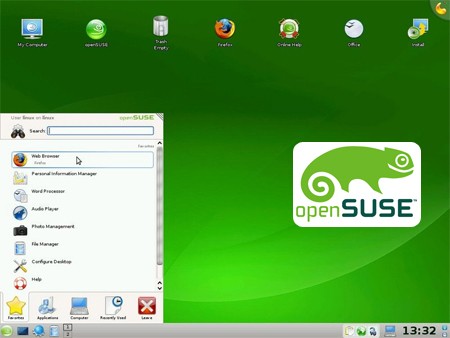
Download squad has posted a thorough review of OpenSUSE 11.0. Previous versions of the Linux distro were plagued by thorny and confusing installations, but OpenSUSE 11.0 installs much more easily and cleanly. After a few standard configuration screens, the user has several options for admin accounts, disk partitions, dual-boot setups, and more. The installation of the OS files takes about 20 minutes from there, followed by a quick reboot and first boot, making for a highly customizable yet speedy install from start to finish.

The other major problem with previous versions was the inconsistent speed of their package handling system. In 11.0, though, a new command line app called Zypper makes installing updates, patches, and other packages much faster.

The final verdict is that OpenSUSE 11.0 has become a viable alternative to Ubuntu; the overall quality of the open source distro was never in question, but now that speed has gone from being its biggest deficiency to being one of its biggest strengths, we expect to see a lot more chameleons in the wild.

The Last HOPE Full Speaker List Released


The Last HOPE has just released a list of all the schedule talks at the conference. 97 different talks will be divided over three tracks during the course of the three day conference. It looks like a lot of interesting events will be going down. The Cold Boot encryption attack tools will be released. Representatives from Graffiti Research Lab will be showing The Complete First Season and unveiling their One Laser Tag Per Child system. Virgil Griffith from WikiScanner will be mining even deeper into the wretched hive of scum and villainy. Karsten Nohl will present why hardware obfuscation is an impossibility and how they defeated the MiFare crypto. The Last HOPE will be in New York City July 18-20, 2008

Wii Menu 3.3 Already Circumvented


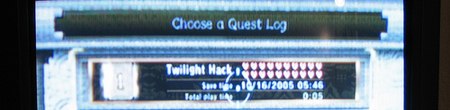
Well, that didn’t take long. Three days after the release of the Wii Menu 3.3 update (which prevents homebrew loading on the Wii by killing a special hack), the update has been circumvented. The update targeted the ubiquitous Twilight Hack, which allows homebrew software to be loaded from the Wii’s SD card slot by using a special game save. The team at HackMii were quick to disassemble, analyze, and scoff at the update, with member [bushing] quipping “we are not impressed.” The team found bug exploits for new code in the the update that cause it to ignore the Twilight Hack. They have yet to release the fix to the public, but its likely that they’ll do so at least as fast as they developed it.

[via Wii Fanboy]
[photo: cibomahto]

Neutering The Apple Remote Desktop Exploit


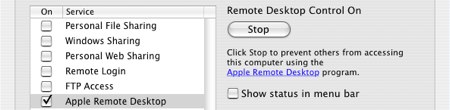
Yesterday, Slashdot reported a privilege escalation vulnerability in OSX. Using AppleScript you can tell the ARDAgent to execute arbitrary shell script. Since, ARDAgent is running as root, all child processes inherit root privleges. Intego points out that if the user has activated Apple Remote Desktop sharing the ARDAgent can’t be exploited in this fashion. So, the short term solution is to turn on ARD, which you can do without giving any accounts access privileges. TUAW has an illustrated guide to doing this in 10.4 and 10.5.

Wiretapping And How To Avoid It


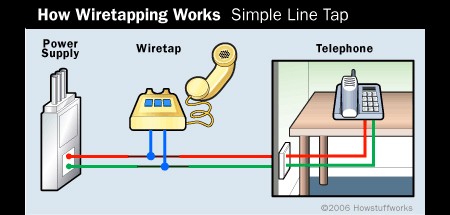
No matter who you suspect is plotting your doom, you’ll need need to know the way wiretapping works in order to learn their plans and shield yourself from their surveillance. Luckily, ITSecurity has posted a comprehensive
article about wiretapping
, including information on how to wiretap and how to find out if someone is wiretapping you.

One of the more intriguing methods of wiretapping the articles discusses is a service by a company called FlexiSPY. It works by covertly installing a program onto the target’s cellphone. Once installed, the spying party can listen to anything going on in the room the target is in by calling the phone. It won’t ring, vibrate, or give any indication that it is transmitting audio data.

Some of the more hack-oriented methods involve tapping into a landline, using special software to record VoIP calls, or buying a wiretapping kit. Of course, countermeasures, are also discussed, but some of the links they provide are a little more informative on the topic of defense against wiretapping.