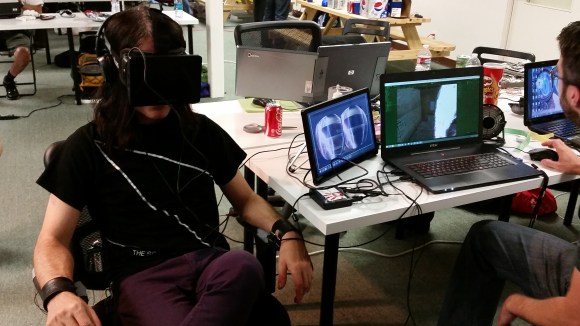
One of our trusty tipsters named [Arman] wrote in to tell us about this awesome little Horror VR Hackathon that sought to create a non-lethal electric chair, for a seriously creepy and shocking experience.
[Arman] works in a small prototyping shop, so when a few guys from the local VR group called to ask for help building a non-lethal electric chair, he thought they were joking — until they showed up at the shop! Finally understanding what they really wanted to do, he hooked them up with an EL wire power supply (high voltage AC, low amperage) for their first prototype.
Unfortunately the EL power supply driver took too much juice, so they called [Arman] back the next day to hack together some of those joke gum shockers instead — he hooked them up to an Arduino and they work like a charm. Continue reading “Non-Lethal Electric Chair Brings The Death Row Experience Home”
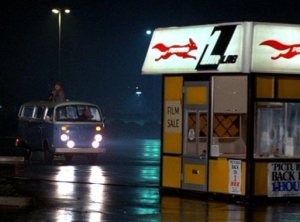 I ran into a guy at Maker Faire Kansas City who I used to scoop ice cream with twenty years ago. We were slinging frozen dairy at a Baskin Robbins in a dying suburban strip mall that had a one-hour photo booth in the parking lot. It was just far enough away from our doorstep that dotting its backside with the hard-frozen ice cream balls that had been scooped and then not always accidentally dropped into the depths of the freezer was challenging. This guy, [Blake], kept a hockey stick hidden in the back room especially for this purpose. I never could get them to fly that far, but he was pretty good at it.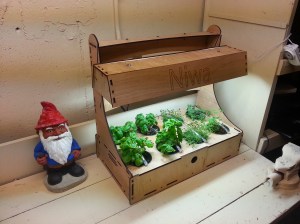


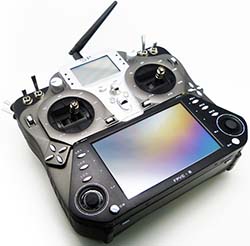 With few exceptions, most of The Hackaday Prize are things we really haven’t seen much of before: base-3 computers that have been relegated to the history books, extremely odd 3D printers, and fancy, new IoT devices are the norm.
  The project featured in this post is an entry in
 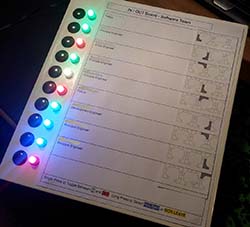 Before this project, [David]’s office had a fairly terrible system to tell everyone who was in the office, who was out, and who wasn’t coming in today. Velcro and whiteboards will do the job, but arcade buttons and LEDs called to [David], leading him to create this