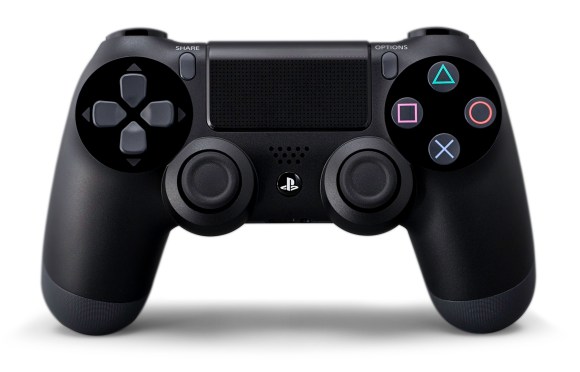
Looking to interface your Arduino with the PS4 controller? [Kristian] has updated his USB host library with support for the controller. The library makes it easy to read most of the inputs from the controller. Currently the buttons and joysticks work, and support for the light sensor, rumble, and touchpad is on the way.
To get this working, you will need the USB Host Shield for the Arduino and a Bluetooth dongle. Once you have the hardware setup, you can use the library to pair with the controller. When connected, simple function calls will let you read the state of the device.
While this does require some additional hardware to connect, all of the code is open source. If you’re looking to experiment with the PS4 controller yourself, [Kristian]’s work could be a helpful starting point. Of course, all of the source is available on Github, and the example sketch shows how easy it is to roll the PS4 controller into your own Arduino project.