Hackers tend to face household problems a little differently than ordinary folk. Where the average person sees a painful repair bill or a replacement appliance, the hacker sees a difficult troubleshooting job and the opportunity to save some cash. [trochilidae] was woken one day by the dreaded Clacking Clanking Scraping Sound, or CCSS, and knew that something had to be done.
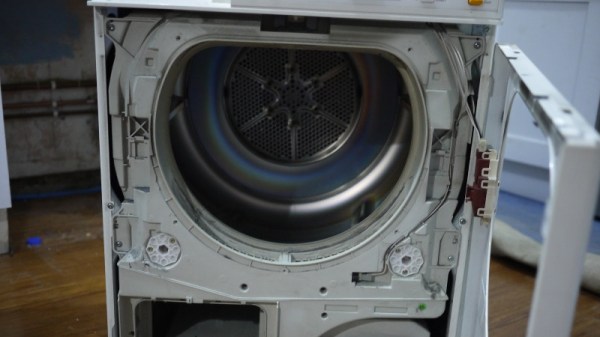
[trochilidae] reports that usually, the CCSS is due to the child of the house destroying his lodgings, but in this case, the source was laundry based. The Miele tumble dryer was acting up, and in need of some attention. What follows is a troubleshooting process [AvE] would be proud of – careful disassembly to investigate the source of the problem. Initial efforts found a loose bulb that was unrelated, before landing on a mysterious spring that wouldn’t fit back into place. In the end, that’s because it had no right to be there at all – an underwire had escaped from a bra, before becoming entangled in the dryer’s bearing. With the culprit identified and removed, it was a simple reassembly job with some attention also paid to the condenser and filters to keep things in ship-shape.
It just goes to show – a bad noise, if properly investigated in a prompt manner, doesn’t have to be the end of the world. A bit of investigation goes a long way, and can save you a lot of money and heartache.
We’ve seen appliances giving hackers trouble before – like this aging washing machine that got its mechanical brain replaced with an Arduino.
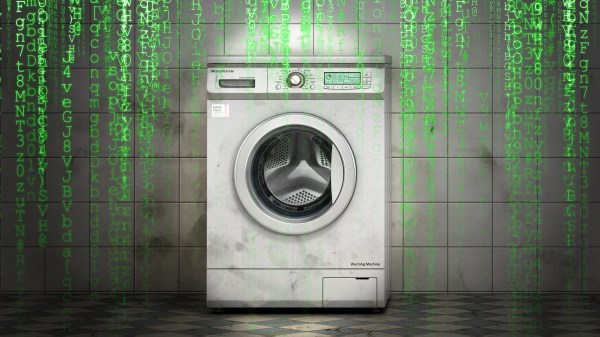
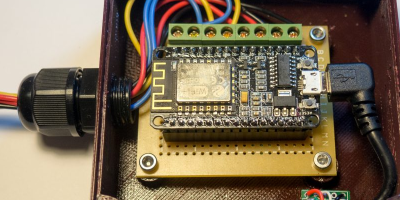 How do you sense when the machine — either a washer or a dryer — is done? [Andrew] thought about sensing current but didn’t want to mess with house current. His machines don’t have LED indicators, so using a light sensor wasn’t going to work either. However, an accelerometer can detect vibrations in the machine and most washers and dryers vibrate plenty while they are running.
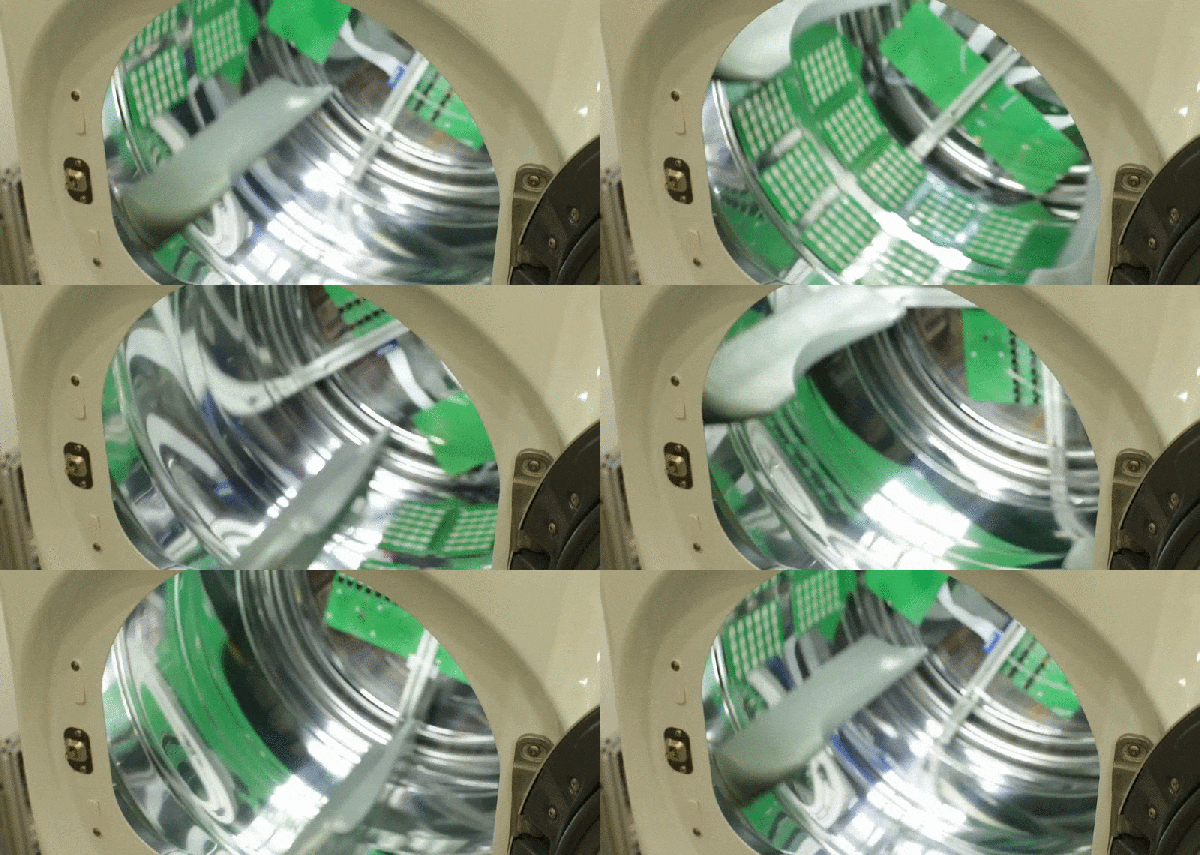
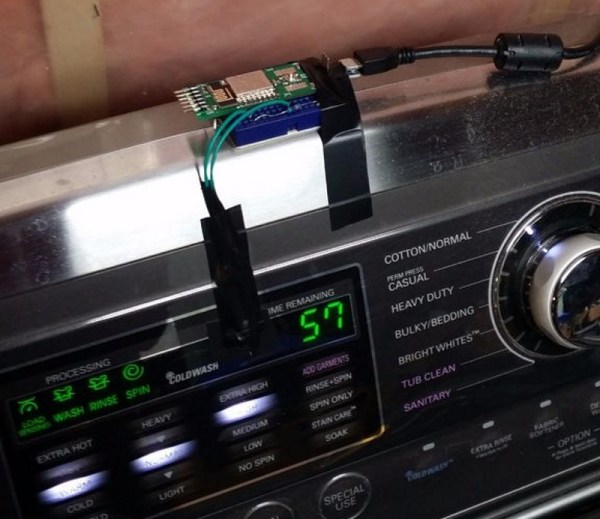
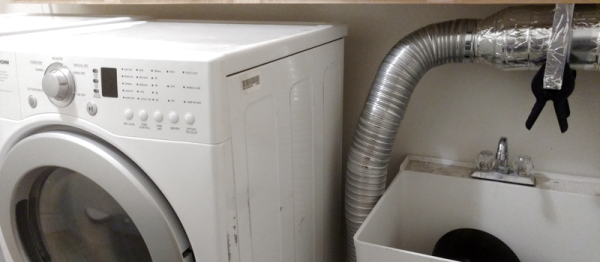




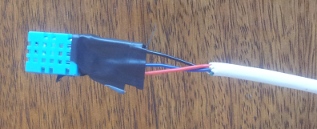 Here’s a question that will rack your brain: does your clothes dryer stop when the clothes are dry? It seems if you have a machine that guzzles power for one single purpose, you’d like it to stop when its job is done, or for the sake of convenience, keep going until the clothes are dry. Temperature and humidity sensors are cheap, and if you don’t have an auto sensing clothes dryer,