Fix 0LBA And BSY HDD Errors

One of the worst moments almost every hacker has experienced is a hard drive inexplicably dieing. And of course, its at the most inopportune time and you’ve had no chance to backup!

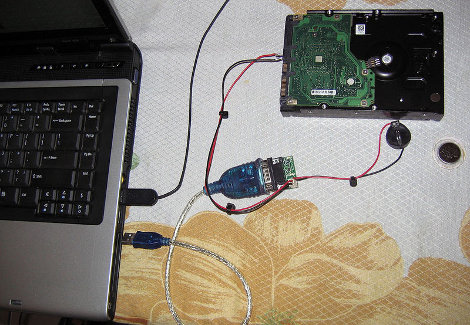
Recently there has been an influx of Seagate hard drives (specifically the 2700.11s) kicking the bucket with firmware errors 0LBA and BSY. The good news is [Gradius2] has made guides to unbrick your drive without having to match serials.

The procedure is lengthy, complicated, can easily become expensive, and there is the possibility of losing your data so it’s not recommended if you’re only getting those pictures of Mr.Fluffykins back. In such a case, Thermite might be a bit better solution.

[Thanks Calvin]

Samsung TV Firmware Hacking

tv-firmware-hacking

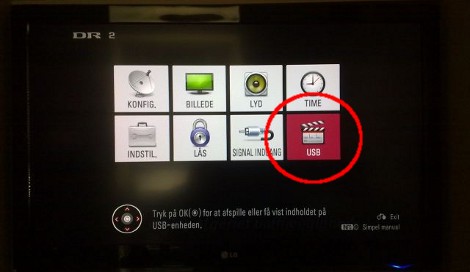
[Erdem] is leading up the efforts to reverse engineer Samsung TV firmware with a project called SamyGo. Official Samsung firmware uses the Linux kernel, making it a familiar system to work with for many developers. So far they’ve implemented NFS and SAMBA for sharing files over the network, improved playback from USB devices, and unlocked the ability to use non-Samsung WiFi dongles.

In order to make changes to the system, you need to enable a telnet connection on the device. The SamyGo team accomplished this by changing an official version of the firmware in a hex editor to start the telnet daemon at boot time. This altered firmware is then flashed using Samsung’s built in upgrade system. Once telnet is enabled, non-official firmware can be manually flashed.

We’d love to see this project expand to other TV Brands in the future. In fact, we were looking for something like this back in June when we realized that our Sony Bravia runs a Linux kernel and can be updated via USB drive.  Be careful if you want to try this out. We can only imagine the fallout after telling your significant other that you bricked a high-priced LCD.

Bus Pirate Firmware Update V0g

buspiratefirmwarev0g

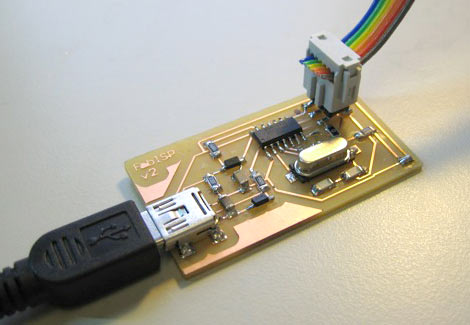
Firmware v0g for all Bus Pirate revisions is now available. Updates in this release include a bootloader, frequency generator/pulse-width modulator, SPI bus sniffer, MIDI library, configuration reports, improved user interface, and bug fixes. v0g is also the first firmware to fully support the v2 hardware branch.

We’re really proud of this release as it brings a much more consistent structure to the internal operation of the Bus Pirate. It lays the foundation for future CAN, LIN, and OBDII libraries, and it supports localization and translations.  Install and upgrade instructions are included with the firmware. Report bugs on the project issue tracker.

We document the new features after the break.

Continue reading “Bus Pirate Firmware Update V0g”

D-Link Adds Captcha To Routers

D-Link is adding captcha support to its line of home routers. While default password lists have been abundant for many years, it was only recently that we started seeing the them implemented in malware. Last year, zlob variants started logging into routers and changing their DNS settings. It’s an interesting situation since the people who need the captcha feature are the ones who will never see it, since they won’t log in to change the default password.

[photo: fbz]

Easy G1 Rooting

tmobileg1

It’s been many months since the T-Mobile G1 was initially rooted. In that time, the process has been streamlined and tools have been built to make it much easier. Having a rooted phone has become even more desirable with the recent release of the 1.5 firmware that includes an onscreen keyboard along with other improvements. Having a rooted phone means you can do tricks like setting up a 3G/WiFi bridge. [Taylor Wimberly] has written a guide to help you easily root your G1 without having to go digging through forums for software bits. The process starts by using [Mike Moussa]’s rooting app to revert the phone to the RC29 build. You then use the “Android stupidly executes everything you type” exploit to launch telnetd and upgrade the bootloader. After that, the upgrade process is fairly easy. You just flash a new baseband and build. Once you’ve got your new custom firmware, you can do future updates using an app from the Android Market. We recently updated our Android Dev Phone 1 to 1.5 and haven’t had any issues.

[photo: tnkgrl]

WiFi And Bluetooth Tethering On Android

tmobileg1

Many G1/ADP1 owners have been using the app Tetherbot to get internet access on their laptop via USB to the phone’s data connection. The app relied on the Android Debug Bridge to forward ports. It worked, but people wanted a solution better than a SOCKS proxy. The community figured out a way to create a properly NAT’d connection using iptables and then [moussam] rolled them up into easy to use applications. There’s one for setting up a PAN device on Bluetooth and another for adhoc WiFi networking. It requires you to have root on your phone, but hopefully you’ve achieved that and are already running the latest community firmware.

[photo: tnkgrl]

IPhone Jailbreaks Updated For 2.2 Release

Working as quick as ever, the iphone-dev team have updated the PwnageTool and QuickPwn to work with the new iPhone 2.2 firmware update. The trouble with the new firmware is that it updates the baseband of the phone, which could potentially undo any progress made towards an iPhone 3G unlock in the future. If you don’t care about that, you can use QuickPwn to jailbreak your phone after the upgrade, so you can run any app you want. If a future unlock is important to you, use the PwnageTool to strip the baseband update out of the firmware update.

[photo: edans]