As we have seen time and time again, not every device stores our sensitive data in a respectful manner. Some of them send our personal data out to third parties, even! Today’s case is not a mythical one, however — it’s a jellybean Amazon Echo Dot, and [Daniel B] shows how to make it spill your WiFi secrets with a bit of a hardware nudge.
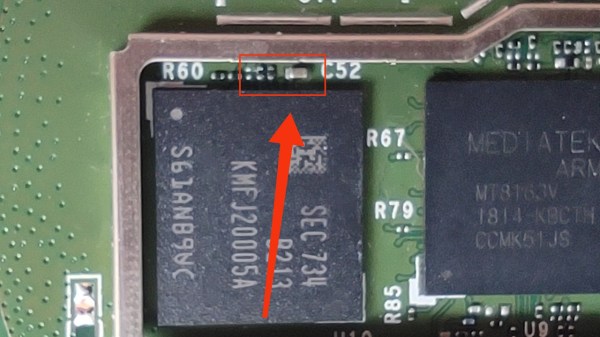
There’s been exploits for Amazon devices with the same CPU, so to save time, [Daniel] started by porting an old Amazon Fire exploit to the Echo Dot. This exploit requires tactically applying a piece of tin foil to a capacitor on the flash chip power rail, and it forces the Echo to surrender the contents of its entire filesystem, ripe for analysis. Immediately, [Daniel] found out that the Echo keeps your WiFi passwords in plain text, as well as API keys to some of the Amazon-tied services.
Found an old Echo Dot at a garage sale or on eBay? There might just be a WiFi password and a few API keys ripe for the taking, and who knows what other kinds of data it might hold. From Amazon service authentication keys to voice recognition models and maybe even voice recordings, it sounds like getting an Echo to spill your secrets isn’t all that hard.
We’ve seen an Echo hijacked into an always-on microphone before, also through physical access in the same vein, so perhaps we all should take care to keep our Echoes in a secure spot. Luckily, adding a hardware mute switch to Amazon’s popular surveillance device isn’t all that hard. Though that won’t keep your burned out smart bulbs from leaking your WiFi credentials.
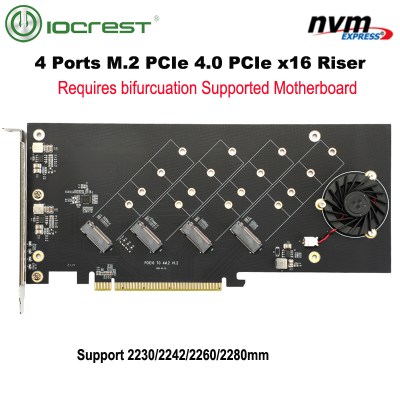 You might have heard the term “bifurcation” if you’ve been around PCIe, especially in mining or PC tinkering communities. This is splitting a PCIe slot into multiple PCIe links, and as you can imagine, it’s quite tasty of a feature for hackers; you don’t need any extra hardware, really, all you need is to add a buffer for REFCLK. See, it’s still needed by every single extra port you get – but you can’t physically just pull the same clock diffpair to all the slots at once, since that will result in stubs and, consequently, signal reflections; a REFCLK buffer chip takes the clock from the host and produces a number of identical copies of the REFCLK signal that you then pull standalone. You might have seen x16 to four NVMe slot cards online – invariably, somewhere in the corner of the card, you can spot the REFCLK buffer chip. In a perfect scenario, this is all you need to get more PCIe out of your PCIe.