Building The DIY HP41C: A Field Report

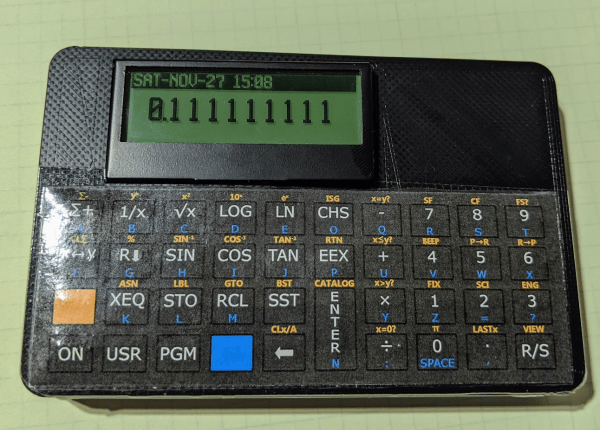
I have a confession to make. I write about a lot of projects for Hackaday, but there are very few I read about and then go actually build a copy of it. I don’t have a lot of time and I’m usually too busy building my own stuff. But once in a while, something strikes my fancy and I’ll either raid the junk box or buy the kit. The most recent case of that was the PX-41C, a replica of the classic HP-41C.
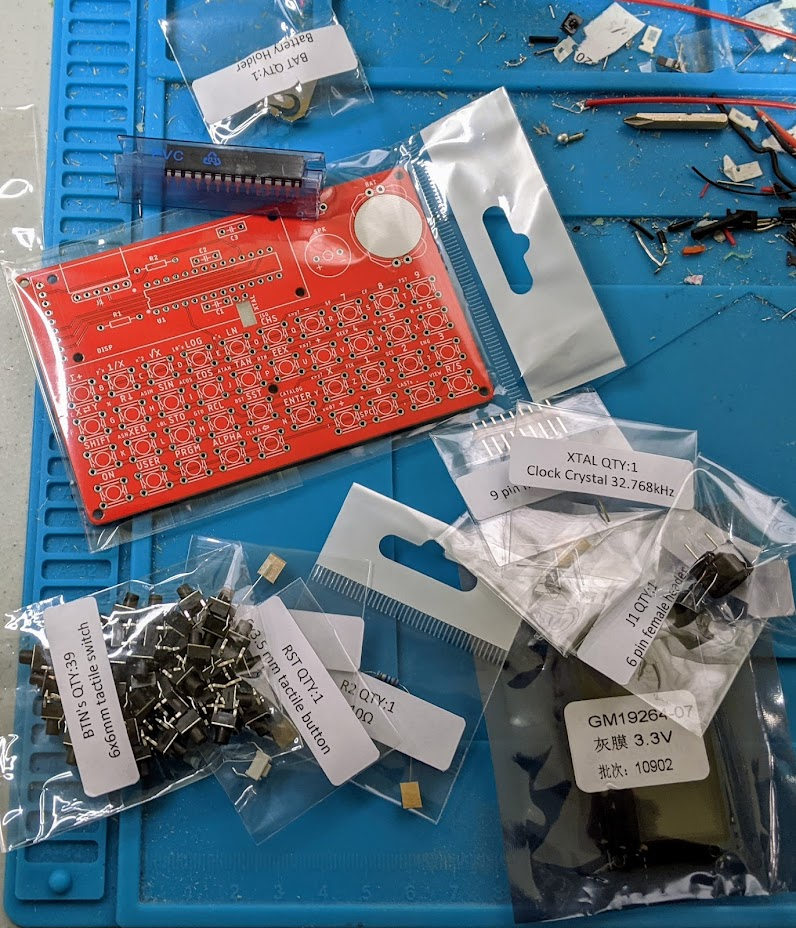
Nicely bagged parts.

The HP-41C is a somewhat legendary reverse-polish notation calculator. I still have my original HP-41C from 1979 (a very low serial number). It is still a workhorse but at 43 years old or so, I don’t like to leave it hanging around or near anything that might damage it. It has enough wear from the daily use it received 40 years ago. Sure, I have great emulation on my phone and I use that too, but the PX-41C kit looked fun, and with all through-hole parts it would be a quick build. The black Friday sale on Tindie sealed the deal for me.

Start-Up

The kit arrived on the Saturday after Thanksgiving, I decided to tackle it while waiting for some 3D prints. The components were all nicely bagged and marked. Tearing into the bags was a bit frustrating, but not hard and it did keep everything separate. There was a bill of materials, but — I thought — no instructions. Turns out the last part of the bill of materials is a link to some instructions. They aren’t much and I didn’t realize they were until after completing the board, but it isn’t hard to figure out. All the parts are marked on the silkscreen and you can probably figure it out — with a few caveats.

Continue reading “Building The DIY HP41C: A Field Report”

Mr Fusion powering a vehicle

Motorsports Are Turning To Alternative Fuels

As the world grapples with the issue of climate change, there’s a huge pressure to move transport away from carbon-based fuels across the board. Whether it’s turning to electric cars for commuting or improving the efficiency of the trucking industry, there’s much work to be done.

It’s a drop in the ocean in comparison, but the world of motorsports has not escaped attention when it comes to cleaning up its act. As a result, many motorsports are beginning to explore the use of alternative fuels in order to reduce their impact on the environment.

Continue reading “Motorsports Are Turning To Alternative Fuels”

The Medieval History Of Your Favourite Dev Board

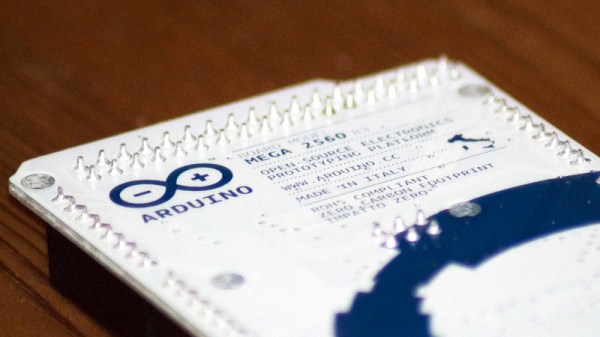
It’s become something of a trope in our community, that the simplest way to bestow a level of automation or smarts to a project is to reach for an Arduino. The genesis of the popular ecosystem of boards and associated bootloader and IDE combination is well known, coming from the work of a team at the Interaction Design Institute Ivrea, in Northern Italy. The name “Arduino” comes from their favourite watering hole, the Bar di Re Arduino, in turn named for Arduin of Ivrea, an early-mediaeval king.

As far as we can see the bar no longer exists and has been replaced by a café, which appears on the left in this Google Street View link. The bar named for Arduin of Ivrea is always mentioned as a side note in the Arduino microcontroller story, but for the curious electronics enthusiast it spawns the question: who was Arduin, and why was there a bar named after him in the first place?

The short answer is that Arduin was the Margrave of Ivrea, an Italian nobleman who became king of Italy in 1002 and abdicated in 1014. The longer answer requires a bit of background knowledge of European politics around the end of the first millennium, so if you’re ready we’ll take Hackaday into a rare tour of medieval history.

Continue reading “The Medieval History Of Your Favourite Dev Board”

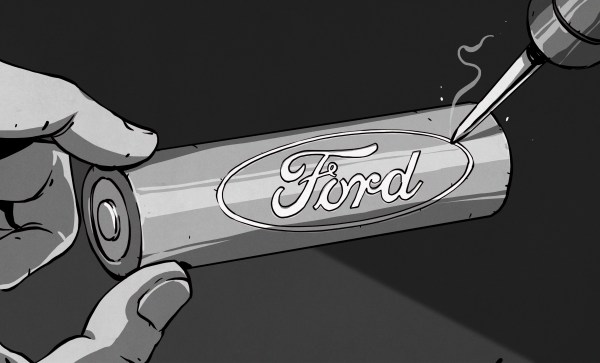
Ask Hackaday: Why Don’t Automakers Make Their Own EV Batteries?

Sales of electric vehicles continue to climb, topping three million cars worldwide last year. All these electric cars need batteries, of course, which means demand for rechargeable cells is through the roof.

All those cells have to come from somewhere, of course, and many are surprised to learn that automakers don’t manufacture EV batteries themselves. Instead, they’re typically sourced from outside suppliers. Today, you get to Ask Hackaday: why aren’t EV batteries manufactured by the automakers themselves? Continue reading “Ask Hackaday: Why Don’t Automakers Make Their Own EV Batteries?”

What’s The Deal With UEFI?

It seems like there are two camps, the small group of people who care about UEFI and everyone else who doesn’t really notice or care as long as their computer works. So let’s talk about what UEFI is, how it came to be, what it’s suitable for, and why you should (or shouldn’t) care.

Continue reading “What’s The Deal With UEFI?”

Laptop keyboard with strange characters on the keys

But Think Of The (World Wide) Users!

History is full of stories about technology that makes sense to the designer but doesn’t really fit the needs of the users. Take cake mixes. In 1929, a man named Duff realized that he could capitalize on surplus flour and molasses and created a cake mix. You simply added water to the dry mix and baked it to create a delicious cake. After World War II General Mills and Pillsbury also wanted to sell more flour so they started making cakes. But sales leveled out. A psychologist who was a pioneer in focus groups named Dichter had the answer: bakers didn’t feel like they were contributing to the creation of the cake. To get more emotional investment, the cake mixes would need to have real eggs added in. Actually, Duff had noticed the same thing in his 1933 patent.

It is easy to imagine a bunch of food… scientists? Engineers? Designers?… whatever a person inventing flour mixes in the 1930s was called… sitting around thinking that making a mix that only requires water is a great thing. But the bakers didn’t like it. How often do we fail to account for users?

From Cake Mix to Tech

Apple has made a business of this. Most of us don’t mind things like arcane commands and control key combinations, but the wider pool of global computer users don’t like those things. As the world continues to virtually shrink, we often find our users are people from different lands and cultures who speak different languages. It is, after all, the world wide web. This requires us to think even harder about our users and their particular likes, dislikes, and customs.

Continue reading “But Think Of The (World Wide) Users!”

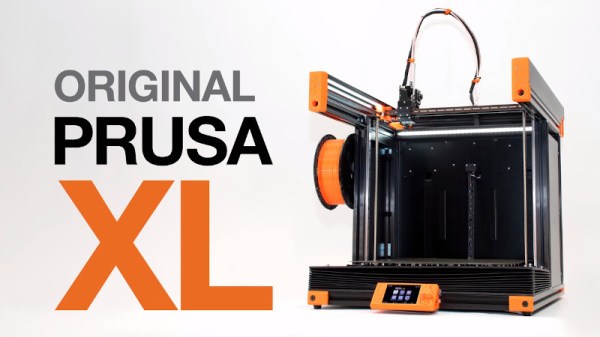
Prusa XL Goes Big, But That’s Only Half The Story

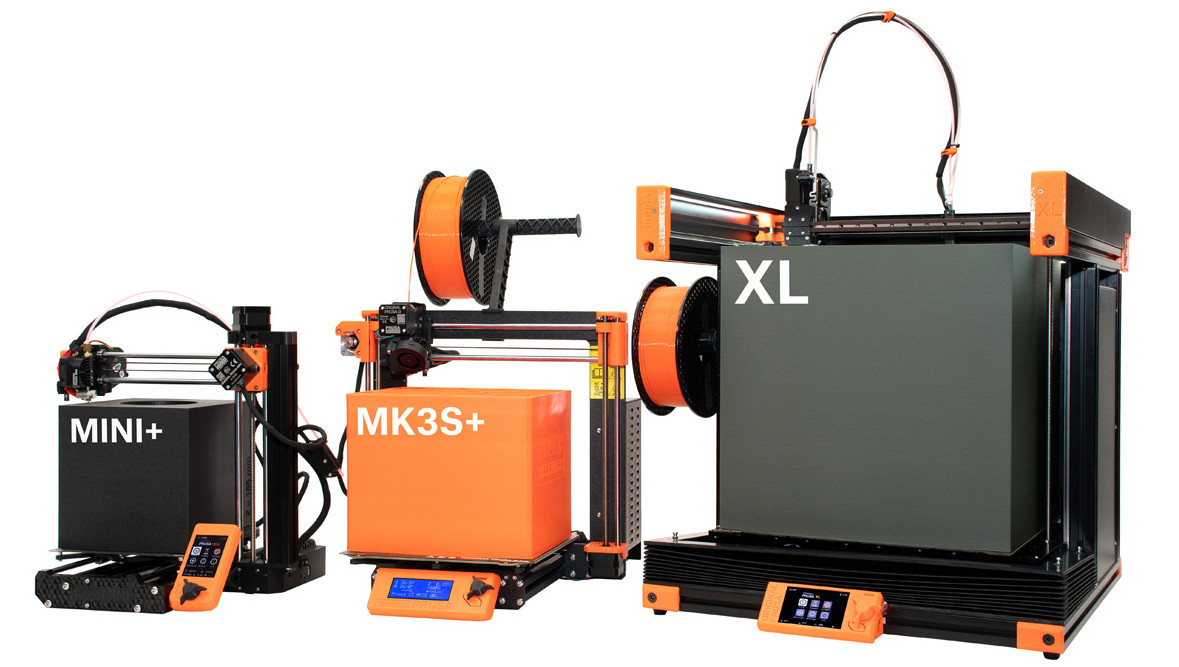
For a few years now it’s been an open secret that Prusa Research was working on a larger printer named, imaginatively enough, the Prusa XL. Positioned at the opposite end of their product spectrum from the wildly popular Prusa Mini, this upper-tier machine would be for serious hobbyists or small companies that need to print single-part objects that were too large for their flagship i3 MK3S+ printer. Unfortunately, the global COVID-19 pandemic made it difficult for the Czech company to focus on bringing a new product to market, to the point that some had begun to wonder if we’d ever see this mythical machine.

But now, finally, the wait is over. Or perhaps, it’s just beginning. That’s because while Prusa Research has officially announced their new XL model and opened preorders for the $1,999+ USD printer, it’s not expected to ship until at least the second quarter of 2022. That’s already a pretty substantial lead time, but given Prusa’s track record when it comes to product launches, we wouldn’t be surprised if early adopters don’t start seeing their machines until this time next year.

So what do you get for your money? Well, not an over-sized Prusa i3, that’s for sure. While many had speculated the XL would simply be a larger version of the company’s popular open source printer with a few modern niceties like a 32-bit control board sprinkled in, the reality is something else entirely. While the high purchase price and ponderous dimensions of the new machine might make it a tough sell for many in the hacker and maker communities, there’s little question that the technical improvements and innovations built into the Prusa XL provide a glimpse of the future for the desktop 3D printer market as a whole.

Continue reading “Prusa XL Goes Big, But That’s Only Half The Story”