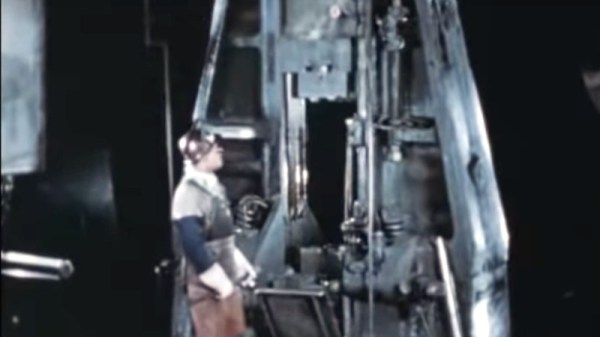
It is the norm for our Retrotechtacular series to concentrate on a technology that has passed out of use but is still of interest to Hackaday readers, so it is perhaps unusual now to feature one that is very much still with us. Drop forging is a technique for forming hot metal in dies under huge force, and while it is still a current technique the 1950s educational film we are featuring is definitely retro.
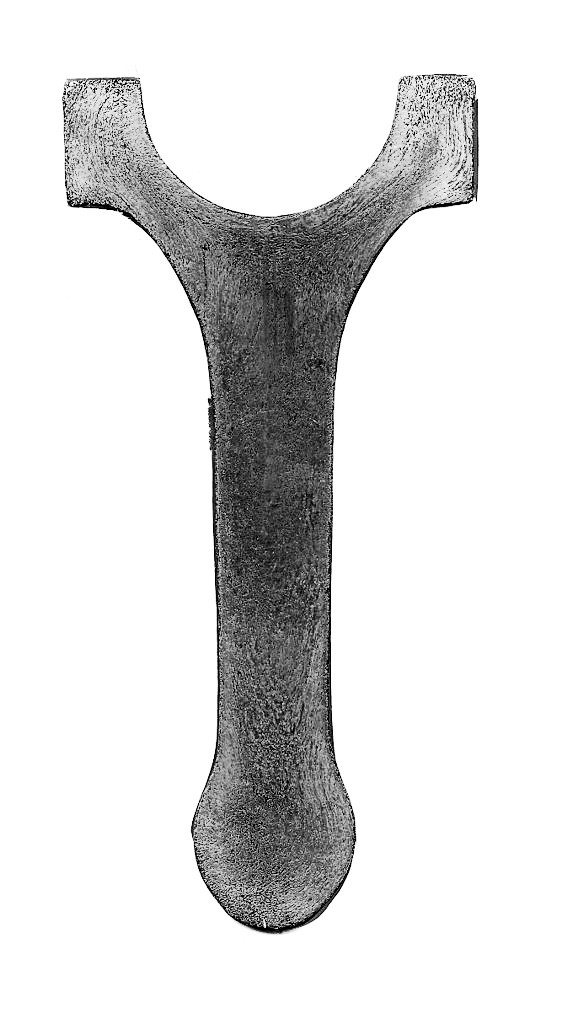
If you have followed our occasional series on blacksmithing, you’ll be familiar with the process of forming metal by heating it to a temperature at which it becomes malleable enough to deform under pressure, and using a hammer to shape it against an anvil. This process not only shapes the metal, but also forms its inner grain crystal structure such that with careful management the forging process can impart significant resistance to fatigue in the finished item. Think of drop forging as automation of the manual blacksmithing process, with the same metallurgical benefits but in which the finished product is shaped in a series of dies rather than by the blacksmith’s hammer. It loses the craft of the smith over the process, but delivers an extremely consistent result along with a high production turnover.
The film that we’ve placed below the break is an in-depth introduction to the industry in a very period style and with components for the automotive, aerospace, and defense industries of the day. It takes the viewer through the different types of press and examines the design of dies to produce in stages the required grain structure and shapes.
Of particular interest is the section on upset forging, a technique in which a piece of steel stock is forged end-on rather from above. The components themselves make the video worth watching, as we see everything from jet turbine blades to medical forceps in production, along with many parts from internal combustion engines. The smallest piece shown is a tiny carburetor part, while the largest is a huge aircraft carrier catapult part that requires a special vehicle to load it into the press.
Drop forging is generally the preserve of a large metalworking factory due to the size of the presses involved. But it’s not entirely beyond the capabilities of our community given the resources of a well-equipped hackerspace or blacksmith’s shop. My father made simple forging dies by assembling a basic shape in weld and pieces of steel stock before grinding it to his requirements and heat treating. Mounted in a large rotary fly press for repetitive small scale shaping and forming tasks in ornamental ironwork, I remember bumping them out from red hot steel bar in my early teens.
This is one of those techniques that’s useful to know about in our community, because while the need to manufacture significant quantities of ornamental ironwork may not come your way too often, it’s still worth having the capability should you need it. Meanwhile the video below the break should serve to provide you with enough heavy machinery enjoyment to brighten your day.




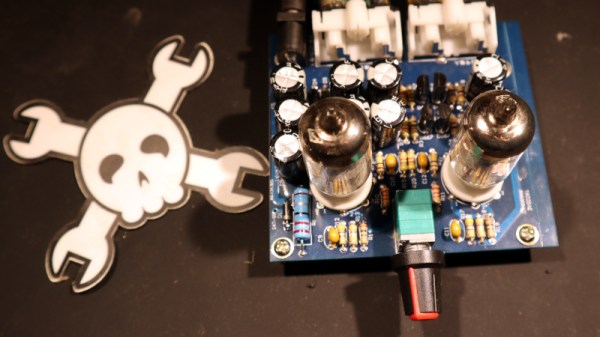
 What I received for my tenner was a press-seal bag with a PCB and a pile of components, and not much else. No instructions, which would have been worrisome were the board not clearly marked with the value of each component. The circuit was on the vendor’s website and is so commonly used for these sort of kits that it can be found all over the web — a very conventional twin common-cathode amplifier using a pair of 6J1 miniature pentodes, and powered through a +25 V and -25 V supply derived from a 12 VAC input via a voltage multiplier and regulator circuit. It has a volume potentiometer, two sets of phono sockets for input and output, and the slightly naff addition of a blue LED beneath each tube socket to impart a blue glow. I think I’ll pass on that component.