Hackaday, we have a problem. The electricity in your house is on. It’s always on. How fast are those kilowatt-hours ticking by and what is causing it? For most people the only measurement they have of this is the meter itself (which nobody looks at), and the electric bill (which few people actually analyze). Is it silly that people pay far more attention to the battery usage on their phone than the electricity consumption in their abode? I think it is, and so appears another great seed idea for Hackaday Prize entries.
A Better Way to Measure
 The tough part of the problem here is getting at reliable data. Just yesterday we saw an incredible resource monitoring project that uses an optical sensor to measure the turning or the wheel in an electric meter. We’ve seen similar projects for meters that have a blinking LED, and a few other methods. But in many cases the electrical meter is outdoors which makes cheap, easily installed sensors a difficult goal to achieve. Even if we did, this still provides just one stream of data, the entire house.
Alternatively you could tap into the breaker box. We’ve seen [Bill Porter] do just that and there are some commercially available kits that include an octopus of clamp-style current sensors. This is a bit of an improvement, but still requires the user to open the electrical panel (don’t scoff at that statement, you know most people shouldn’t be doing that) to install them. I’m sure there are other methods that I’m missing and would love to hear about them in the comments below.
The Point
To sum up what I’m getting at here, think about the Kill-A-Watt which proved to be a very interesting hack. People liked not just seeing how much power something uses but extending where that data can be accessed. We don’t remember seeing any successful efforts to move the concept ahead a few generations. But if someone can crack that nut it could yield a wave of energy savings as people are able to be better connected with what is using a lot of electricity in their homes.
Your Turn (and Lessons from Last Week)
As with last week, now it’s your turn to come up with some ideas… wild, fantastic, good, bad, outlandish, let’s hear them. Better yet, document your idea on Hackaday.io and tag it with “2015HackadayPrize“. You can win prizes just for a well presented idea!
Speaking of last week, I shared the idea of adding some feedback to how long you’ve been in the shower. There were many opinions about the value and worthiness of that idea so I thought I’d close by covering some of them. Yes, there are much bigger wastes of water (and electricity in this case) in the world but why limit our solutions to only the largest offenders? The low-hanging fruit tends to be stuff a lot of people can understand and relate to. If we only talked about large-scale fixes (I dunno; reducing mercury emissions from power plants?) there is little momentum to crank-start a movement. If you found yourself thinking the ideas from this week and last are far too simple to win The Hackaday Prize that means you better get your project going. The world is hacked together by those who show up.
I’d love to hear suggestions for future installments of We have a problem. Leave those ideas in the comments and we’ll see you here next week!


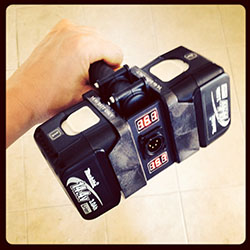 [robin] has a Red Camera (lucky!), an absurdly expensive digital video camera. As you would expect the batteries are also absurdly expensive. What’s the solution? Battery packs from cordless drills.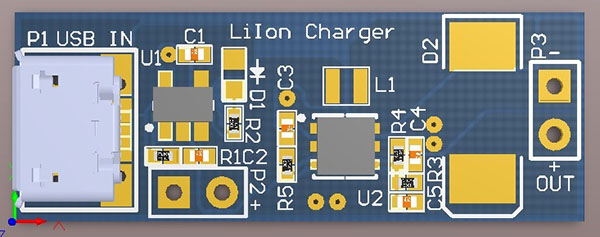
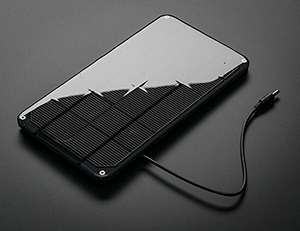 All of the projects above rely on charging a battery through wall power, and sometimes even that is impossible. Solar is where we’re headed, with solar LiPo chargers, and solar LiFe chargers. That’s more than enough to keep a smartphone charged, but if you want to go completely off the grid, you’re going to need something bigger.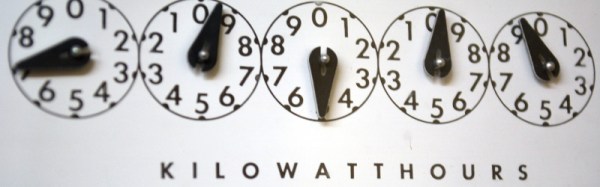






 [Oscar] says he’ll be bringing his PiDP to the


 Like most hardware builds for Kerbal Space Program, [lawnmowerlatte] is using a few user-made plugins for
  [Gabriel]








