Columbia Decides 3D Printed Food Tastes Like Chicken

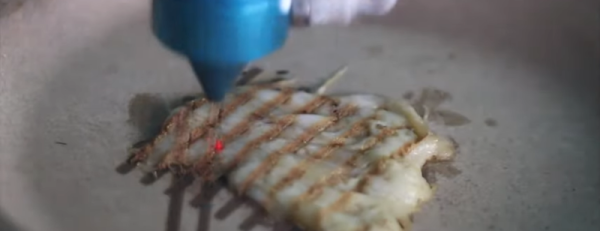
Researchers at Columbia have used multi-wavelength lasers to cook 3D-printed chicken. Apparently, it tastes like chicken. We were not overly surprised that 3D printed chicken protein cooked up to taste like chicken, but, then again, you have to do the science.

While additive manufacturing is the latest buzzword for all kinds of manufacturing, there’s also been a variety of attempts to 3D print food. We’ve seen pizza printers and fake steak printers, too. It makes sense that you don’t want to print raw food — the finished product needs to be cooked. You can see several videos about the process, below.

Continue reading “Columbia Decides 3D Printed Food Tastes Like Chicken”

Elderly Remote Keeps Things Simple

If you are lucky, you’ve never experienced the heartbreak of watching a loved one lose their ability to do simple tasks. However, as hackers, we have the ability to customize solutions to make everyday tasks more accessible. That’s what [omerrv] did by creating a very specific function remote control. The idea is to provide an easy-to-use interface for the most common remote functions.

This is one of those projects where the technology puzzle is now pretty easy to solve: IR remotes are well-understood and there are plenty of libraries for recording and playing back signals. The real work is to understand the user’s challenges and come up with a workable compromise between something useful and something too complex for the user to deal with.

Continue reading “Elderly Remote Keeps Things Simple”

Making Linux Offline Voice Recognition Easier

For just about any task you care to name, a Linux-based desktop computer can get the job done using applications that rival or exceed those found on other platforms. However, that doesn’t mean it’s always easy to get it working, and speech recognition is just one of those difficult setups.

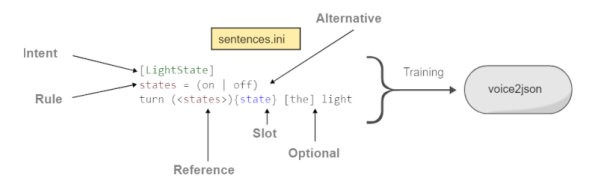
A project called Voice2JSON is trying to simplify the use of voice workflows. While it doesn’t provide the actual voice recognition, it does make it easier to get things going and then use speech in a natural way.

The software can integrate with several backends to do offline speech recognition including CMU’s pocketsphinx, Dan Povey’s Kaldi, Mozilla’s DeepSpeech 0.9, and Kyoto University’s Julius. However, the code is more than just a thin wrapper around these tools. The fast training process produces both a speech recognizer and an intent recognizer. So not only do you know there is a garage door, but you gain an understanding of the opening and closing of the garage door.

Continue reading “Making Linux Offline Voice Recognition Easier”

Modern Tube Tester Uses Arduino

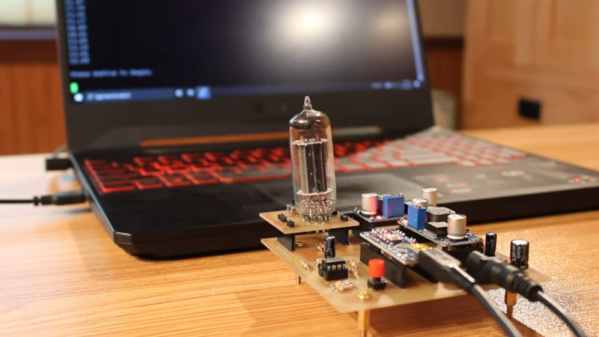
There was a time when people like us might own a tube tester and even if you didn’t, you probably knew which drug store had a tube testing machine you could use for free. We aren’t sure that’s a testament to capitalistic ingenuity or an inditement of tube reliability — maybe both. As [Usagi] has been working on some tube-based projects, he decided he needed a tester so he built one. You can see the results in the video, below.

The tester only uses 24V, but for the projects he’s building, that’s close to the operation in the real circuits. He does have a traditional tube tester, but it uses 100s of volts which is a different operating regime.

Continue reading “Modern Tube Tester Uses Arduino”

Upcycling A VFD

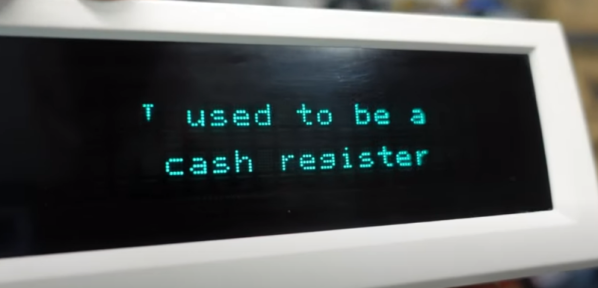
A lot of electronics wind up in landfills, and when [Playful Electronics] saw an old cash register heading for the dump, he decided to give its VFD display a new life as an Arduino peripheral. While you might not find the exact same parts, it is still fun to watch him work through the process, and you might find some tips for doing your own upcycle project next time you see some old tech heading out to pasture.

The project was relatively straightforward since data for the display was available. It is meant to connect via RS232 with a point of sale printer, so working with it is pretty straightforward.

Continue reading “Upcycling A VFD”

3D Printed Sensor Detects Glyphosate

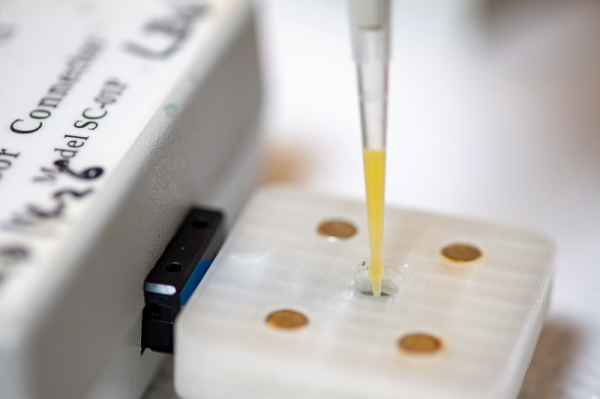
Typically, detecting glyphosate — a herbicide — in a beverage requires a sophisticated test setup. But Washington State University has a 3D printed sensor that uses nanotubes to simplify the detection of the toxin.

The idea is very similar to inexpensive blood glucose monitors. The test will eventually find use for human samples, but the initial testing was for detecting contamination in orange juice.

Continue reading “3D Printed Sensor Detects Glyphosate”

Ask Hackaday: What Can Only A Computer Do?

It is easy to apply computers to improve things we already understand. For example, instead of a piano today, you might buy a synthesizer. It looks and works — sometimes — as a piano. But it can also do lots of other things like play horns, or accompany you with a rhythm track or record and playback your music. There’s plenty of examples of this: word processors instead of typewriters, MP3 players instead of tape decks, and PDF files instead of printed material. But what about something totally new? I was thinking of this while looking at Sonic Pi, a musical instrument you play by coding.

But back to the keyboard, the word processor, and the MP3 player. Those things aren’t so much revolutionary as they are evolutionary. Even something like digital photography isn’t all that revolutionary. Sure, most of us couldn’t do all the magic you can do in PhotoShop in a dark room, but some wizards could. Most of us couldn’t lay out a camera-ready brochure either, but people did it every day without the benefit of computers. So what are the things that we are using computers for that are totally new? What can you do with the help of a computer that you absolutely couldn’t without?

Continue reading “Ask Hackaday: What Can Only A Computer Do?”