3D Printable Cloth Takes Advantage Of Defects

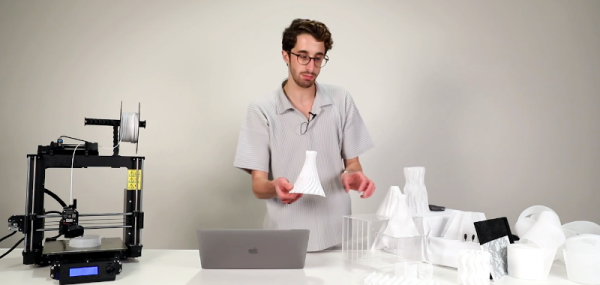
Normally, a 3D printer that under extrudes is a bad thing. However, MIT has figured out a way to deliberately mix full extrusions with under extruded layers to print structures that behave more like cloth than normal 3D printed items. The mesh-like structure apparently doesn’t require any modification to a normal 3D printer, just different software to create special code sequences to create the material.

Called DefeXtiles, [Jack Forman] is producing sheets and complex structures that appear woven. The process is known as “blob-stretch” because of the way the plastic makes blobs connected by fine filaments of plastic.

Continue reading “3D Printable Cloth Takes Advantage Of Defects” →
3D Printed Electric Motor Wants To Take Flight

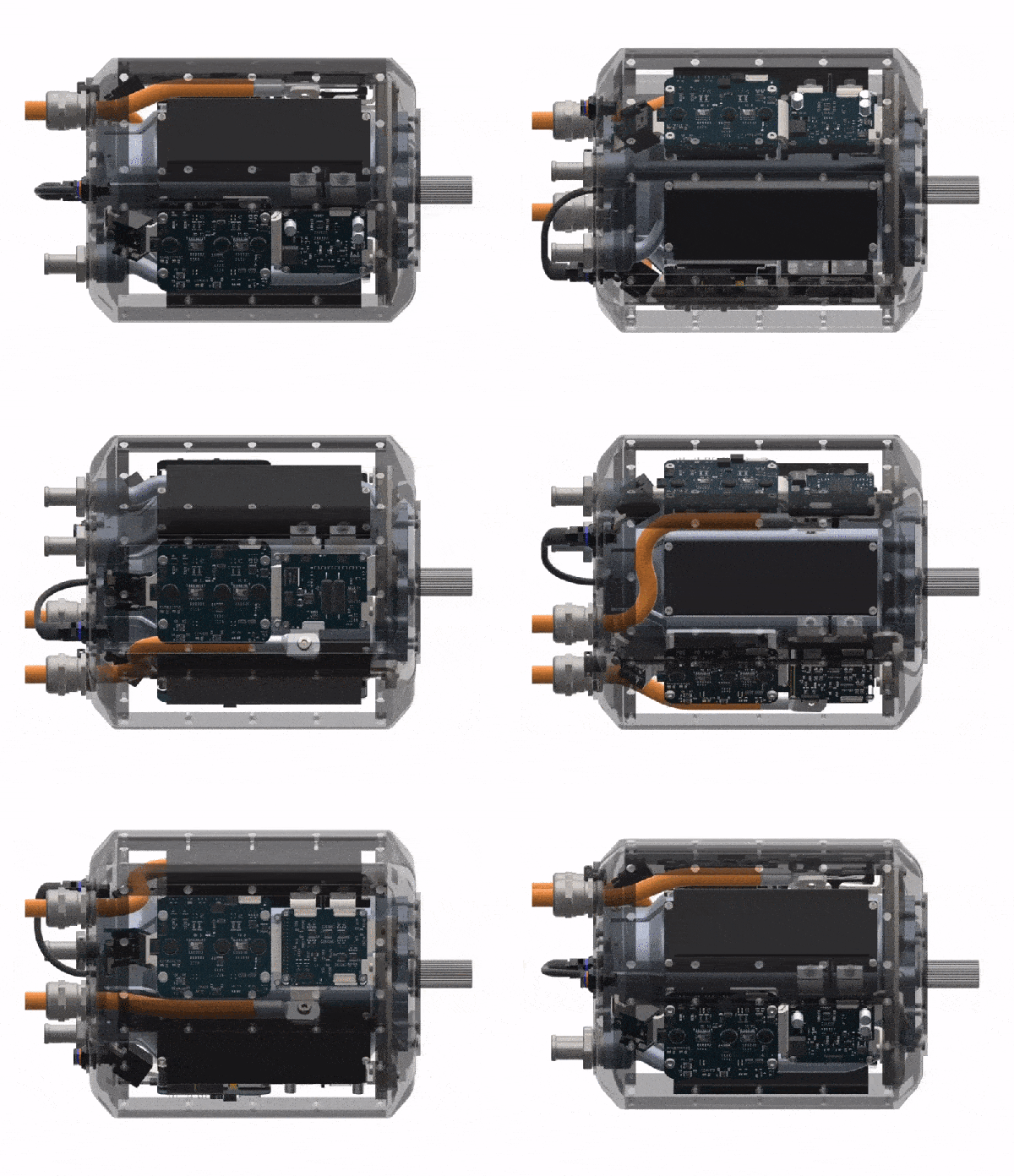
Airplanes and spacecraft have a big problem. The more engine or fuel you have, the more engine and fuel you need. That’s why aircraft use techniques to have lightweight structural members and do everything they can to minimize weight. A lighter craft can go further and carry more payload or supercargo. Electric motors are very attractive for aircraft, but they suffer from having less efficiency per kilogram than competing technologies. H3X thinks they can change that with their HPDM-250 integrated motor and inverter.

Although the 15 kg motor is still in testing, the claimed specifications are impressive: a peak power of 250 kW for 30 seconds and continuous torque of 95 Nm and 200 kW sustained. The company claims 96.7% efficiency. The claims are for the motor running at 20,000 RPM, so you’d need to add the weight of a gearbox for practical applications, but the company says this adds a mere 3 kg to the overall weight.

Continue reading “3D Printed Electric Motor Wants To Take Flight” →

Magnifying On The Cheap

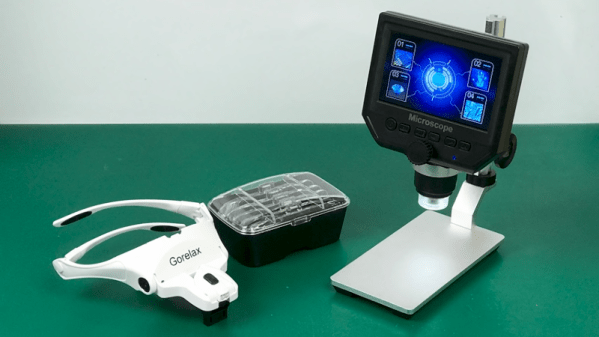
If there is one thing we’ve learned during several years of running the Hackaday SMD soldering challenge it is this: Most people need magnification to do good soldering at a tiny scale. The problem is, like most tools, you can buy something as cheap as a $5 binocular headset or you can spend $1,000 or more on a serious microscope. What’s in between? [Noel] looks at some affordable options in a recent video that you can see below.

[Noel] started out with a cheap “helping hand” that has a simple little magnifying glass attached to it. The major criterion was to find something that would have no delay so he could solder under magnification. While it is possible to work under a scope with a little lag in the display, it is frustrating and there are better options.

Continue reading “Magnifying On The Cheap” →

Portable Ham Antenna Uses SMD Capacitors

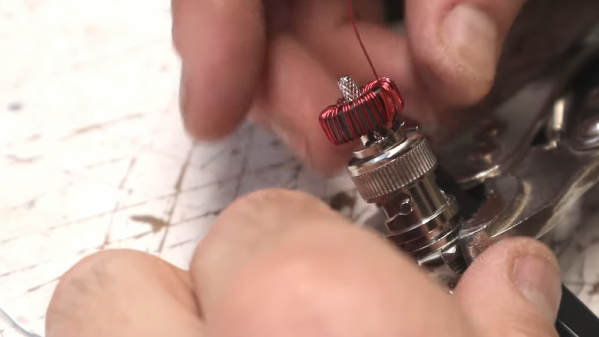
[K6ARK] likes to operate portable, so he puts together very lightweight antennas. One of his latest uses tiny toroids and SMD capacitors to form trap elements. You can seeĀ  the construction of it in the video below.

You usually think of toroid winding as something you do when building transmitters or receivers, especially small ones like these. We presume the antenna is best for QRP (low power) operation since the tiny core would saturate pretty quickly at higher power. Exactly how much power you should pass through an FT50-43 core depends on the exact application, but we’ve seen numbers around 5 watts.

Continue reading “Portable Ham Antenna Uses SMD Capacitors” →

FreeCAD Debugging

Powerful software programs often have macro programming languages that you can use, and if you know how to program, you probably appreciate them. However, sometimes the program’s built-in debugging facilities are lacking or even nonexistent If it were just the language, that wouldn’t be such a problem, but you can’t just grab a, for example, VBA macro from Microsoft Word and run it in a normal Basic interpreter. Your program will depend on all sorts of facilities provided by Word and its supporting libraries. [CrazyRobMiles] was frustrated with trying to debug Python running inside FreeCAD, so he decided to do something about it.

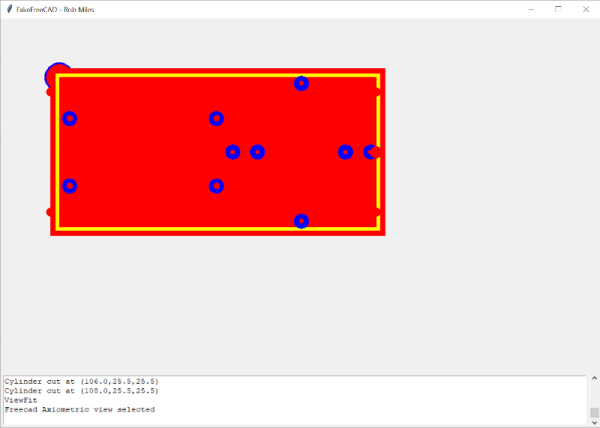
[Rob’s] simple library, FakeFreeCad, gives enough support that you can run a FreeCAD script in your normal Python development environment. It only provides a rude view of what you are drawing, but it lets you explore the flow of the macro, examine variables, and more.

Continue reading “FreeCAD Debugging” →

Gyroscope Level Is Digital

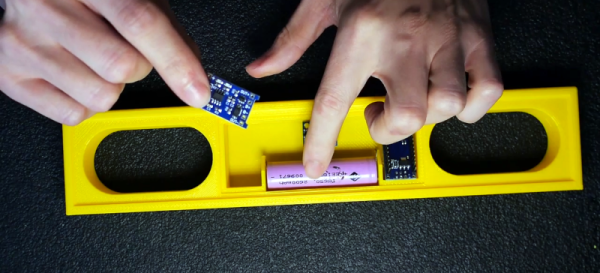
A spirit level, you know the kind of level with a little bubble in a tube of fluid, is a basic construction tool. [DesignBuildDestroy] took an Arduino, a gyroscope chip, and an OLED, and made a 3D printed level with no bubble, but it does have a nice digital display.

It is funny when you realize that at one time a gyroscope was a high tech item reserved for missiles and aircraft. Now you can grab a six-axis sensor for pennies. Even, better, the code used in the project can offload the Arduino for a lot of processing.

Continue reading “Gyroscope Level Is Digital” →

Cutting Balsa Wood With Air (Oh, And A Laser)

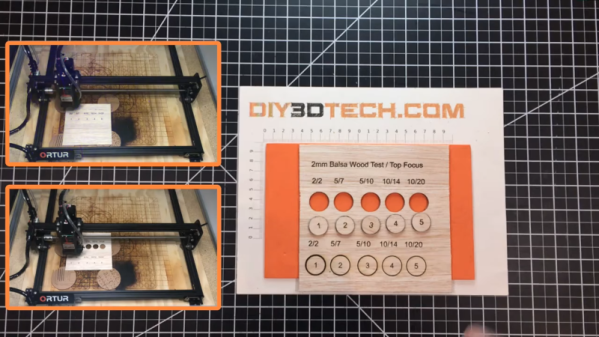
[DIY3DTech] likes using his Ortur laser cutter for balsa wood and decided to add an air assist system to it. Some people told him it wasn’t worth the trouble, so in the video below, he compares the results of cutting both with and without the air assist.

The air assist helped clear the cut parts and reduced charring in the wood. The air system clears residue and fumes that can reduce the effectiveness of the laser. It can also reduce the risk of the workpiece catching on fire.

Continue reading “Cutting Balsa Wood With Air (Oh, And A Laser)” →