Current global events have demonstrated that we do not live in the most stable of times. Still, most of us 90’s kids are probably glad that we did not have to endure the political shakiness of the Cold War era when people were living in constant fear of nuclear Armageddon. Nuclear weapons tests were common during this period as the United States and the Soviet Union invested heavily to increase the quality and quantity of their warheads in the race for nuclear supremacy.
Even though the political situation stabilized after the fall of the Soviet Union, the consequences of the vast amount of nuclear tests conducted back then are still noticeable today. Besides the devastating effects on human health and the environment, this period also leaves some implications for science which are not always negative.
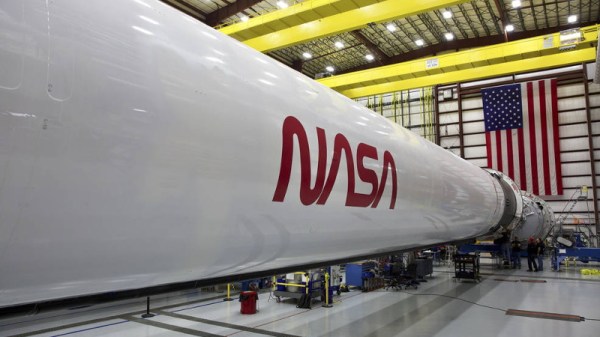
With the launch of the SpaceX Demo-2 mission, the United States has achieved something it hasn’t done in nearly a decade: put a human into low Earth orbit with a domestic booster and vehicle. It was a lapse in capability that stretched on far longer than anyone inside or outside of NASA could have imagined. Through a series of delays and program cancellations, the same agency that put boot prints on the Moon and built the iconic Space Shuttle had been forced to rely on Russia to carry its astronauts into space since 2011.
But America’s slow return to human spaceflight can’t be blamed on the CST-100, or even Boeing, for that matter. Since the retirement of the Space Shuttle, NASA has been hindered by politics and indecisiveness. With a constantly evolving mandate from the White House, the agency’s human spaceflight program has struggled to make significant progress towards any one goal.
With everything from APIs to Raspberry Pis making it even easier for us to create and share objects shaped by personal whim, it’s high time that Don Norman’s sage design advice falls on not just the design student, but the hardware hacker and DIY enthusiast too. Grab yourself a coffee and a free weekend, and settle into the psychology of people-struggling-how-to-use-that-widget-they-just-purchased in The Design of Everyday Things: Revised and Expanded Edition.
Who’s to blame for a door that opens with a pull when everything about how it looks says it should open with a push? In Don Norman’s world, it’s not you; its the designer. Enter a world where blame is inverted and mistakes can be critically categorized. Norman takes us example by example showing us how common items in the world poorly serve the needs of their user, mainly because the designer simply ignores key aspects of our humanity. This book is a crisp, concise overview of human psychology when applied to engaging with things combined with a language of ideas to help us apply this psychology to better interactions. (And it reads like butter!)
Opening Up to the Language of Design
What’s an affordance, you might ask? Well, simply put, it’s a way that an object can be used by a human. How about a signifier? That’s a communication “signposting” scheme that object uses to suggest to you how it should be used. If that sounds a bit fluffy, just think about the last time you tried to push open a door that needed to be pulled. Something about that door was suggesting that you could push it open, but it couldn’t! It “fooled” you because all the object’s signifiers were telling you otherwise. Continue reading “Books You Should Read: The Design Of Everyday Things”→
At first glance, both the executables that a compiler produces, and the libraries that are used during the building process seem like they’re not very accessible. They are these black boxes that make an application go, or make the linker happy when you hand it the ‘right’ library file. There is also a lot to be said for not digging too deeply into either, as normally things will Just Work™ without having to bother with such additional details.
The thing is that both executables and libraries contain a lot of information that normally is just used by the OS, toolchain, debuggers and similar tools. Whether these files are in Windows PE format, old-school Linux a.out or modern-day .elf, when things go south during development, sometimes one has to break out the right tools to inspect them in order to make sense of what is happening.
This article will focus primarily on the Linux platform, though most of it also applies to BSD and MacOS, and to some extent Windows.
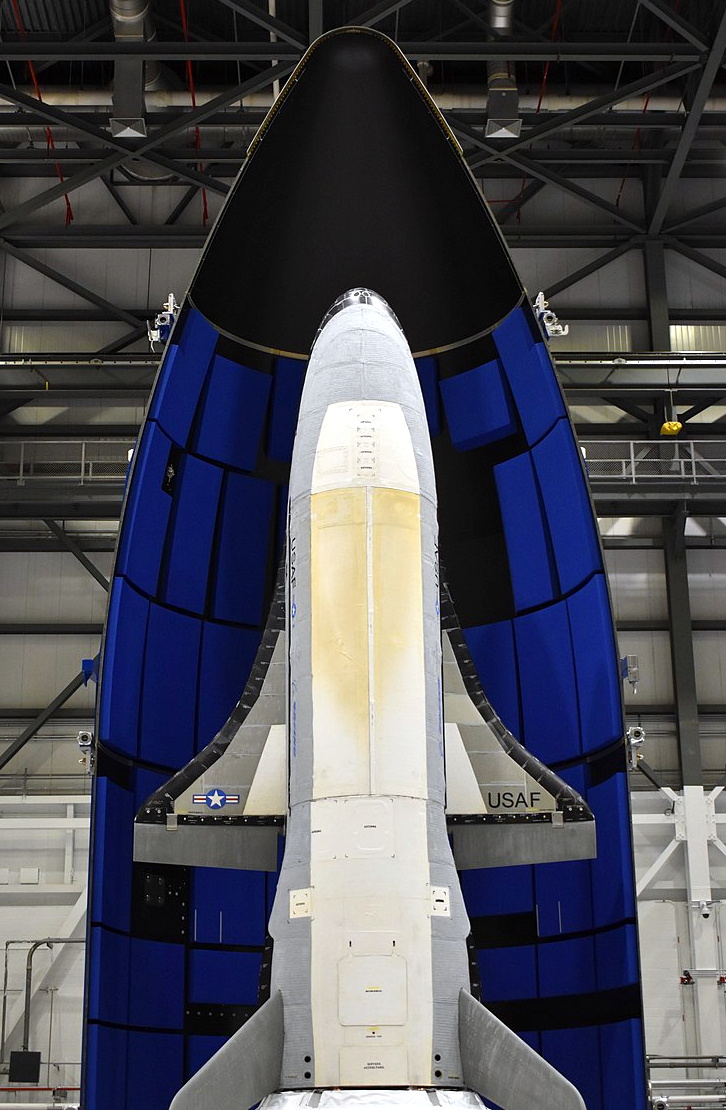
Since 2010, the United States military has been operating a pair of small reusable spaceplanes that conduct secretive long-duration flights in low Earth orbit. Now officially operating under the auspices of the newly formed Space Force, the X-37Bs allow the military to conduct in-house research on new hardware and technology with limited involvement from outside agencies. The spaceplane still needs to hitch a ride to space on a commercial rocket like the Atlas V or the Falcon 9, but once it’s separated from the booster, the remainder of the X-37B’s mission is a military affair.
An X-37B being prepared for launch.
So naturally, there’s a lot we don’t know about the USSF-7 mission that launched from Cape Canaveral Air Force Station on May 17th. The duration of the mission and a complete manifest of the experiments aboard are classified, so nobody outside the Department of Defense truly knows what the robotic spacecraft is up to. But from previous missions we know the craft will likely remain in orbit for a minimum of two years, and there’s enough public information to piece together at least some of the investigations it will be conducting.
Certainly one the most interesting among them is an experiment from the U.S. Naval Research Laboratory (NRL) that will study converting solar power into a narrow microwave beam; a concept that has long been considered the key to unlocking the nearly unlimited energy potential offered by an orbital solar array. Even on a smaller scale, a safe and reliable way to transmit power over the air would have many possible applications. For example it could be used to keep unmanned aerial vehicles airborne indefinitely, or provide additional power for electric aircraft as they take-off.
Performing an orbital test of this technology is a serious commitment, and shows that all involved parties must have a fairly high confidence level in the hardware. Unfortunately, there isn’t much public information available about the power beaming experiment currently aboard the X-37B. There’s not even an indication of when it will be performed, much less when we should expect to see any kind of report on how it went. But we can make some educated guesses based on the work that the Naval Research Laboratory has already done in this field.
We live at an interesting point in time for the technologically minded motor vehicle enthusiast, and we stand on the brink of a major directional shift in how we imagine a car. Within ten years it’s likely that the electric motor will have moved from an extravagance or a fringe choice to a mainstream one, and a piston engine will be the preserve of an ever smaller niche market.
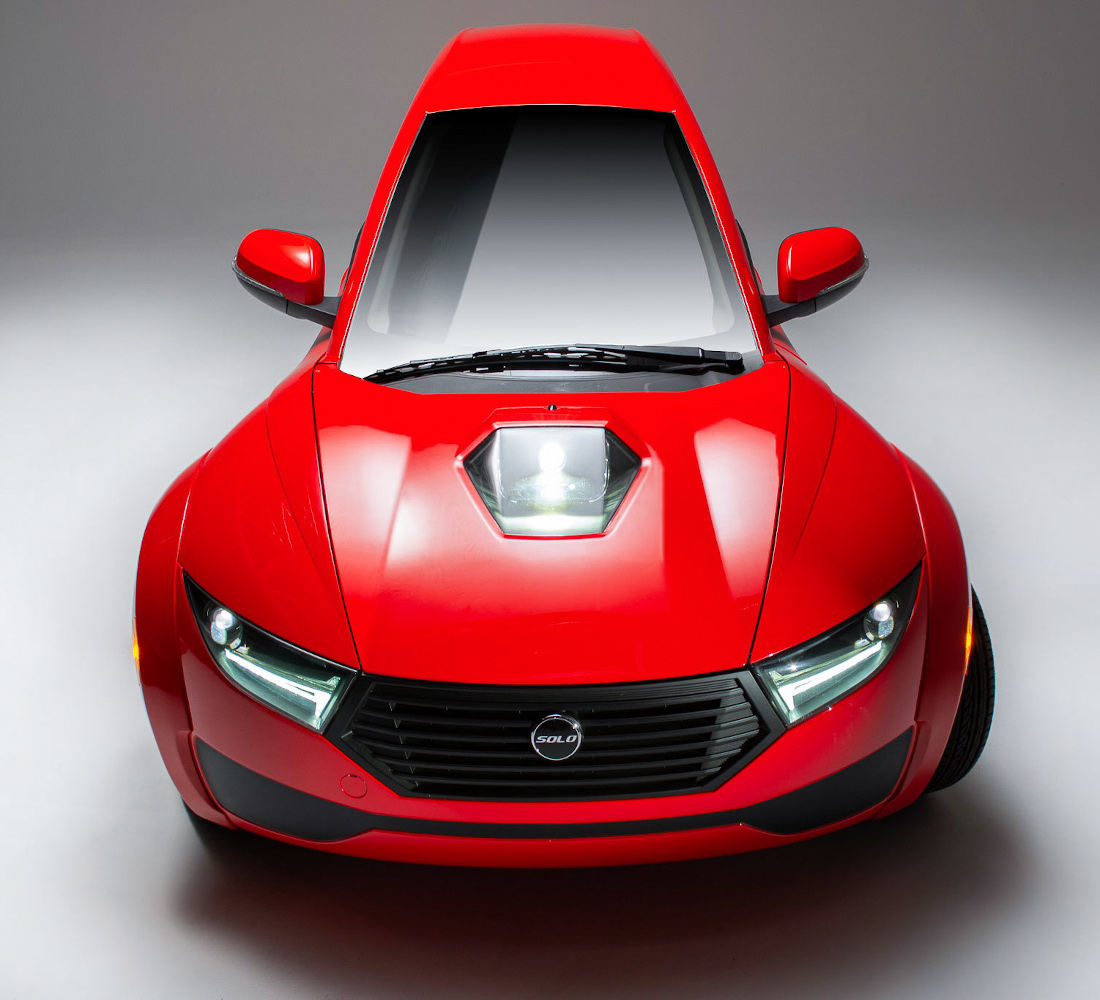
The Electrameccanica Solo three-wheeler car.
Along the way is it possible that the very form factor of an automobile will change, or will cars in decades hence have the same basic shape as those we’re used to? The Canadian company Electrameccanica certainly think so, because they’ve launched a refreshingly different take on commuter transport for one. Their Solo is a three-wheeler car, with two wheels at the front and one trailing wheel at the back configuration. It’s a bold design, but if it’s such an obvious one then why don’t we drive three-wheelers already?
It’s time to examine a few of the properties of a three-wheeler, and along the way visit some of the past attempts at this configuration.
In the race toward a future free from fossil fuels, hydrogen is rapidly gaining ground. On paper, hydrogen sounds fantastic — it’s clean-burning with zero emissions, the refuel time is much faster than electric, and hydrogen-fueled vehicles can go longer distances between refuels than their outlet-dependent brethren.
The reality is that hydrogen vehicles usually need fuel cells to convert hydrogen and oxygen into electricity. They also need pressurized tanks to store the gases and pumps for refueling, all of which adds weight, takes up space, and increases the explosive potential of the system.
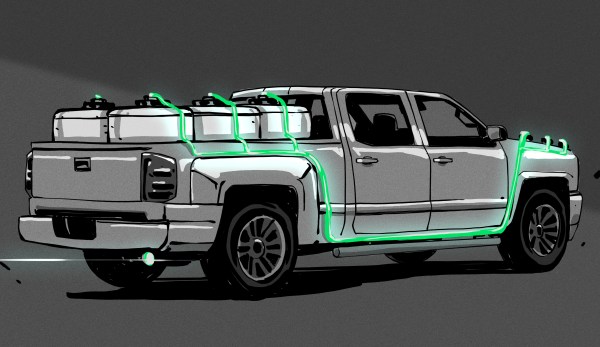
Kurt Koehler has a better idea: make the hydrogen on demand, in the vehicle, using a solid catalyst and a simple chemical reaction. Koehler is the founder of Indiana-based startup AlGalCo — Aluminium Gallium Company. After fourteen years of R&D and five iterations of his system, the idea is really starting to float. Beginning this summer, these pucks are going to power a few trucks in a town just outside of Indianapolis.