In my youth I worked for a paid ambulance service, and while we all lived for the emergency calls, the routine transports were the calls that paid the bills. Compared with the glamor and excitement of a lights-and-siren run to a car wreck or heart attack, transports were dull as dirt. And dullest of all were the daily runs from nursing homes to the dialysis center, where rows of comfy chairs sat, each before a refrigerator-sized machine designed to filter the blood of a patient in renal failure, giving them another few days of life.
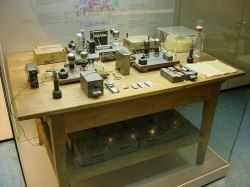
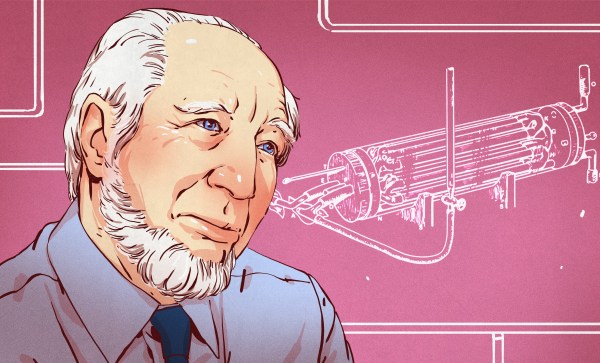
Sadly, most of those patients were doomed; many were in need of a kidney transplant for which there was no suitable donor, while some were simply not candidates for transplantation. Dialysis was literally all that stood between them and a slow, painful death, and I could see that at least some of them were cheered by the sight of the waiting dialysis machine. The principles of how the kidneys work have been known since at least the 1800s, but it would take until 1945 for the efforts of a Dutch doctor, using used car parts and sausage casings, to make the predecessor of those machines: the first artificial kidney.

![Czech waste management workers dismantle scrap washing machines. Tormale [CC BY-SA 3.0].](https://hackaday.com/wp-content/uploads/2019/10/1280px-DVO_4792.jpg)