Hackaday Editors Mike Szczys and Elliot Williams opine on the coolest hacks we saw this week. This episode is heavy with 3D printing as Prusa released a new, smaller printer, printed gearboxes continue to impress us with their power and design, hoverboards are turned into tanks, and researchers suggest you pour used coffee grounds into your prints. Don’t throw out those “toy” computers, they may be hiding vintage processors. And we have a pair of fantastic articles that cover the rise and fall of forest fire watchtowers, and raise the question of where all those wind turbine blades will go when we’re done with them.
Take a look at the links below if you want to follow along, and as always tell us what you think about this episode in the comments!
Take a look at the links below if you want to follow along, and as always, tell us what you think about this episode in the comments!
Direct download (60 MB or so.)
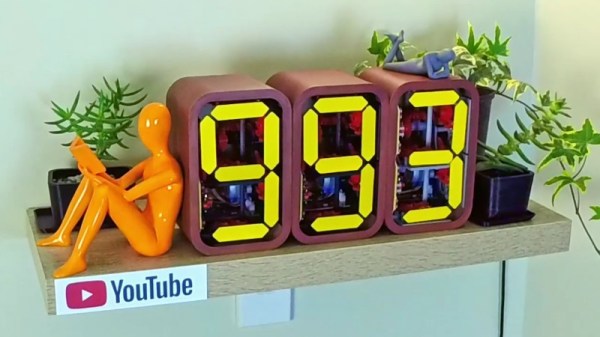
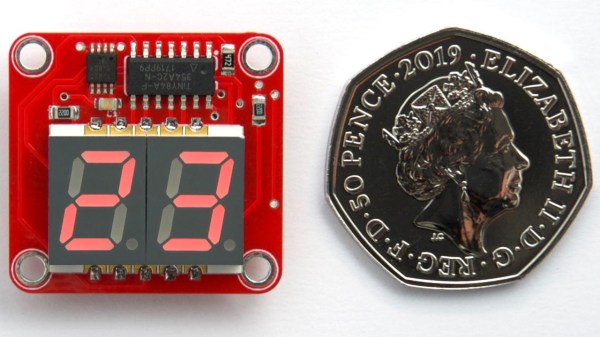
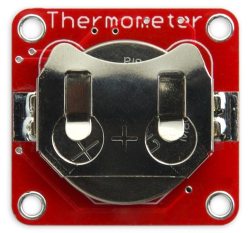 You may think that a display that flashes only once every 24 seconds might be difficult to actually read in practice, and you’d be right. [David] found that it was indeed impractical to watch the display, waiting an unknown amount of time to read some briefly-flashed surprise numbers. To solve this problem, the decimal points flash shortly before the temperature appears. This countdown alerts the viewer to an incoming display, at the cost of a virtually negligible increase to the current consumption.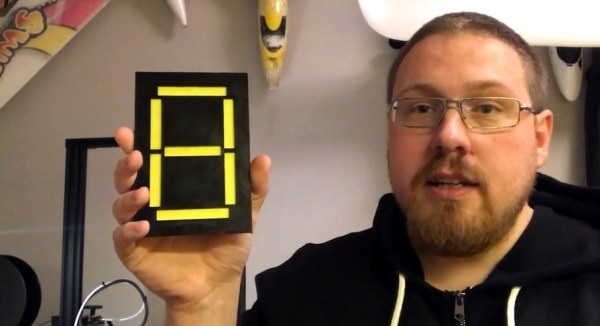
 We find the nomenclature of these displays to be a bit confusing so let’s do a quick rundown. You may be most familiar with flip-dot displays, basically a dot-matrix grid of physical pixels that are black on one side and brightly colored (usually chartreuse) on the other. We saw