I recently found myself in the market for a few IP cameras to keep an eye on my Prusa 3D printers, and quickly found that the options on the market weren’t exactly ideal. Prusa does offer up an official camera, but the price for a pair of them was a bit more than I wanted to spend on the project. Conversely, there’s no shortage of cheap network-connected cameras available online, but they come with expenses of a different sort, namely proprietary software and cloud services I didn’t want or need.
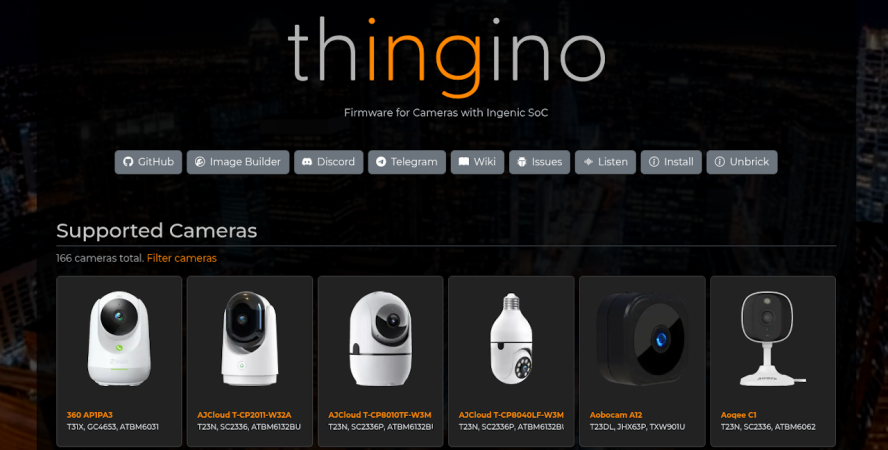
Somewhere in the deep and dark recesses of this particular rabbit hole, I came across a Reddit post mentioning how a camera running the community-developed Thingino firmware could be plugged into Prusa’s remote printer monitoring scheme. It wasn’t a project I’d heard of previously, and sure enough, a search of the Hackaday back catalog showed we’d never come across it before.
My interest was already piqued, but the discovery that I already owned a supported camera sealed the deal. It was time to explore a new entry in one of my absolute favorite project categories: an open source replacement firmware that turns a cheap consumer device into something more than the sum of its parts.
Continue reading “Thingino Teaches Cheap IP Cameras New Tricks”

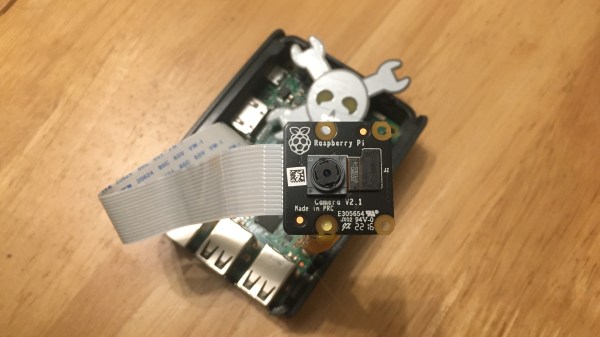
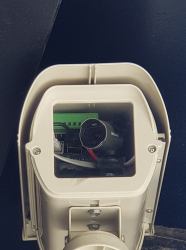 Five years later, I joined a hackerspace, and eventually found out that its CCTV cameras, while being quite visually prominent, stopped functioning a long time ago. At that point, I was in a position to do something about it, and I built an entire CCTV network around a software package called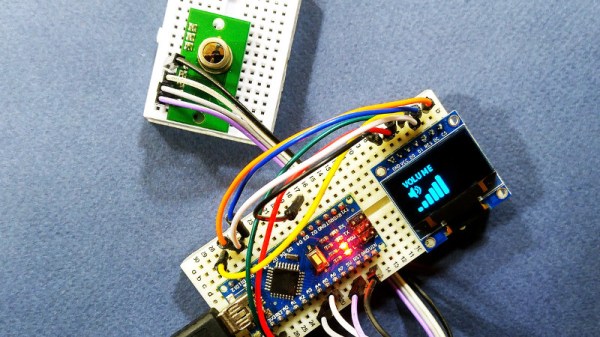
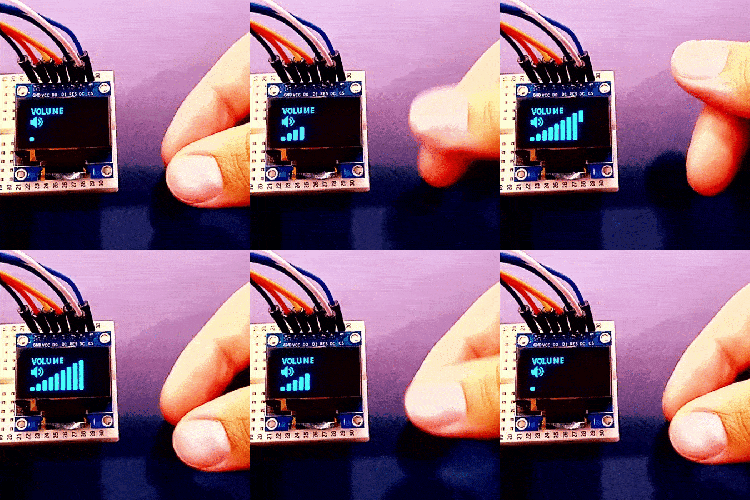 The project uses the TPA81 8-pixel thermopile array which detects the change in heat levels from 8 adjacent points. An Arduino reads these temperature points over I2C and then a simple thresholding function is used to detect the movement of the fingers. These movements are then used to do a number of things including turn the volume up or down as shown in the image alongside.