On October 4th Hackaday is celebrating our 10th anniversary. We’ll be hosting a live event in Pasadena that day which includes some hardware hacking, some workshops, a mini-conference, and a party. Details to follow on most of this, but we are putting out a call for proposals to those who would like to present a talk at the mini-conference. We plan to record the talks, workshops, and events so that those unable to attend can also enjoy the festivities.
The mini-conference will be about 3 hours long on the afternoon of Saturday, 10/4. We are looking for approximately four talks on topics interesting to the Hackaday community. These will be no more than 20-minutes in length with a short Q&A after.
In addition to the talks we will invite a limited number of hackers to give 7-minute lightning presentations on hardware projects they bring with them to the event.
Talk Proposals
Please email your proposal of no more than 350 words to conference -at- hackaday.com. Preference will be given to speakers who are able to be at the event in person. Exceptional presentations given via video-chat will also be considered. Talk proposals should be submitted before Friday, August 22nd. Please specify whether you will present in person or via video.
Hardware Project Lightning Talks
Please email your proposal of no more than 350 words to conference -at- hackaday.com. Your proposal should mention what stage of development/operation your hardware is currently in. Lighting talks must be presented in person.
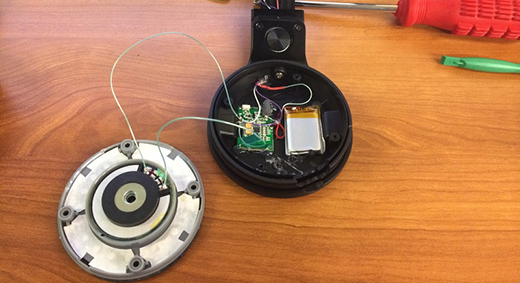
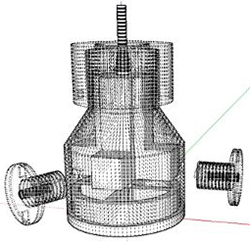 Building electronics with 3D printers is something we see hitting the tip line from time to time, but usually these are printed circuits, not electromechanical parts like motors, solenoids, and relays. [pitrack] thought he could do better than printing out a few blinking LED circuits and
  Late last year at a craft show, [hahabird] and a friend came across a laser-cut Spirograph and they both had a go at it. After mocking his friend’s lack of fine motor skills, [hahabird] was struck with the idea of making
 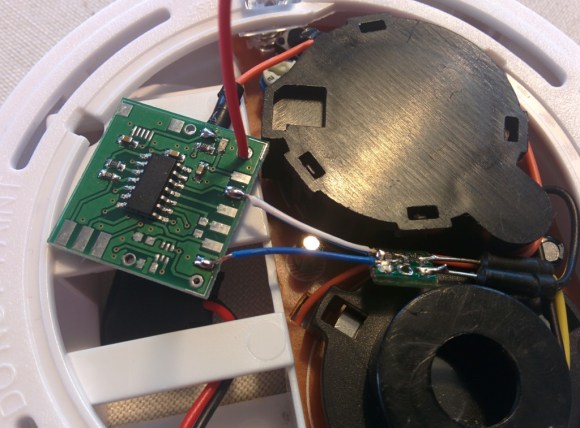 A faulty wire, a discarded burning cigarette, or a left-on curling iron can trigger sparks of fire to engulf everything nearby until all that’s left is brittle mounds of smoldering ash. Which is why smoke detectors are so important. They are life saving devices that can wake people up sleeping inside, well before the silent, but deadly carbon monoxide starts to kick in. But what happens if no one is home, and the alarm begins to blare? The place burns down into the ground without the owners knowing.