Why We Mod


[Codejunkie] has written up a great explanation as to why we mod. He’s specifically talking about the Sony PSP, but many of the points he makes carry over to any modding. Though the “why” question may seem like a no brainer to most of us, we do hear it a lot. We strongly suggest you take a few moments to read his article.

Who hasn’t been asked this question? We all have different reasons to mod things. Some people do it to make improvements, some people do it just for the fun. He lists some of the more practical reasons and makes some insightful comparisons.

For example, he likens some modding to making personalizations to your car. Has anybody asked why you put a custom shifter knob on? No, because we are used to this, just as they are used to being locked out of their electronics. He also talks about products that are crippled from the factory. We’ve covered this situation on Hack a Day before. Is it wrong for you to want your product to function to its built in potential?

He covers a few thoughts on homebrewing software for the PSP as well. There’s no reasonable explanation for why you shouldn’t have full control over something you own.

PSP L2/R2 Button Mod


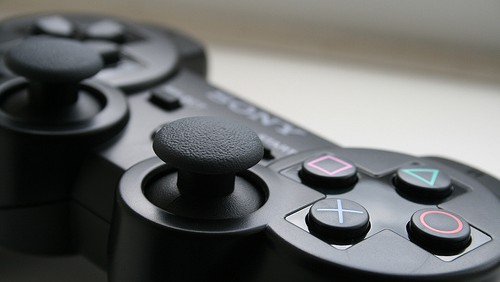
This is quickly becoming an unintentional “game controller Saturday”. We haven’t been covering the PSP much lately, so this is a treat. AcidMods forum member [Electro] put together a quick guide for adding two missing shoulder buttons to the PSP. The L2 and R2 buttons are used while playing Playstation 1 games and are usually mapped to directions on the joystick. This mod jumps the joystick’s contacts an relocates the buttons to the shoulders. The switches used in the post seem kind of bulky, but you’re free to use anything that fits.

[via Engadget]

Sony XEL-1 OLED Teardown


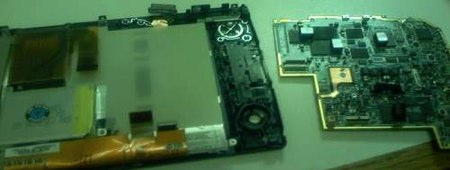
[bunnie] just happened to be at the Embedded Systems Conference in San Jose on exactly the right day to witness the live teardown of a Sony XEL-1 OLED TV. The XEL-1 is Sony’s flagship OLED panel that’s only 3mm thick… and $2500 for just an 11-inch screen. [bunnie] was able to take quite a few shots of the components as they were passed around. He pointed out a few interesting bits about the construction. There seems to be quite a bit of thermal material on the display to prevent “avalanche thermal failures” (which I’m guessing doesn’t look as cool as it sounds). OLED displays are completely transparent and their legendary contrast ratio is just a result of the dark backing material. The mainboard seems to be a bit of overkill for this TV and [bunnie] concludes that it’s just the standard image engine architecture from Sony’s Bravia line put into a smaller package.

3D Video With Consumer Cameras


While perusing our photos from the Hooptyrides, Inc. tour you may have noticed [Eric Kurland]’s two handed stereoscopy rig. It’s constructed from two consumer grade Sony DV cameras. The problem with using two separate cameras to make stereo images or video is that a lack of clock sync will make objects appear out of their true position because of differences in framerate. To solve this problem Damir Vran?i? developed the 3D LANC Master. It reads the crystal frequency from one of the cameras and writes to the ram of the other camera using Sony’s LANC protocol. This constant monitoring keeps the clocks within +/- 3ms. The control box also has buttons to power on, zoom, and record in sync. The 3D LANC Master plans are completely open source and work with a large number of Sony cameras. We have more photos of Eric’s rig after the break.

Continue reading “3D Video With Consumer Cameras”