
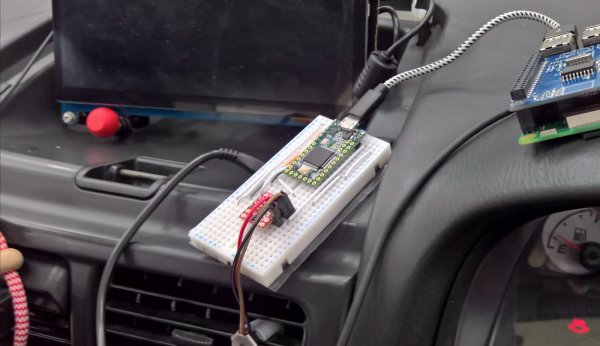
While cars are slowing becoming completely computer-controlled, road vehicles have been relying on computers since the 1970’s. The first automotive use of computers was in engine control units (ECUs) which came along as fuel injection systems started to replace carburetors.
[P1kachu]’s 1997 Subaru Impreza STi, like most cars of this vintage, uses an ECU and provides a diagnostic connector for external communications. [P1kachu]’s Subaru hacking project includes building a diagnostic interface device, dumping the ECU’s firmware, and reverse engineering the binary to understand and disable the speed limiter. If this looks familiar, it’s because we just covered the infotainment hacks in this car on Saturday. But he added information about the communications protocols is definitely worth another look.
This era of Subaru uses a non-standard diagnostics protocol called SSM1, which is essentially a 5 volt TTL serial line running at 1953 bits per second. The custom interface consists of a Teensy and a 3.3V to 5V level shifter. Once connected, commands can be sent directly to the ECU. Fortunately, the protocol has been quite well documented in the past. By issuing the “Read data from ECU address” command repeatedly, the full firmware can be dumped.
[P1kachu] goes on to locate the various engine tuning maps and discover the inner workings of the speed limiter. With cars getting more computerized, it’s nice to see folks are still able to tune their rides, even if it means using Teensys instead of wrenches.
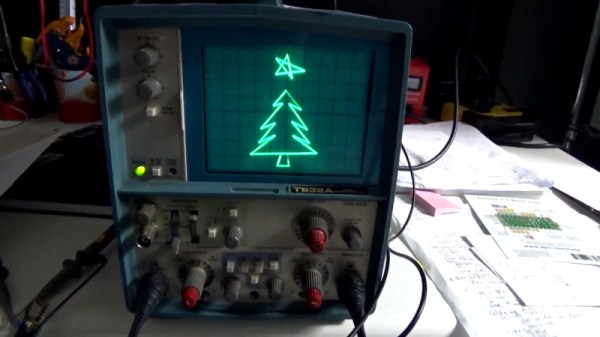
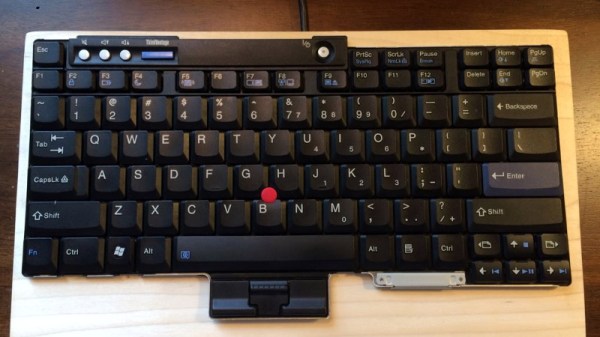
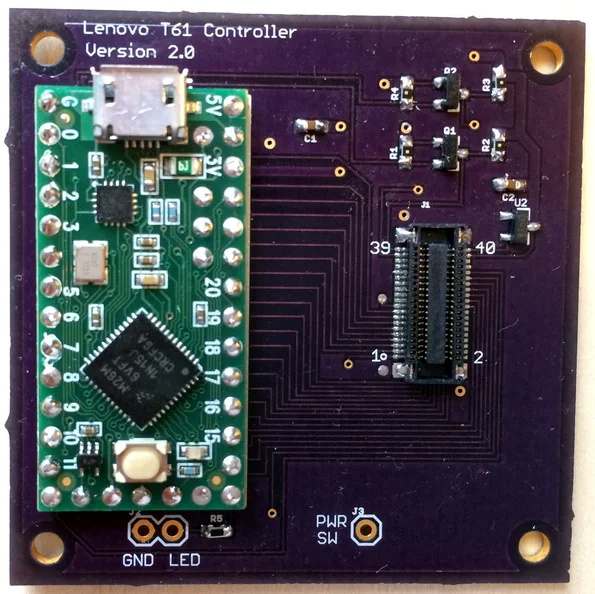
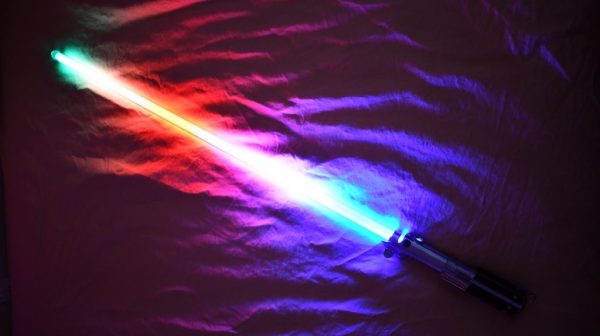
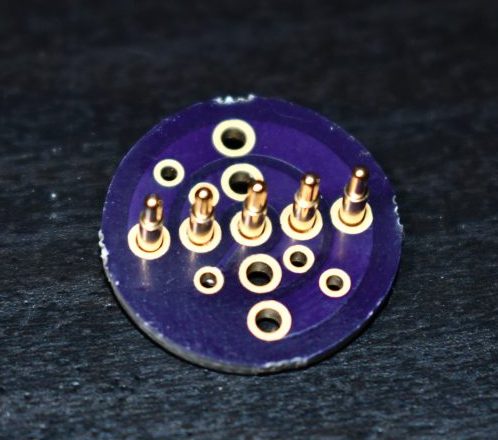
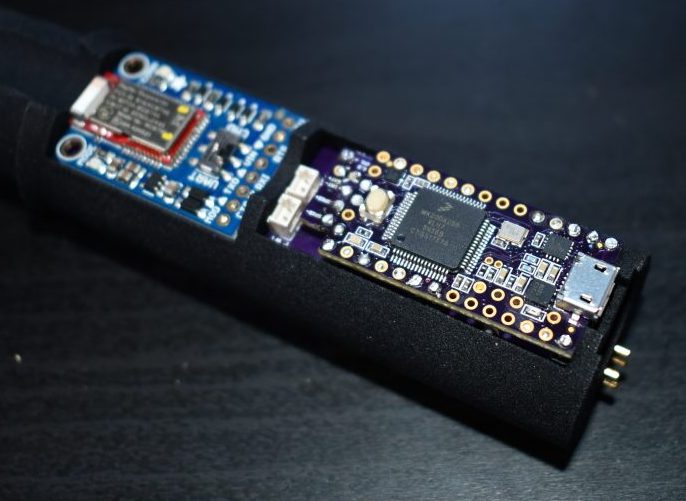 The hilt is filled with an assembly of 18650’s and a Teensy mounted with a custom shield, all fit inside a printed midframe. The whole build is all about robust design that’s easy to assemble. The main board is book-ended by perpendicular PCBs mounted to the ends, one at the top to connect to the blade and one at the bottom to connect to a speaker. Towards the bottom there is space for an optional Bluetooth radio to allow remote RGB control.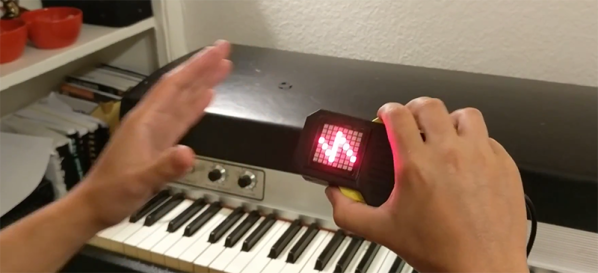
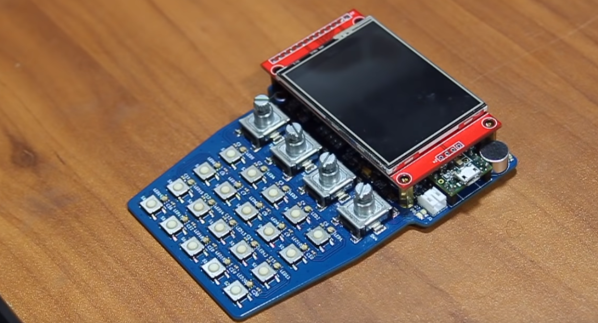
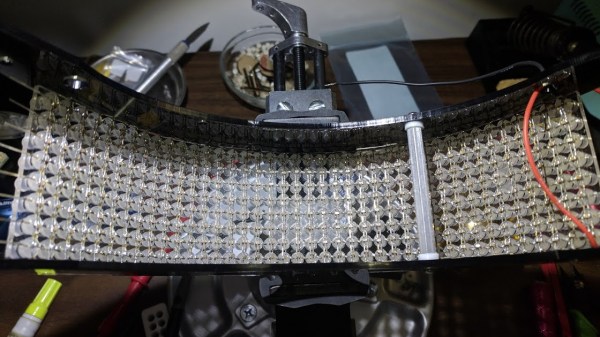
 The iconic robot helmets of Daft Punk feature prominently as challenging DIY hardware projects in their own right, and the results never disappoint. But [Nathaniel Stepp]’s
 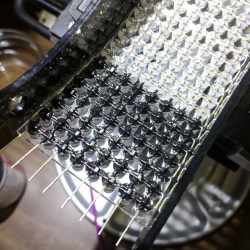 After the whole array was assembled and working, the back of each LED appears to have then been carefully coated in what looks like Plasti-Dip in order to block light, probably to minimize the blinding of the wearer. A small amount of space between each LED allows the eyeballs inside the helmet to see past the light show in the visor.







