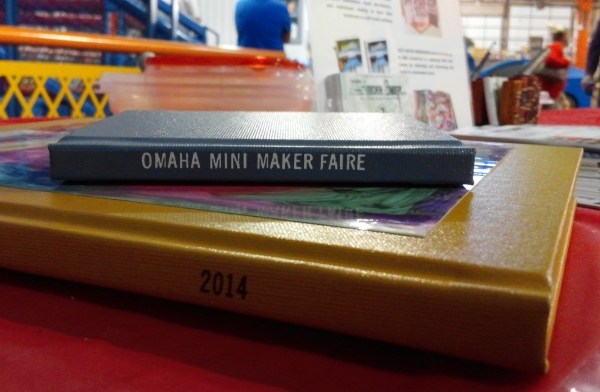
If you ask me, Omaha’s first annual Mini Maker Faire was a rousing success. I think that the Faire’s coordinator, [Eric] of Omaha Maker Group would readily agree.The event was held at the Omaha Children’s Museum, an energetic and colorful backdrop for the 30 makers who were on hand to present their creations.
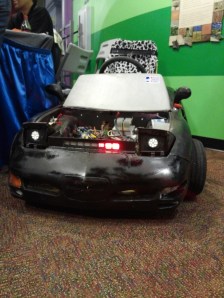 The representatives of the [Omaha Maker Group] had a total of three booths. One of them displayed the various fantastic things that have come out of their ‘space, which we will cover in an upcoming post. They brought the PiPhone that I told you about in my Kansas City Maker Faire post, and [Foamyguy] found a melodic easter egg hidden in the menu. [OMG] also brought their solar-powered EL wire logo sign, a quadcopter, a giant brushbot, a hexapod, a cigar box guitar, a really fun marble run, a steampunk Barbie, and KITT, their award-winning Power Racing Series car. And yeah, you bet it has a Larson scanner.
At their second booth, Fairegoers were constructing their own regular-size brushbots using 3D-printed chassis. These were specially designed to accommodate the toothbrush heads, pager motors, and CR2032s they brought to share. [Sarah] of [OMG] had her own popular booth and was showing off her costumes, clay creations, and jewelry.

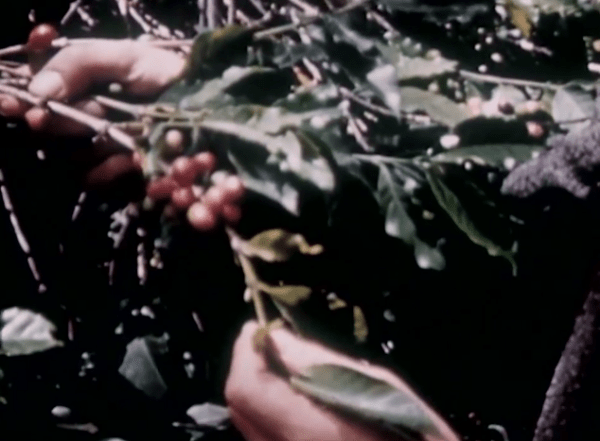
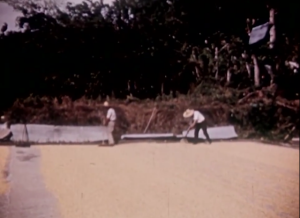 The day’s harvest is collected, weighed, and bagged for further production. The fruits are crushed to remove each bean from its red jacket. Then, the beans are washed and spread out in the sun for 8-10 days. They are frequently rotated so they dry evenly. The dried coffee is packed in bags and sent into the city.
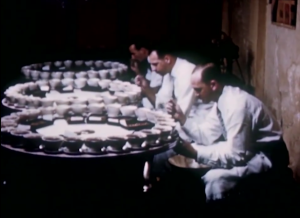
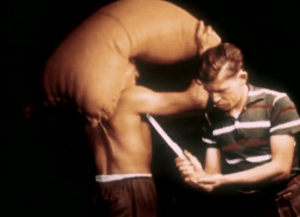 At a warehouse, the coffee is inspected, sorted, and graded. Bags are stamped with the coffee’s country of origin and intended destination before going to the seaport. A very important step happens here. As each bag walks by on the shoulders of a worker, another guy stabs it to get a sample of the beans. The on-site A&P officials take over at this point and do their own inspections, sending samples to the US. Here, the coffees are roasted and taste tested for both strength and flavor from a giant lazy Susan full of porcelain cups.