An In-Depth Look At Dexter, The Robotic Arm

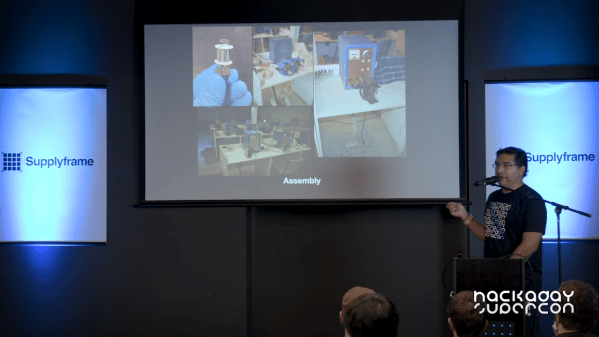
Dexter, a really great robot arm project, just won top honors in the 2018 Hackaday Prize, and walked away with $50,000 toward continuing their project. As a hat tip to Hackaday and the community, Haddington Dynamics, the company behind Dexter, agreed to open-source their newest version of Dexter as well. As James Newton said when accepting the trophy during the award ceremony, “because of your faith in us, because of this award, we have been moved to open-source the next generation of Dexter.” Some very clever work went into producing Dexter, and we can’t wait to see what further refinements have been made!

Dexter isn’t the only robotic arm in town, by any means. But in terms of hobbyist-level robotics, it’s by far the most complete robot arm that we’ve seen, and it includes a couple of design features that make both its positional accuracy and overall usability stand out above the rest. This is a robot arm with many of the bells and whistles of a hundred-thousand dollar robot, but on a couple-thousand dollar budget. Continue reading “An In-Depth Look At Dexter, The Robotic Arm”

Hackaday Meetup At Electronica: Thursday

Hackaday’s parent company Supplyframe is at Electronica in Munich this week — booth C5-223. On Thursday from 16:00 – 18:00, they’ll be hosting a Hackaday Happy Hour, with a beer and coffee bar, for everyone in the Hackaday community. They’d love to see you and hear what you’re working on, be it for your day job or your night job.

If you missed the #badgelife exhibit at Supercon, it’s here at Electronica. There will also be some of those mysterious cubes you may have heard about. Richard Hogben and Bogdan Rosu will be DJing fresh beats. Stop by and say hi to [Sophi Kravitz], [Majenta Strongheart], [Alek Bradic], and everyone else from the Supplyframe team.

Hackaday’s own [Elliot Williams] will also be wandering around Electronica Wednesday afternoon. He can’t promise free beer, but if you want to crawl around Electronica with [Elliot], meet up at the Supplyframe booth at 14:30 on Wednesday.

Apple 1 Emulator Is A Perfect Fit For Supercon Badge

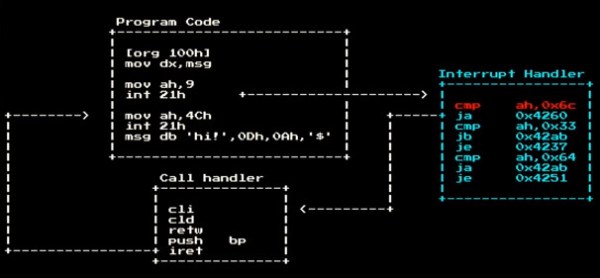
Supercon badge hackers had to be ready to present their show-and-tell by 6 pm Sunday evening. This ruthless unmoving deadline meant every badge hack on stage represents an accomplishment in time management, and some luck, in addition to their own technical merits. But that deadline also meant a few fantastic projects lost their race against the clock. We were rooting for [Jac Goudsmit] to build an Apple I emulator as his badge expansion, but he wasn’t quite done when our badge hack ceremony began. After Supercon he went home, finished the project, and documented everything in a detailed writeup.

Our 2018 Supercon badge is built on a retro-computing theme, and the default firmware came with a BASIC interpreter as well as a Z80 emulator running CP/M. So an Apple 1 emulator should feel right home with its contemporaries. Mechanically speaking, all the parts were a tight fit on the badge expansion board given out to every attendee at Supercon. So tightly that [Jac] had to file down the two main chips in order to fit them side by side. The breadboard-like pattern of connected holes on the expansion board, intended to help ease in beginners for their badge hack soldering, proved to be an inconvenience in tightly packed arrangements such as this.

With all the work [Jac] had invested, it was heartbreaking to know he was only five minutes of soldering and 30 minutes of coding away when time ran out. Time pressure was part of the challenge faced by every Supercon badge hacker, and while we’re sad [Jac] missed the deadline for stage time we’re happy to see him finish and write it all up. We hope every badge hacker would write up their stories of frantic weekend projects. Those who do so on hackaday.io are encouraged to tag their project with “Supercon” and get them added to our list of badge hacks for everyone to admire.

Sprite_TM’s Magic Paintbrush

When it comes to hackers we love, there’s no better example than Jeroen Domburg, a.k.a. Sprite_TM. Sprite’s now working for Espressif, makers of the fantastic ESP8266 and ESP32, where he created a miniature Game Boy and turned this PocketSprite into a real product. He’s installed Linux on a hard drive, and created a Matrix of virtualized Tamagotchis. In short, if you’re looking for someone who’s building the coolest, most technical thing of sometimes questionable utility, you need look no further than Sprite_tm.

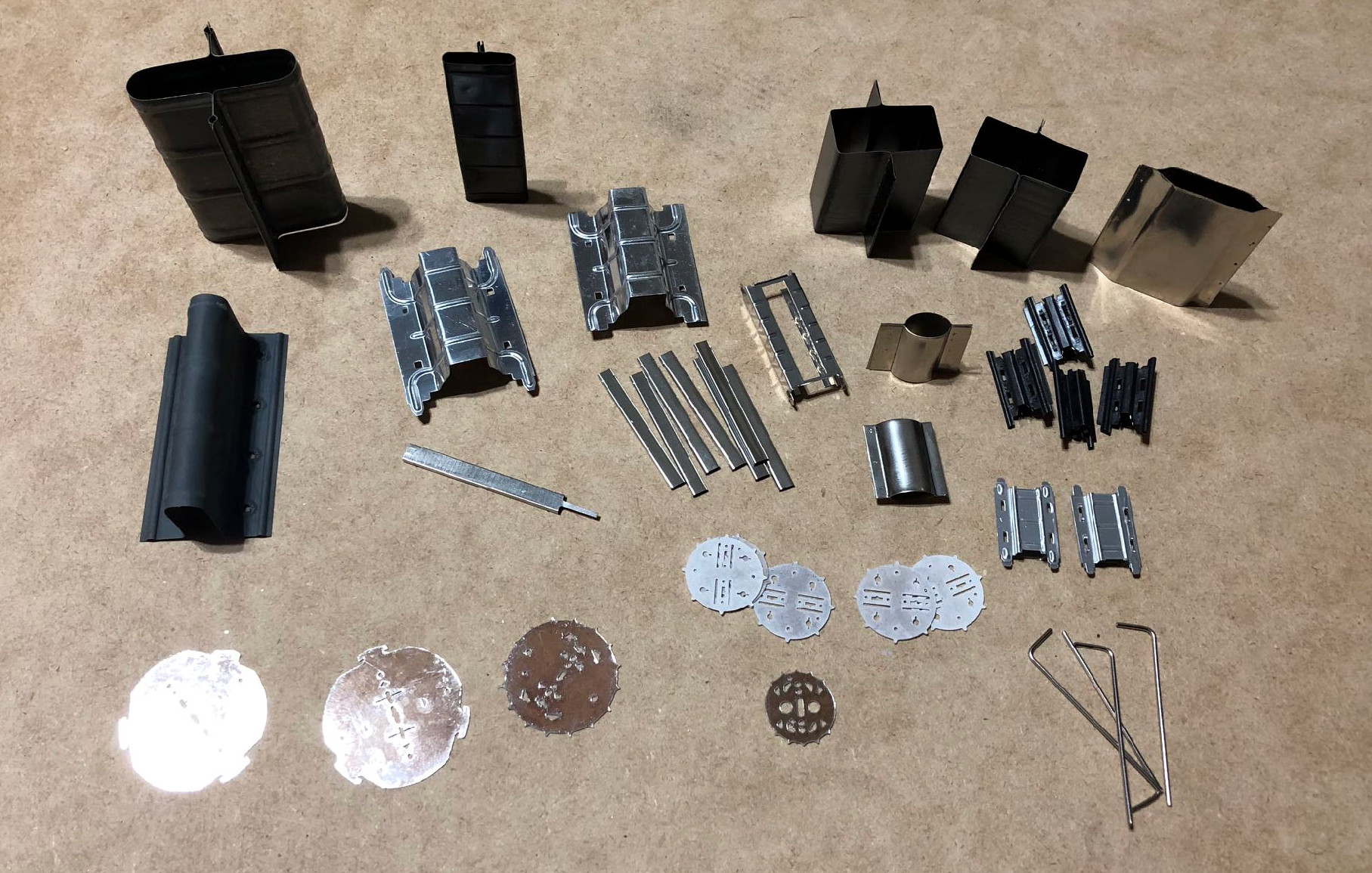
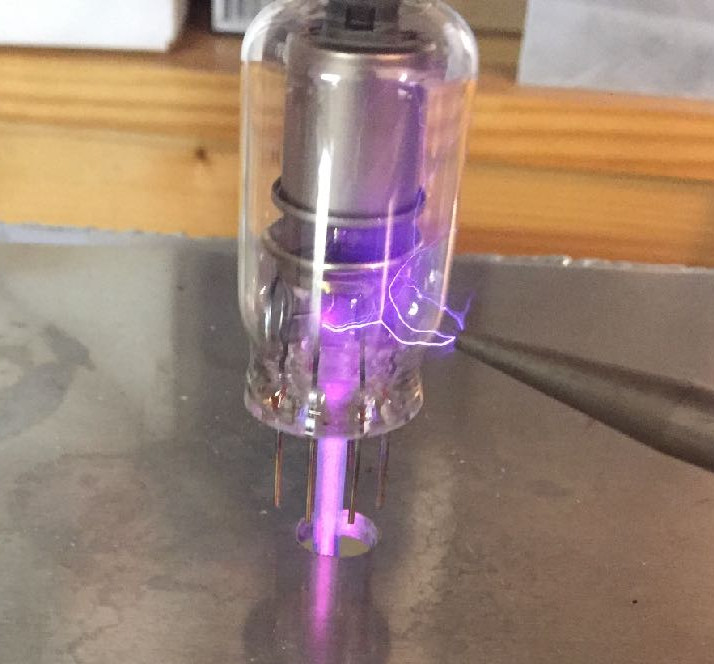
Sprite was back at this year’s Superconference, and again he’s bringing out the big guns with awesome hardware hacks. This time, though, Sprite is tapping into his artistic side. Sprite is very accomplished in making PCB art and DaveCAD drawings, but actual art is something that’s been out of reach. No problem, because you can just buy an inkjet printer and make your own art. Sprite’s doing something different, and he’s turning his inkjet into a Magic Paintbrush.

Continue reading “Sprite_TM’s Magic Paintbrush”

It Happened At Supercon: Six Days Of Fun In A Three Day Con

A weekend for people who love hardware, by people who love hardware. It’s a simple recipe and it makes a delicious event that we call the Hackaday Superconference. If you made it to Pasadena last weekend, I’m sure going back to work on Monday was difficult after three days of far too little sleep and way too much fun. (It was for me.) If you didn’t make it to the con, set a reminder for July 1st to start watching for next year’s early bird tickets. Don’t believe me? Okay, let’s step through the hype of a weekend we’ll all remember.

Check out the recap video above and then join me after the break for a photo-heavy expose of the weekend’s highlights.

Continue reading “It Happened At Supercon: Six Days Of Fun In A Three Day Con”

Supercon Badge Hackers Racing The Clock

At the end of Hackaday Superconference weekend, we hold a badge hacking ceremony on the main stage where anyone who has done anything with their badge is invited to come on stage and show off their work. Yes, even if it’s just a blinking LED! It was a tremendous pleasure to see not only people taking us at our word and presented blinking LEDs, but that the community in the room welcomed these inductees to hardware hacking with cheers. Before the ceremony, though, there was a lot of frantic work by badge hackers armed with soldering irons and fueled by caffeine. It’s always amazing how much people can accomplish in a single focused weekend.

Continue reading “Supercon Badge Hackers Racing The Clock”

Green LED Means GO For Supercon Badge Hacking

In addition to great speakers and enlightening workshops at Supercon, we have an area set aside for attendees to hack on their conference badges. There is no prerequisite beyond having a badge and a willingness to get hands-on. From hardware beginners to professional embedded system developers, we welcome all skill levels!

The image above is a free-form LED light sculpture by [4C1dBurn], who had just learned to solder and this is how a new skill was put into practice. In the background is the badge hacking arena: 7 tables set up in a row with 6 seats per table. The doors opened at 9AM and almost all the seats were filled by 9:30AM. There’s a constant flow as people leave to attend a talk or workshop, and others arrive to fill the vacancy.

In our hardware hacking overview, we shared an example of an LED array controlled by badge using shift registers. Several badge hackers built on top of this idea. [X] is making a version for surface mount LEDs, and [macegr]’s variant incorporated an USB-to-serial adapter on board to reduce wire clutter. He calls it a “quality of life improvement” and we think it’s brilliant.

Any reduction in wire clutter can only help with the many glorious explosions of wires scattered about. This particular example is a work-in-progress by [carfucar] turning a badge into wireless remote for a large array of WS2812B LED strips.

Heeding our call to action in the hardware hacking overview, there are at least two efforts underway to add wireless communication capability to the badge. [Preston] is making good progress teaching a badge to talk to an AVR-IoT module. [morgan] and [Ben] are building a mesh network using ESP32s. If it gets up and running, they’ve brought a bunch of ESP32s to add more nodes to their network.

For the talks currently on stage, go to the Supercon event page and click “Livestream” in the upper right corner for the official live stream. Badge hacking will continue all through Supercon, parts of which will be visible through unofficial livestream of badge hacking from attendees like [X]’s robot [Sharon].