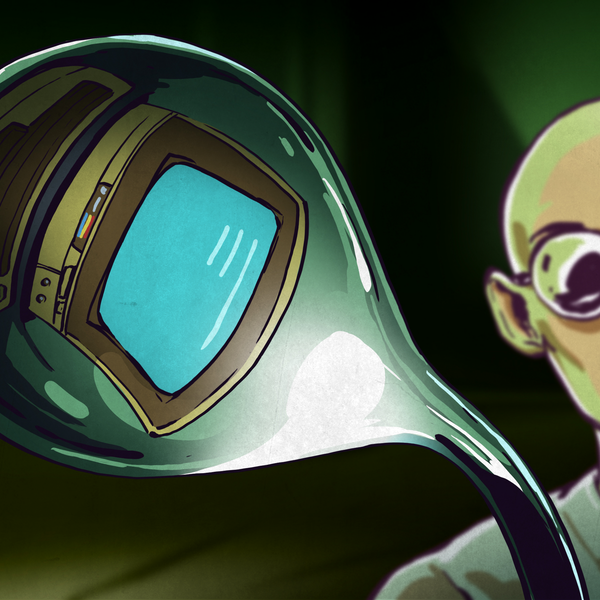
What would you do if you suddenly went blind and could never again see the sun set? How would you again experience this often breathtaking phenomenon? One answer is music, orchestrated by the sun and the Weather Warlock.
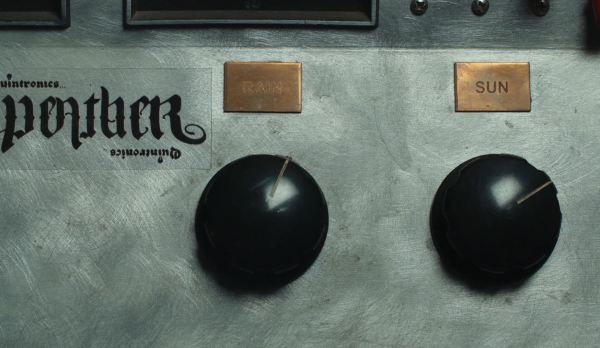
Built by the musician [Quintron] (builder and inventor of insane electronic instruments), the Weather Warlock is an analog synthesizer controlled by — you guessed it — the weather. It translates temperature, moisture, wind and sunlight into tones and harmonics with an E major root chord. UV, light, moisture, and temperature sensors combined with an anemometer set up outside feed the weather data to a synthesizer that has [Quintron] dialing knobs and toggling switches. The Weather Warlock steams 24/7 to the website weatherfortheblind.org so that the visually impaired are able to tune in and experience the joy of sunrise and sunset through music. Continue reading “The Music Of A Sunset”

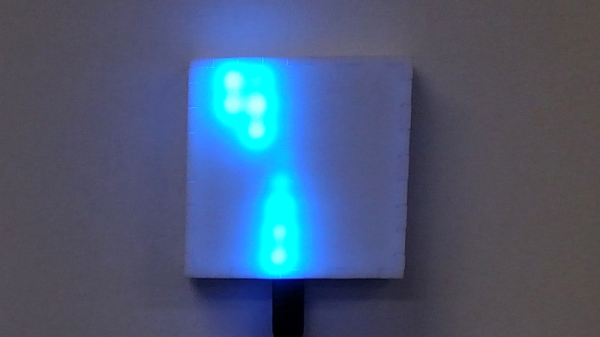
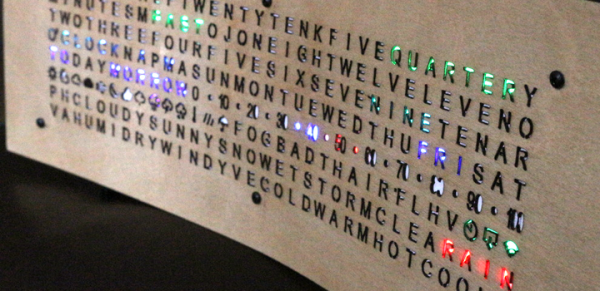
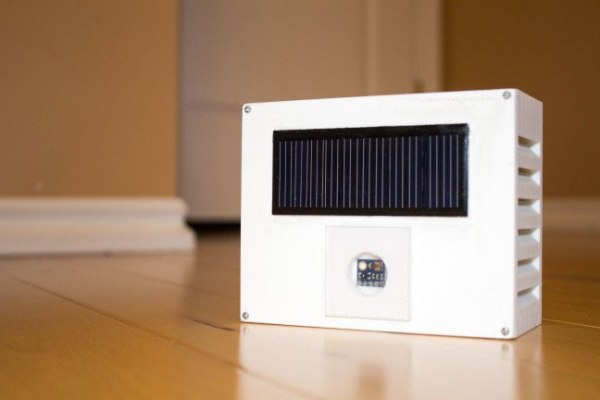

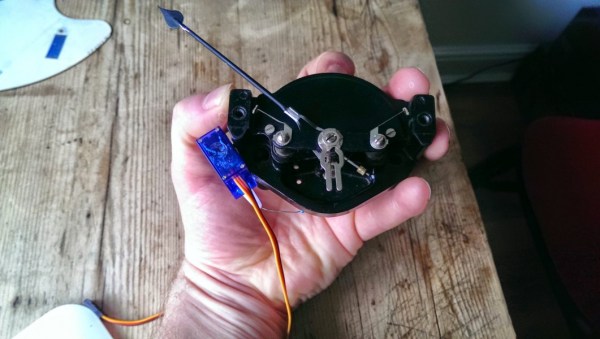
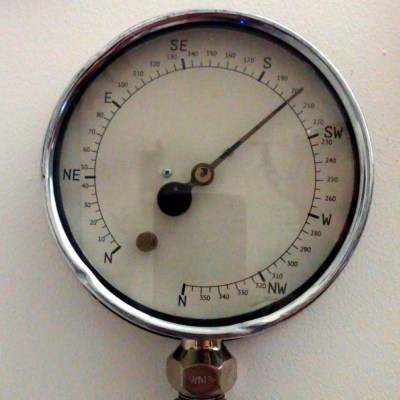 Being an aficionado of big engineering helped [mechanicalsquid] come up with a style for his gauge – big old dials and meters. We hesitate to apply the “steampunk” label to every project that retasks old technology, but it sure looks like a couple of the gauges he used could have been for steam, so the moniker probably fits here. Weather data for favorite kitesurfing and windsurfing locales is scraped from the web and applied to the gauges to indicates wind speed and direction. [mechanicalsquid] made a valiant effort to drive the voltmeter coil directly from the Raspberry Pi, but it was not to be. Servos proved inaccurate, so steppers do the job of moving the needles on both gauges. Check out the nicely detailed build log for this one, too.