Weather Station Gets Much-Needed Upgrades

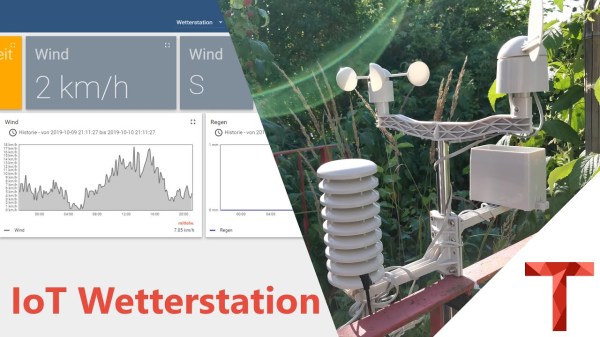
Weather stations are a popular project, partly because it’s helpful (and interesting) to know about the weather at your exact location rather than a forecast that might be vaguely in your zip code. They’re also popular because they’re a good way to get experience with microcontrollers, sensors, I/O, and communications protocols. Your own build may also be easily upgradeable as the years go by, and [Tysonpower] shows us some of the upgrades he’s made to the popular Sparkfun weather station from a few years ago.

The Sparkfun station is a good basis for a build though, it just needs some updates. The first was that the sensor package isn’t readily available though, but some hunting on Aliexpress netted a similar set of sensors from China. A Wemos D1 Mini was used as a replacement controller, and with it all buttoned up and programmed it turns out to be slightly cheaper (and more up-to-date) than the original Sparkfun station.

All of the parts and code for this new station are available on [Tysonpower]’s Github page, and if you want to take a look at a similar station that we’ve featured here before, there’s one from three years ago that’s also solar-powered.

Continue reading “Weather Station Gets Much-Needed Upgrades”

LoRa-Based Plant Monitoring

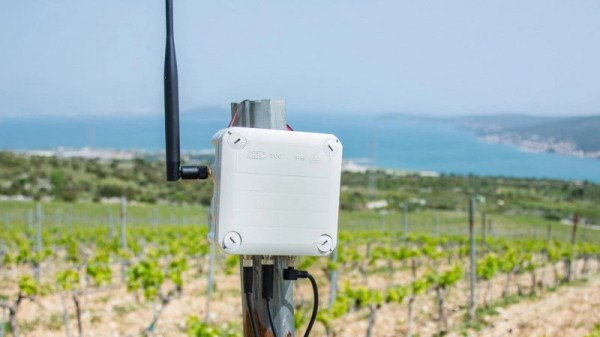
Croatian engineers [Slaven Damjanovic] and [Marko Čalić] have developed a wireless system for farmers to monitor plant conditions and weather along their agricultural fields. The system uses an RFM95W module for LoRa communication, and devices are designed to be plug-and-play, battery-powered, and have long-range communication (up to 10km from the gateway).

It uses an ATMega328 microprocessor, and includes sensors for measuring soil moisture (FC28 sensor), leaf moisture (FC37 sensor), pressure (BME280 sensor), and air temperature and humidity (DHT22 or SHT71 sensor). The data is sent to a multichannel The Things Network  gateway that forwards the information to an external database, which then displays the data through a series of graphs and tables.

The software for sending messages to the gateway is based on the LoRa MAC in C (LMIC) and LowPower libraries and was developed by [ph2lb].

Continue reading “LoRa-Based Plant Monitoring”

Building A Full-Fat Air Quality Monitor

Over the years many people have made an air quality monitor station, usually of some configuration which measures particulates (PM2.5 & PM10). Some will also measure ozone (O3), but very few will meet the requirements that will allow one to calculate the Air Quality Index (AQI) as used by the EPA and other organizations. [Ryan Kinnett]’s project is one of those AQI-capable stations.

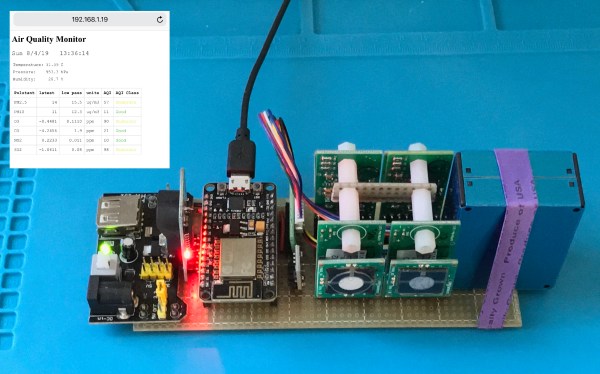
The AQI requires the measurement of the aforementioned PM2.5 (µg/m3), PM10 (µg/m3) and O3 (ppb), but also CO (ppm), SO2 (ppb) and NO2 (ppb), all of which has to be done with specific sensitivities and tolerances. This means getting sensitive enough sensors that are also calibrated. [Ryan] found a company called Spec Sensors who sell sensors which are pretty much perfect for this goal.

Using Spec Sensor’s Ultra-Low Power Sensor Modules (ULPSM) for ozone, nitrogen-dioxide, carbon monoxide and sulfur dioxide, a BME280 for air temperature, pressure and relative humidity, as well as a Plantower PMS5003 laser particle counter and an ADS1115 ADC, a package was created that fit nicely alongside an ESP8266-based NodeMCU board, making for a convenient way to read out these sensors. The total one-off BOM cost is about $250.

The resulting data can be read out and the AQI calculated from them, giving the desired results. Originally [Ryan] had planned to take this sensor package along for a ride around Los Angeles, to get more AQI data than the EPA currently provides, but with the time it takes for the sensors to stabilize and average readings (1 hour) it would take a very long time to get the readings across a large area.

Ideally many of such nodes should be installed in the area, but this would be fairly costly, which raises for [Ryan] the question of how one could take this to the level of the Air Quality Citizen Science project in the LA area. Please leave your thoughts and any tips in the comments.

Stack Of Plant Saucers, Transformed Into Low Cost Solar Shield

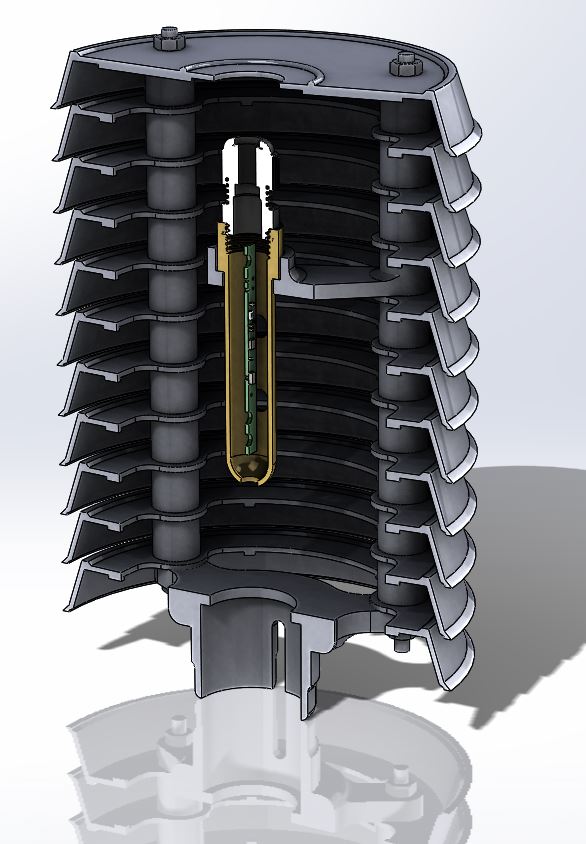
For serious data collection with weather sensors, a solar shield is crucial. The shield protects temperature and humidity sensors from direct sunlight, as well as rain and other inclement weather, without interfering with their operation. [Mare] managed to create an economical and effective shield for under three euros in materials.

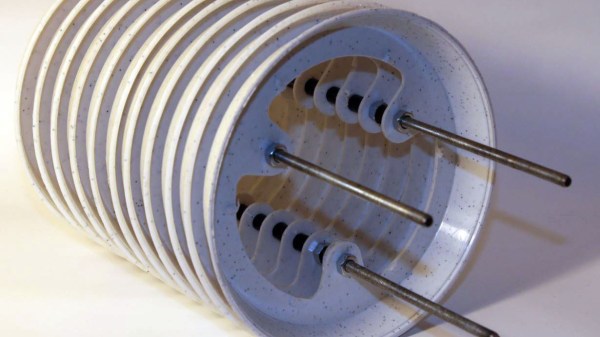
It began with a stack of plastic saucers intended for the bottom of plant pots. Each of these is a lot like a small plate, but with high sides that made them perfect for this application. [Mare] cut the bottom of each saucer out with a small CNC machine, but the cut isn’t critical and a hand tool could also be used.

Three threaded rods, nuts, and some plastic spacers between each saucer yields the assembly you see here. When mounted correctly, the sensors on the inside are protected from direct exposure to the elements while still allowing airflow. As a result, the readings are more accurate and stable, and the sensors last longer.

The top of the shield is the perfect place to mount a UV and ambient light sensor board, and [Mare] has a low-cost DIY solution for that too. The sensor board is covered by a clear glass dish on top that protects the board without interfering with readings, and an o-ring seals the gap.

3D printing is fantastic for creating useful components, and has been instrumental in past weather station builds, but projects like these show not everything needs to be (nor should be) 3D printed.

FiberGrid: An Inexpensive Optical Sensor Framework

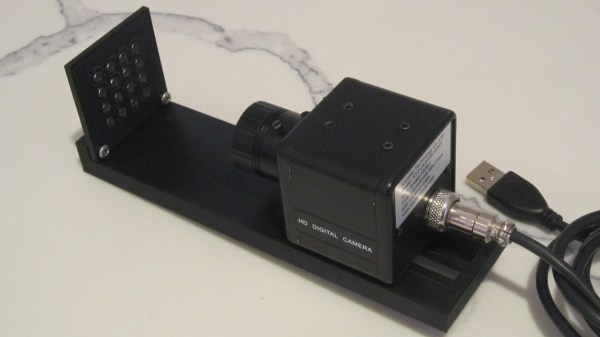
When building robots, or indeed other complex mechanical systems, it’s often the case that more and more limit switches, light gates and sensors are amassed as the project evolves. Each addition brings more IO pin usage, cost, potentially new interfacing requirements and accompanying microcontrollers or ADCs. If you don’t have much electronics experience, that’s not ideal. With this in mind, for a Hackaday prize entry [rand3289] is working on FiberGrid, a clever shortcut for interfacing multiple sensors without complex hardware. It doesn’t completely solve the problems above, but it aims to be a cheap, foolproof way to easily add sensors with minimal hardware needed.

The idea is simple: make your sensors from light gates using fiber optics, feed the ends of the plastic fibers into a grid, then film the grid with a camera. After calibrating the software, built with OpenCV, you can “sample” the sensors through a neat abstraction layer. This approach is easier and cheaper than you might think and makes it very easy to add new sensors.

Naturally, it’s not fantastic for sample rates, unless you want to splash out on a fancy high-framerate camera, and even then you likely have to rely on an OS being able to process the frames in time. It’s also not very compact, but fortunately you can connect quite a few sensors to one camera – up to 216 in [rand3289]’s prototype.

There are many novel uses for this kind of setup, for example, rotation sensors made with polarising filters. We’ve even written about optical flex sensors before.

Bringing Pro-Level Data Recording To RC Racing

We’re all familiar with the “Black Box” used on commercial aircraft, the flight data recorder which captures the minutia of each and every flight on the off-chance that it’s needed in the event of an accident. But even in less dire circumstances, the complete record of the aircraft’s performance versus what was commanded of it by the pilot can be used to fine tune performance or detect faults before they become serious.

As a data engineer for professional motorsports, [Jussi Luopajärvi] knows similar recorders can be just as useful for vehicles stuck here on terra firma. His entry into the 2019 Hackaday Prize, TestLogger, aims to bring that same kind of technology to the world of RC racing. The gadget allows the driver to easily record a wealth of data about the vehicle during races, giving them valuable insight into the vehicle’s performance.

So what kind of variables are there to record on a 1/8th or 1/12th scale car? Don’t be fooled by their diminutive wheelbases, the modern RC car relies on an impressive amount of technical wizardry that benefits from a close eye.

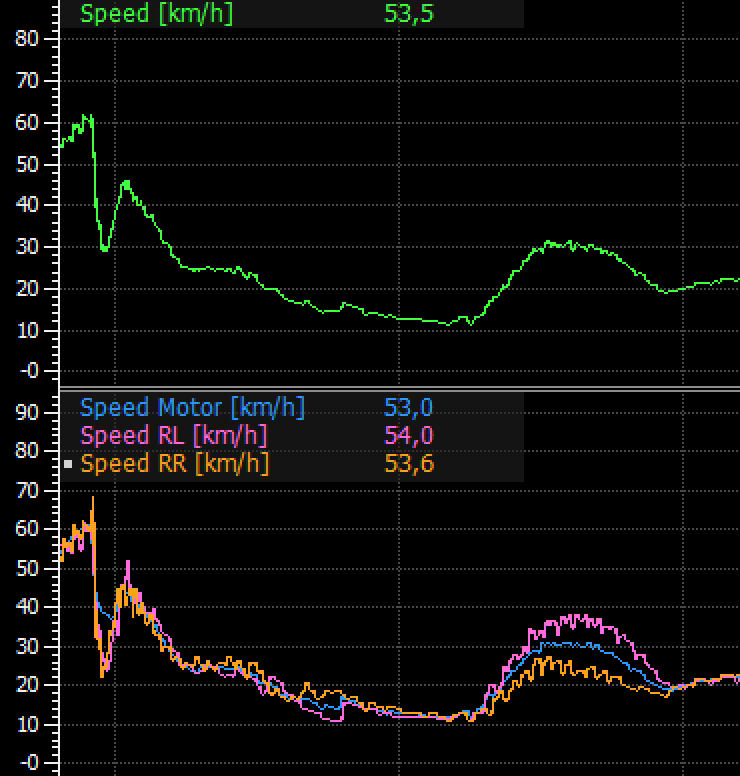
Right now, [Jussi] says TestLogger can record not only obvious elements like battery level and throttle, but also more esoteric variables such as steering input, individual drive wheel speed, angular velocity, and even g-force in three dimensions. There’s also support for a trackside IR beacon that allows TestLogger to record lap times.

All of the data is stored on TestLogger’s SD card in standard CSV files, which makes it easy for us hacker types to parse and analyze. But for those who are more interested in driving than delimiting, there’s also a very slick website that will let users upload and compare their data. This complete user experience gives TestLogger a very professional feel, and we can’t wait to see where [Jussi] takes it from here.

With powerful microcontrollers available for a song, we expect this kind of detailed data collection is only going to become more common.

A Solar-Powered Box Of Sensors To Last 100 Years

It’s a simple goal: build a waterproof box full of environmental sensors that can run continuously for the next century. OK, so maybe it’s not exactly “simple”. But whatever you want to call this epic quest to study and record the planet we call home, [sciencedude1990] has decided to make his mission part of the 2019 Hackaday Prize.

The end goal might be pretty lofty, but we think you’ll agree that the implementation keeps the complexity down to a minimum. Which is important if these solar-powered sensor nodes are to have any chance of going the distance. A number of design decisions have been made with longevity in mind, such as replacing lithium ion batteries that are only good for a few hundred recharge cycles with supercapacitors which should add a handful of zeros to that number.

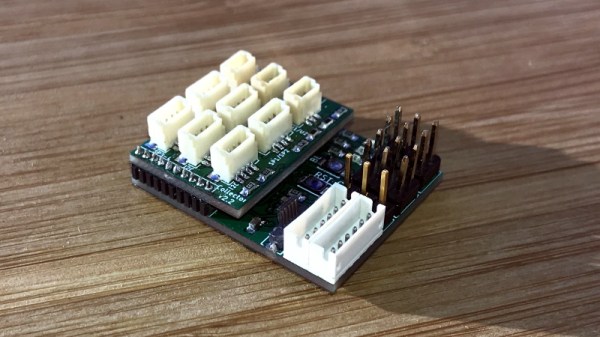
At the most basic level, each node in the system consists of photovoltaic panels, the supercapacitors, and a “motherboard” based on the ATmega256RFR2. This single-chip solution provides not only an AVR microcontroller with ample processing power for the task at hand, but an integrated 2.4 GHz radio for uploading data to a local base station. [sciencedude1990] has added a LSM303 accelerometer and magnetometer to the board, but the real functionality comes from external “accessory” boards.

Along the side of the main board there’s a row of ports for external sensors, each connected to the ATmega through a UART multiplexer. To help control energy consumption, each external sensor has its own dedicated load switch; the firmware doesn’t power up the external sensors until they’re needed, and even then, only if there’s enough power in the supercapacitors to do so safely. Right now [sciencedude1990] only has a GPS module designed to plug into the main board, but we’re very interested in seeing what else he (and perhaps even the community) comes up with.