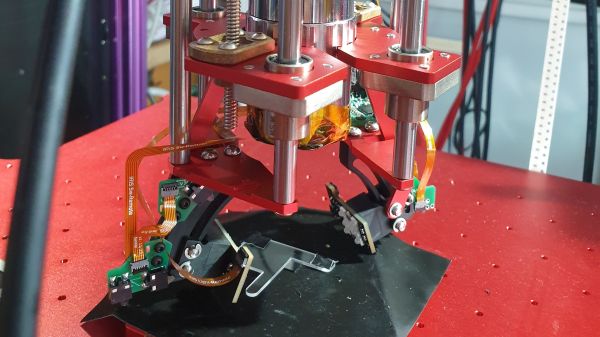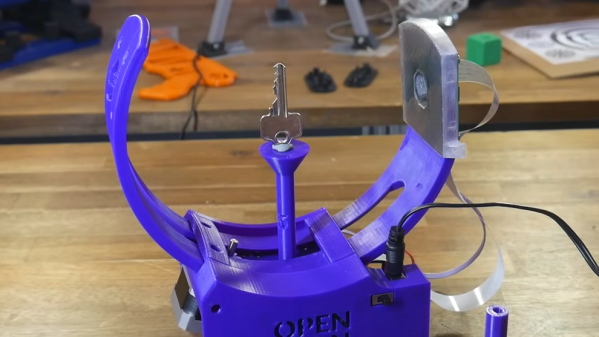
Using an IR thermometer, there are two ways to go about building a thermographic camera. The first uses a pan and tilt head. Scan lines are emulated, as a computer controls panning from left to right, taking a temperature sample from each step. Vertical resolution is accomplished by tilting. Another method uses a web cam attached to the thermometer. The thermometer’s laser pointer is captured with temperature annotations, as the computer records the field of view. We think the best outcome can be found with a combination of both methods. The video embedded below demonstrates the results. This would be a good addition to the Autonomous paintball sentry.
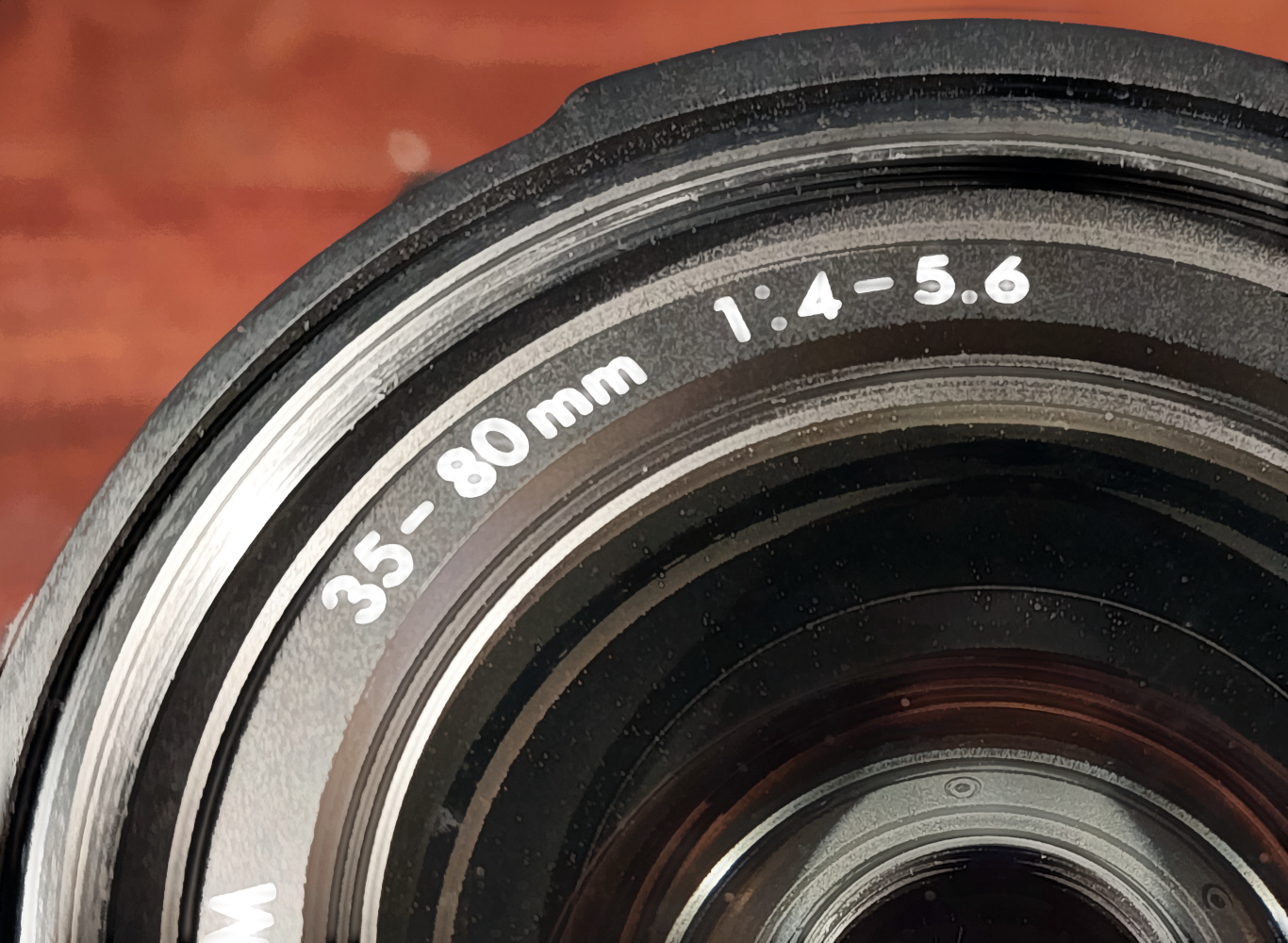
This quick little hack is beautiful in its simplicity. Need a macro lens to play with? Simply rip the lens out of a pair of binoculars and tape it to the end of your slr lens. The result is pretty good. If you need something a little higher quality, you could always hack an extra AF lens.
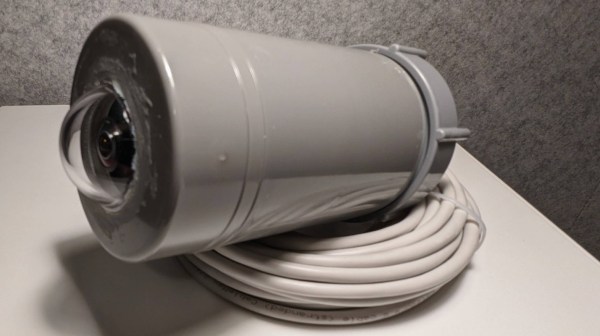
For those that have them, the ATC2K action camera is a decent little piece of equipment. It is waterproof and can save video for roughly 30 minutes on a flash card. The viewing angle of the lens leaves something to be desired though. This has been remedied in newer models. [raalst] shows us how to modify the ATC2K to install a new, wider angle lens, while retaining the waterproof seal. He also takes us through a necessary mod to ensure clear video under water since the new lens was not initially intended for it. Just in case you are curious, he’s using his for hobby radio controlled submarine dives.
has released a new firmware for the Canon 5D Mark II DSLR geared toward film makers. The stock firmware was very limited on the audio side. This firmware adds features such as live VU meters, reduced audio noise, and crop marks for filming in different formats. The firmware is written in a manner that it can be extended fairly easily. Hopefully this will turn out to be as helpful as CHDK has been for point and shoot cameras.
[Phillip] published this great step by step tutorial on making a remote shutter release from a wireless doorbell. The pictures are great and the process is fairly simple. There is only one additional chip requred and a little bit of soldering. This is a great way to get some remote shots for cheap.
[Adam] made a remote camera trigger that uses a laser. He had to install CHDK on his camera, which we’ve featured in a how-to, in order for it to work. CHDK allowed for a remote shutter trigger through the USB port. The laser bounces off a mirror and onto the photoresisitor hooked up to an Arduino. When the beam is broken, the Arduino sets off the trigger. He also plans to use the trigger to tweet over ethernet. Embedded is a video demonstrating its functionality.
The Camera Axe is an open source system for doing high speed camera triggering. You know all those pictures people get of balloons popping or drops of water in mid splash? This is how they do it. The system has light sensors and sound sensors to help get the timing just right. It can trigger your camera and the flash to capture images at just the right moment. There are a lot of picture examples on the site as well as a full schematic and parts list. Not too bad for roughly $100.
Made from a 1200 dpi epson scanner and a manual focus canon lens, this camera captures 130 Megapixel images. With a resolution of 13,068 x 10,173, these pictures are very detialed. You can see some examples in his flickr set. It doesn’t look like they’re the full size originals though. If you want to build your own, here’s a good start. Keep in mind that it’s from 2004 though.
[Mike] was going to be biking across Canada. He really wanted to document the trip, so he began planning ways to get still images taken at intervals along the way. After a bit of brainstorming, he ended up setting his goals a bit higher. He was going to film the entire trip. He really didn’t want a simple helmet cam, he wanted himself and the entire bike in the frame. To do this he had to build a long arm on which he mounted a bullet cam. On his handlebars, he has a simple control where he can turn the system on and off as well as initiate recording.
No single piece of this project was too complicated, but taken all together, the final result is quite nice. You can watch the video for yourself after the break.
[Soren Coughlin-Glaser] runs a mobile photobooth in the Portland area. It’s built inside of an electric Volkswagen bus. The conversion to electric hasn’t been easy though. He’s spent most of the last few months rebuilding it after an electrical fire. Last fall he installed a 9 inch electric motor from Hi-Torque Electric after his smaller one blew up. We really like this project and look forward to seeing it back on the road… once he replaces his stripped transmission coupler.
[Pete] has put together a fairly simple writeup on building a wireless USB tether for your DSLR. He’s basically using a pair of USB wireless adapters and a battery pack. In his original version, he did some slight modification to the dock that powers the USB dongle, adding his own battery pack too. He notes that this whole project can be done without the effort he put into it, at a little more expense. The only improvement we think would be nice would be a better way to package it to keep it out of the way while you shoot.
[Will] submitted his ski goggle mod. He has mounted an Oregon Scientific ATC3K digicam in his goggles. This should make recording ski trips a lot easier. Most of the electronics fit just fine in the mask, though he did need to use an IDE cable to extend parts of it to the custom pack mounted on the strap. We’re also curious how much wind noise he’s going to get on that microphone.
[Matthew] sent us his group’s final project, where they built a nice GPS logging system. Not only can it simply log the GPS coordinates on a predetermined interval, it can also be triggered to make an entry by a wireless device. In this example, they use a camera. This allows them to then upload all the GPS information and pictures to places like Google Earth.
They are using an ATmega644, with an LCD, SD card, and GPS unit. They had to do a little hacking on their camera to add the wireless transmitter, which triggers the logger. You can see not only the cost break down and source code for the project, but also a map with lots of geotagged photos. This is the kind of thing we can almost see as a standard item in the future.