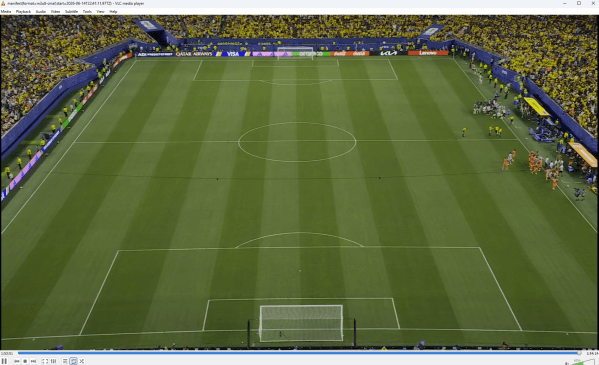
Sometimes, hacking requires a certain amount of restraint, especially when you find a system woefully unsecured. It would be so easy to play some pranks, but [bobdahacker] chose not to rickroll the entire FIFA World Cup.
The fun starts after [bobdahacker] signed up for a free FIFA agent profile. After a simple ID verification process, he had a login for the FIFA Agent platform, but they used the same account system across the whole organization in Microsoft Entra. When he tried to access the FIFA Football Data Platform system, it returned an error saying he had no assigned role to allow access. This was on the client side though, so he was able to bypass the error as the server didn’t block accounts without assigned roles.
Once inside, he found he was able to access not just the data, but had full control of the RTMP ingest URLs of all the FIFA matches. For those of us less conversant in streaming media protocols, “Those RTMP ingest URLs are the literal pipe from the stadium cameras to FIFA’s broadcast distribution chain. Camera -> RTMP ingest -> MediaKind -> broadcast partners -> your TV.” He could’ve shut off the feeds or injected whatever alternate stream he wanted, but instead chose to try contacting FIFA, their streaming contractor, and various law enforcement agencies since the World Cup was already underway when he made the discovery.
“Competitions, Matches, Teams, Tools, Exchange Platform, Analysis Dashboard, Commentator Information System, FIFA AI Pro, Admin” were also in the open. Live match scores could be changed, player bios, and any number of other stats could be modified. We’ll let you imagine the possibilities of what mischief could occur.
While rickrolling the world would be funny, a rickroll throwie will be a bit more circumspect. If you’re more interested in soccer/football than security hacks, we hope you enjoy this LEGO soccer tank or these robot soccer players and avoid any soccer ball-sized meteorites or legal troubles for your soccer-related invention.


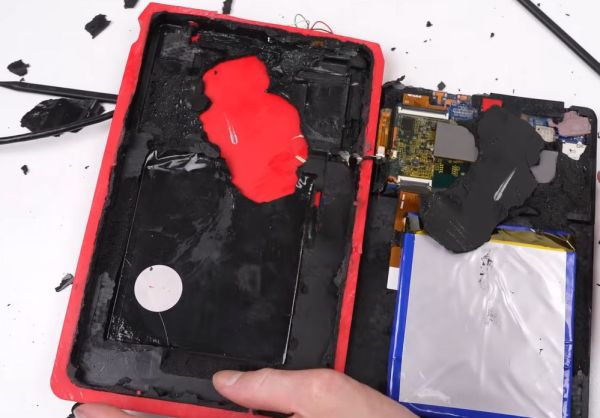
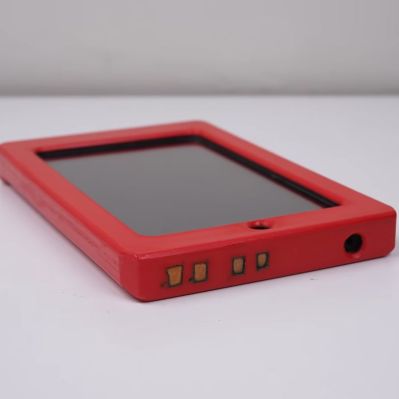 The first challenge was to see whether it could be booted at all, with just four metal pads visible on the side of the case. These turn out to correspond to USB pins, but the tablet only briefly tries to turn on with a charger connected. This means that a teardown is required, which ended up involving a hacksaw due to the sealed case.