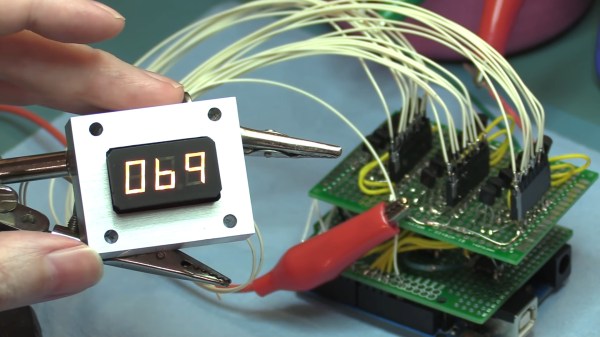
When we think of 7-segment displays as the ubiquitous LED devices that sprung into popularity in the 1970s. However, numbers have existed for a lot longer than that, and people have wanted to know what the numbers are for quite some time, too. Thus, a variety of technologies were used prior to the LED – such as these magnificent incandescent 7-segment displays shown off by [Fran Blanche].
The displays are basic in concept, but we imagine a little frustrating in execution. Electronics was tougher back in the days when valves needed huge voltages and even a basic numerical display drew a load of current. Built to industrial-grade specifications, they’re complete with a big heatsinking enclosure and rugged gold-plated connectors. [Fran] surmises that due to the likely military applications of such hardware, the filaments in the bulbs were likely built in such a way as to essentially last indefinitely. The glow of the individual segments has a unique look versus their LED siblings; free of hotspots and the usual tapered shape on each segment. Instead, the numerals are pleasingly slab-sided for a familiar-but-not-quite aesthetic.
[Fran] demonstrates the display running with a CD4511B BCD-to-7-segment decoder, hooked up with a bunch of 3904 power transistors to get the chip working with filament bulbs instead of LEDs. It’s a little fussy, but the displays run great with the hardware sorted.
We’d love to see these used on a very heavy ridiculous watch; nixies aren’t the only game in town after all. If you do happen to make one, be sure to let us know. Video after the break.
Continue reading “Incandescent 7-Segment Displays Are Awesome”

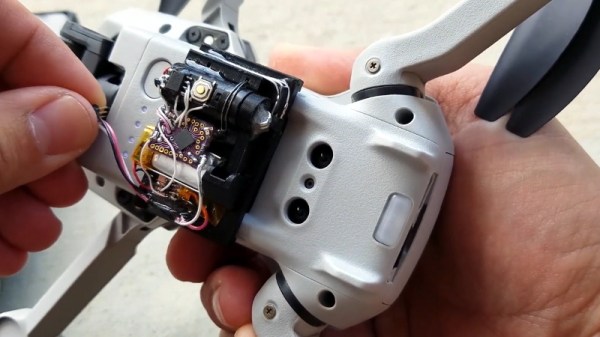
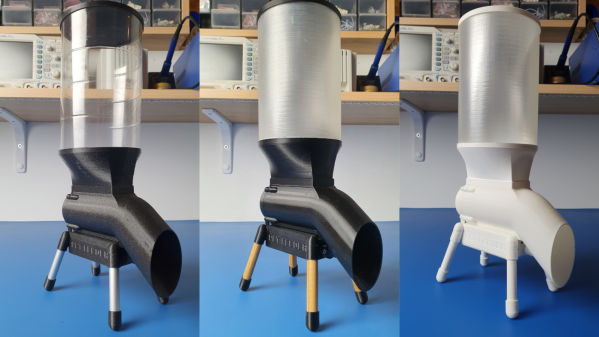
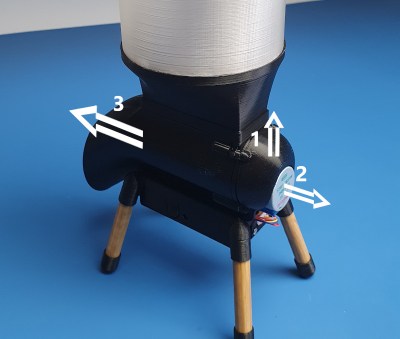 But by far the most effort he needed was in getting the mechanical design perfected. He had to go through several rounds of prototype iterations – after all, his cat deserved the very best in feeder design. The basic parts of the design are simple – a stepper motor drives an auger that pushes the cat food from the main container and deposits it in the bowl. Check out the detailed assembly instructions and pictures on his blog. The best part of his design is how easy it is to take it apart the feeder for cleaning. The stepper motor is held in place by a snap fit end piece without using any screws. The main body then just slides out from the top of the electronics box. Check out [Sebastian]’s cat feeder video after the break for details.