Young electronics hackers today are very fortunate to grow up in an era with both a plethora of capable devices to stimulate their imagination, and cheap and ready access to them. Less than the price of a hamburger meal can secure you a Linux computing platform such as the Raspberry Pi Zero, and a huge choice of sensors and peripherals are only an overnight postage envelope away.
Casing back a few decades to the 1980s, things were a little different for electronically inclined youth. We had the first generation of 8-bit microcomputers but they were expensive, and unless you had well-heeled parents prepared to buy you a top-end model they could be challenging to interface to. Other electronic parts were far more expensive, and mail order could take weeks to deliver the goods.
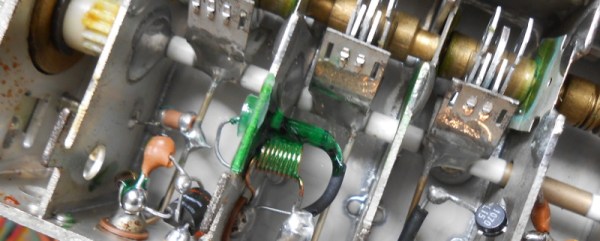
For some of us, this was not a problem. We simply cast around for other sources of parts, and one of the most convenient was the scrap CRT TV you’d find in nearly every dumpster in those days before electronic recycling. If you could make it from 1970s-era consumer-grade discrete components, we probably did so having carefully pored over a heap of large PCBs to seek out the right component values. Good training, you certainly end up knowing resistor colour codes by sight that way.
Continue reading “Not Quite 101 Uses For An Analog UHF TV Tuner”
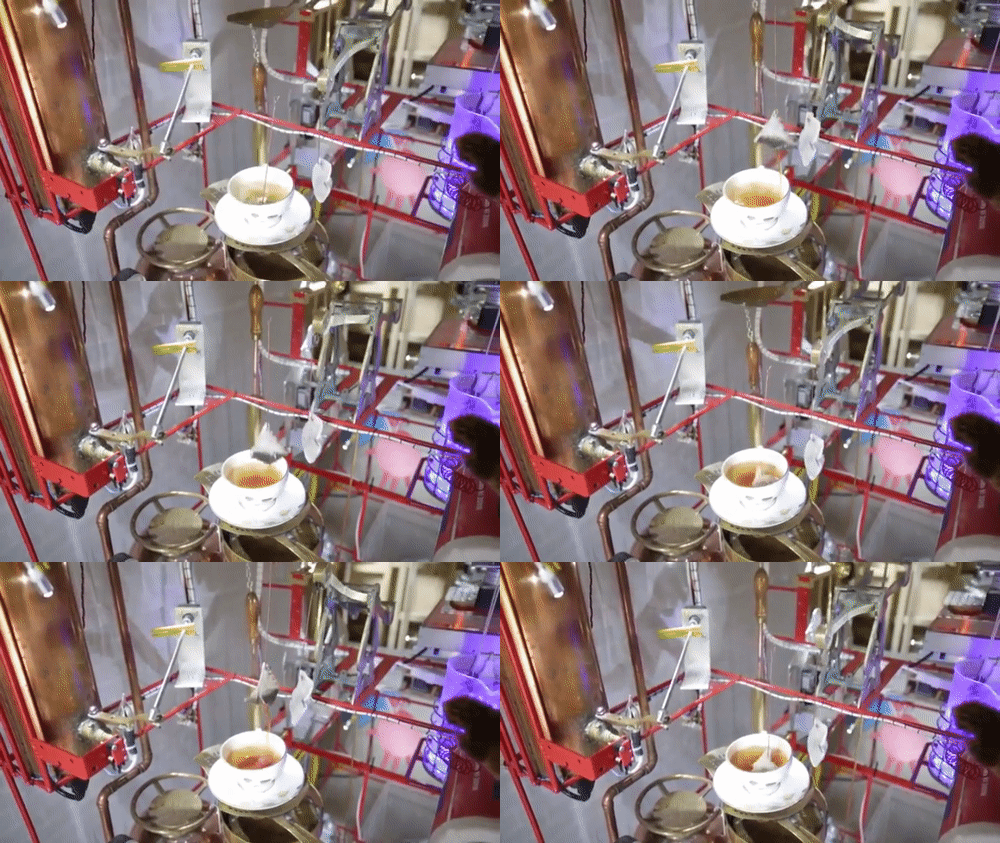
 For instance, you can boil coffee in a pot but then you have to use some filtering technique to sequester the grounds. You can use a French press but that this hasn’t saved you much effort. So someone invented the percolator but you still must watch that you don’t burn your brew. From there we have espresso machines and drip brewers that both regulate how much water is used and at what temperature (in addition to keeping the grounds separate). And now we’re seeing single-unit machines like Nespresso and Keurig which make everything a one-step process, if you’re happy with the pods they sell you. I like to refill my own pods, which lets me choose my own grind. I’d love to see someone