[Massimiliano Patacchiola] writes this handy guide on using a histogram intersection algorithm to identify different objects. In this case, lego superheroes. All you need to follow along are eyes, Python, a computer, and a bit of machine learning magic.
He gives a good introduction to the idea. You take a histogram of the colors in a properly cropped and filtered photo of the object you want to identify. You then feed that into a neural network and train it to identify the different superheroes by color. When you feed it a new image later, it will compare the new image’s histogram to its model and output confidences as to which set it belongs.
This is a useful thing to know. While a lot of vision algorithms try to make geometric assertions about the things they see, adding color to the mix can certainly help your friendly robot project recognize friend from foe.



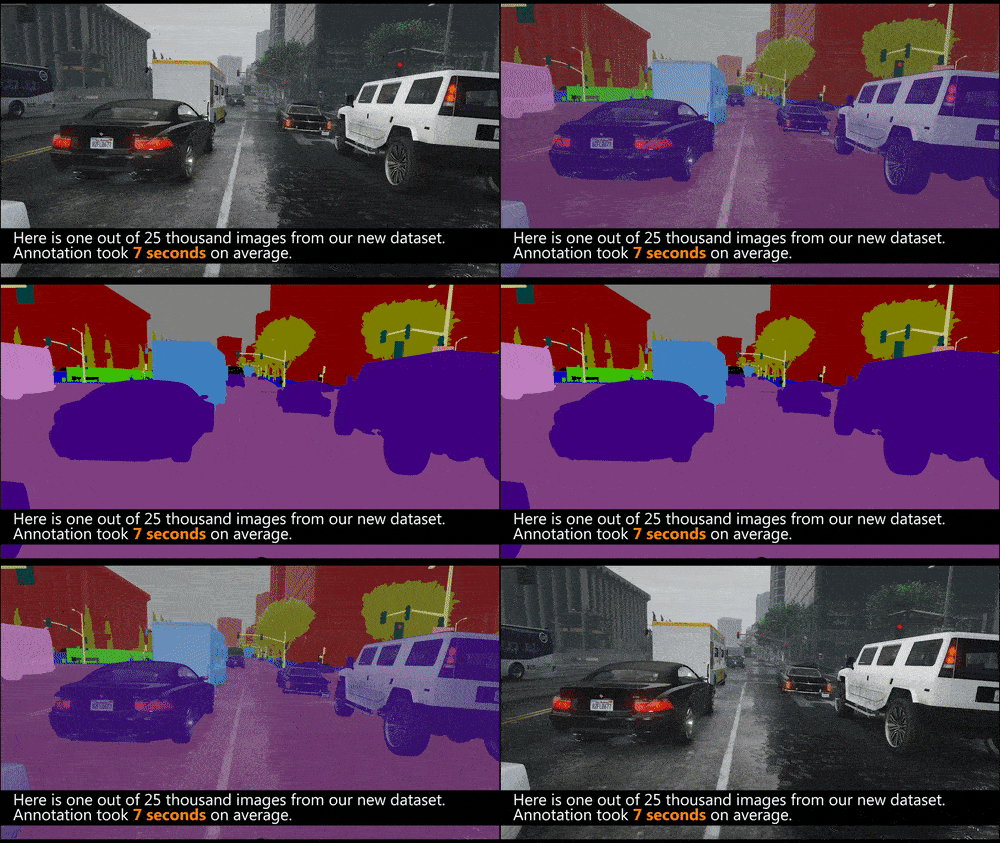
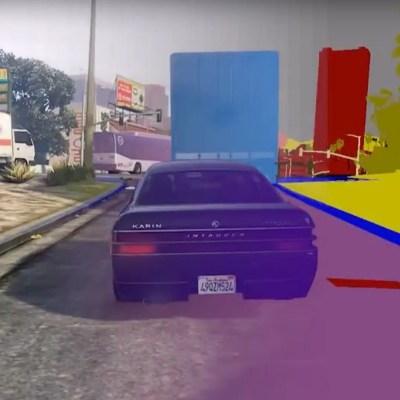 The hard problem with this approach is getting a large enough sample for the machine learning to be viable. The idea is this: the virtual world provides a far more efficient solution to supplying enough data to these programs compared to the time-consuming task of annotating object data from real-world images. In addition to scaling up the amount of data, researchers can manipulate weather, traffic, pedestrians and more to create complex conditions with which to train AI.