After Years Of Uncertainty, Stratolaunch Flies Again

When Paul Allen founded Stratolaunch in 2011, the hope was to make access to space cheaper and faster. The company’s massive carrier aircraft, the largest plane by wingspan ever to be built, would be able to carry rocket-powered vehicles up into the thin upper atmosphere on short notice under the power of its conventional jet engines. The smaller vehicle, free of the drag it would incur in the denser atmosphere closer to the ground, could then be released and continue its journey to space using smaller engines and less propellant than would have been required for a conventional launch.

But Allen, who died in October of 2018, never got to see his gigantic plane fly. It wasn’t until April 13th, 2019 that the prototype carrier aircraft, nicknamed Roc, finally got to stretch its 117 meter (385 feet) wings and soar over the Mojave Desert. By that time, the nature of spaceflight had changed completely. Commercial companies were putting payloads into orbit on their own rockets, and SpaceX was regularly recovering and reusing their first stage boosters. Facing a very different market, and without Allen at the helm, Stratolaunch ceased operations the following month. By June the company’s assets, including Roc, went on the market for $400 million.

Finally, after years of rumors that it was to be scrapped, Allen’s mega-plane has flown for the second time. With new ownership and a new mission, Stratolaunch is poised to reinvent itself as a major player in the emerging field of hypersonic flight.

Continue reading “After Years Of Uncertainty, Stratolaunch Flies Again”
Soundbar Bested By Virtual Android Bluetooth Sniffer

Out of the box, the Yamaha YAS-207 soundbar can be remotely controlled over Bluetooth, but only when using a dedicated application on iOS or Android. Users who want to command their hardware with their computer, or any other Bluetooth device for that matter, are left out in the cold. Or at least they were, before [Wejn] got on the case.

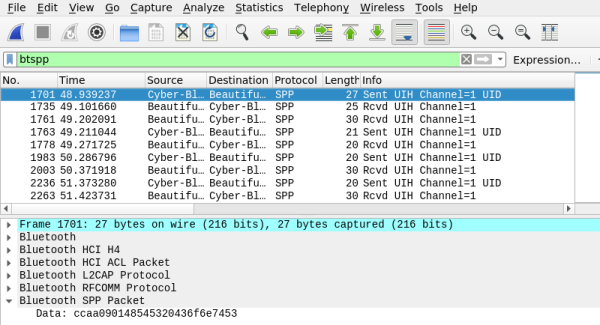
To capture the communication between the soundbar and the application, [Wejn] first installed Android-x86 in a virtual machine on his computer and then enabled the “Bluetooth HCI snoop log” within Developer Settings. From there, a netcat command running on the virtual Android device continually sent the contents of the btsnoop_hci.log file out to Wireshark on his Linux desktop. As he hit buttons in the Yamaha application, he could watch the data come in live. We’ve seen plenty of people use Android’s integrated Bluetooth packet capture in the past, but never quite like this. It’s certainly a tip worth mentally filing away for the future.

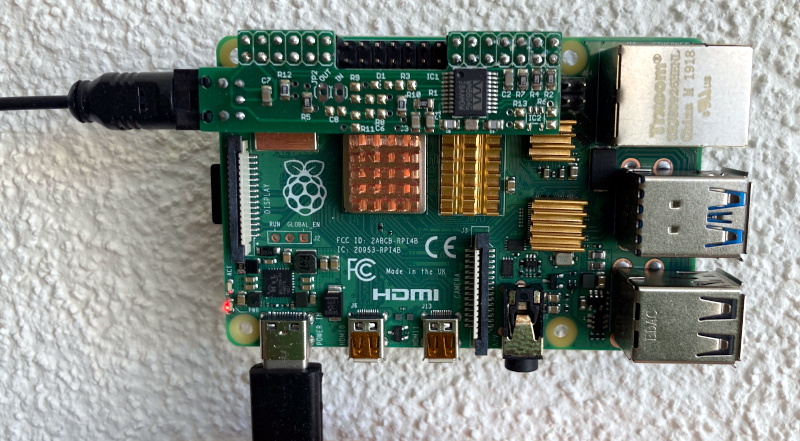
The Pi can now control the TOSLINK connected speakers.

From there, things move pretty quickly. [Wejn] is able to determine that the devices are communicating over a virtual serial port, and starts identifying individual command and response packets. It turns out the commands closely mirror the NEC IR codes that he’d previously decoded on a whim, which helped clear things up. Once the checksum was sorted out, writing some code that can talk to the soundbar from his Raspberry Pi media player was the next logical step.

[Wejn] combined this with the Shairport Sync project, which lets the Raspberry Pi turn on the speaker and switch the input over when he wants to stream AirPlay from his phone. But of course, the same technique could be applied to whatever source of digital audio captures your fancy.

This is one of those posts you should really read in its entirety to truly appreciate. While every device is going to be different, the basic principles and workflow that [Wejn] demonstrates in this project will absolutely be useful in your own reverse engineering adventures. If you’re more of a visual learner, we recently covered a series of YouTube tutorials that cover sniffing BLE devices that’s not to be missed as well.

An Epic Quest To Put More Music On An IPod Nano 3G

While many would argue that the original iPod is the most iconic entry in the long and diverse line of digital audio players that Apple released over the years, there must certainly be some consideration for the third generation (3G) iPod Nano. It’s a device that was ahead of its time in many ways, and is still perfectly usable today, although [Tucker Osman] does think it could stand to have its maximum flash storage doubled to 16 GB.

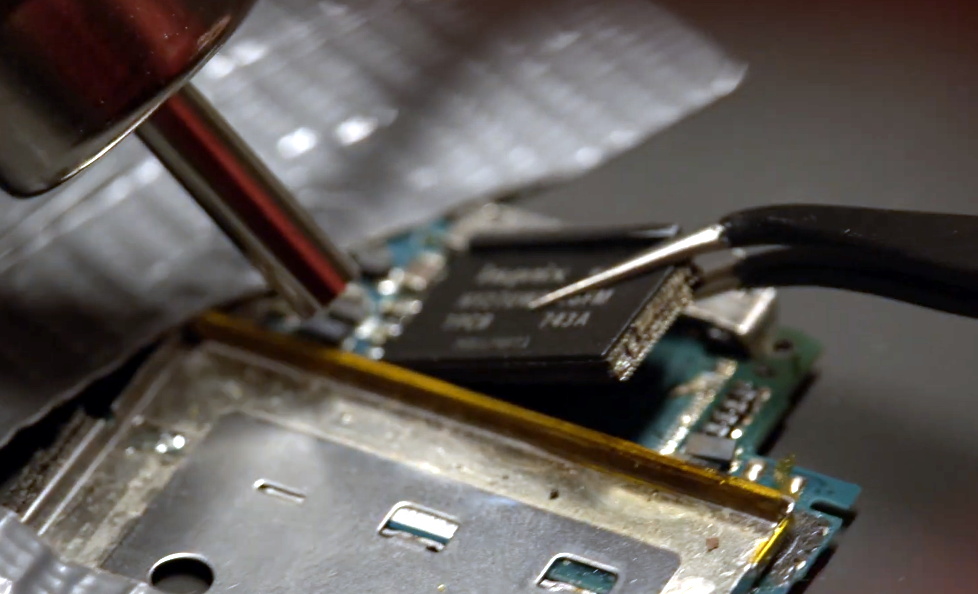
Now, we’d like to tell you that he’s already succeeded in this task. After all, in theory, it should be pretty straightforward: just remove the 8 GB flash chip and replace it with a pin-compatible 16 GB version. But of course, this is Apple we’re talking about. Nothing is ever quite that easy, and it seems that at every turn both the hardware and software in the thirteen-year-old iPod are fighting the change.

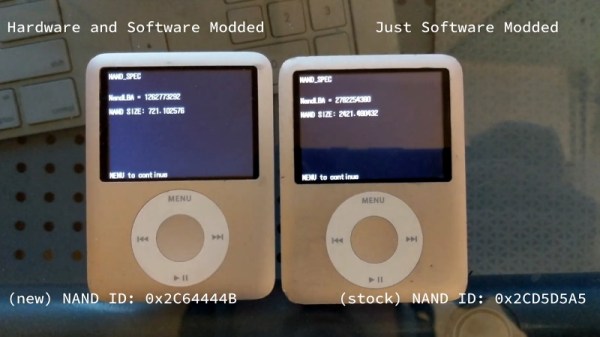
It took several attempts before the original flash chip could be swapped out, but eventually [Tucker] and his friend [Wesley] got one to survive the operation. Unfortunately, all they had to show for their effort was an unhelpful error screen.

From here on out the assumption was that they were dealing with a software problem. Luckily the Rockbox bootloader had previously been ported to the 3G Nano, which helped get the ball rolling. The next step would be to patch the Nano’s firmware to accept the ID of the new flash chip, but after a year of work, it’s turned out to be a bit more complicated than that.

[Tucker] hasn’t given up yet, and is actively looking for anyone who’d like to help out with his quest. He’s shared some information with a few like minded individuals on Hackaday.io, and he’s also started a Discord server dedicated to Nano hacking. At this point, it sounds like he’s very close to actually reading data from the 16 GB chip, but there’s still a long way to go before the Nano’s firmware will actually play music from it.

Despite most people now using their smartphones to play music these days, we still see a lot of interest in upgrading and modernizing the iPod. From replacing their original hard drives with micro SD cards to installing a Raspberry Pi Zero in place of the original electronics, hackers are still infatuated with Apple’s legendary media player.

Continue reading “An Epic Quest To Put More Music On An IPod Nano 3G”

Winners Of Hackaday’s Data Loggin’ Contest: Bluetooth Gardening, Counting Cups, And Predicting Rainfall

The votes for Hackaday’s Data Loggin’ Contest have been received, saved to SD, pushed out to MQTT, and graphed. Now it’s time to announce the three projects that made the most sense out of life’s random data and earned themselves a $100 gift certificate for Tindie, the Internet’s foremost purveyor of fine hand-crafted artisanal electronics.

First up, and winner of the Data Wizard category, is this whole-garden soil moisture monitor by [Joseph Eoff]. You might not realize it from the picture at the top of the page, but lurking underneath the mulch of that lovely garden is more than 20 Bluetooth soil sensors arranged in a grid pattern. All of the data is sucked up by a series of solar powered ESP32 access points, and ultimately ends up on a Raspberry Pi by way of MQTT. Here, custom Python software generates a heatmap that indicates possible trouble spots in the garden. With its easy to understand visualization of what’s happening under the surface, this project perfectly captured the spirit of the category.

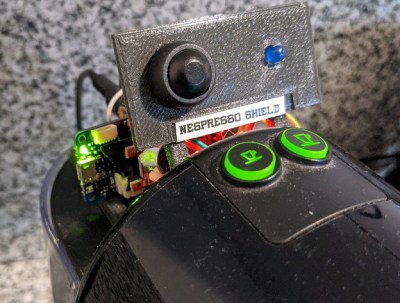
Next up is the Nespresso Shield from [Steadman]. This clever gadget literally listens for the telltale sounds of the eponymous coffee maker doing its business to not only estimate your daily consumption, but warn you when the machine is running low on water. The clever non-invasive method of pulling data from a household appliance made this a strong entry for the Creative Genius category.

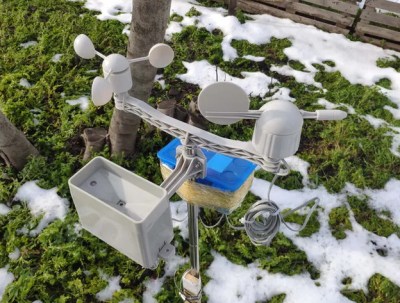
Last but certainly not least is this comprehensive IoT weather station that uses machine learning to predict rainfall. With crops and livestock at risk from sudden intense storms, [kutluhan_aktar] envisions this device as an early warning for farmers. The documentation on this project, from setting up the GPRS-enabled ESP8266 weather station to creating the web interface and importing all the data into TensorFlow, is absolutely phenomenal. This project serves as a invaluable framework for similar DIY weather detection and prediction systems, which made it the perfect choice for our World Changer category.

There may have only been three winners this time around, but the legendary skill and creativity of the Hackaday community was on full display for this contest. A browse through the rest of the submissions is highly recommended, and we’re sure the creators would love to hear your feedback and suggestions in the comments.

Continue reading “Winners Of Hackaday’s Data Loggin’ Contest: Bluetooth Gardening, Counting Cups, And Predicting Rainfall”

3D Printer Control Board Packs A Raspberry Pi Compute Module 4

Traditionally, 3D printer control boards have used simplistic 8-bit microcontrollers to command the stepper drivers and ultimately move the machine where it needs to go. Newer boards have switched over to 32-bit microcontrollers, but they’re still relatively limited computationally. Because of this, a Raspberry Pi running OctoPrint is usually used to provide more complex features such as remote management and live video.

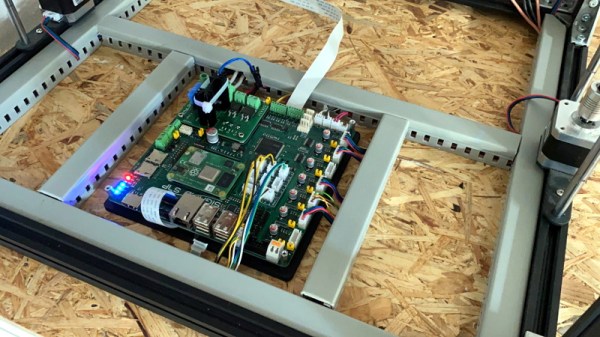
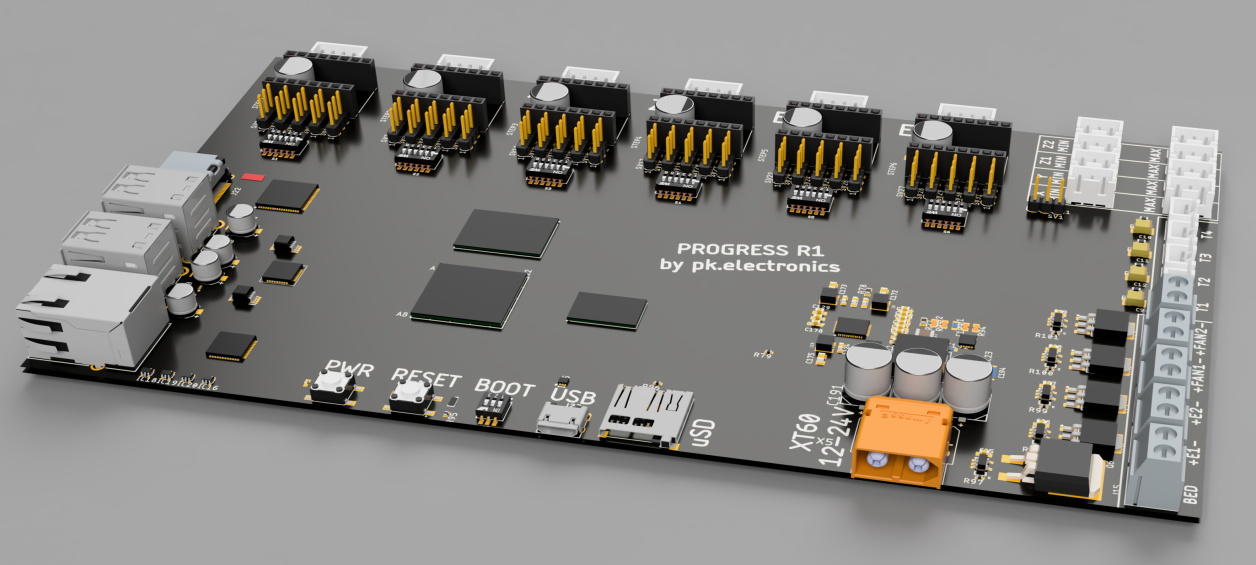
Looking to combine these different devices into a single all-in-one board, [pkElectronics] developed the Sigmoid S7P. With an STM32 microcontroller, TMC2209 stepper drivers, a Raspberry Pi Compute Module 4, and plenty of room for expansion, it promises to be a drop-in upgrade for essentially any 3D printer running on an open source firmware that could be ported over.

An earlier concept for the Sigmoid

According to [pkElectronics], the idea for the Sigmoid had been floating around for several years, but never got off the ground due to the difficulties in dealing with the SO-DIMM interface used by previous iterations of the Compute Module. But with the switch to smaller and denser connector for the CM4, the board finally started to take shape.

Whether you just used it as a convenient way to integrate OctoPrint into your printer, or want to get into something more advanced like Klipper, the Sigmoid S7P looks like a very exciting project. [pkElectronics] says they are considering producing the board commercially if there’s interest, so if you want one of these for your own custom 3D printer build, let them know.

Look Out Below! China’s Heavy-Lift Rocket Due For Uncontrolled Reentry Within Days

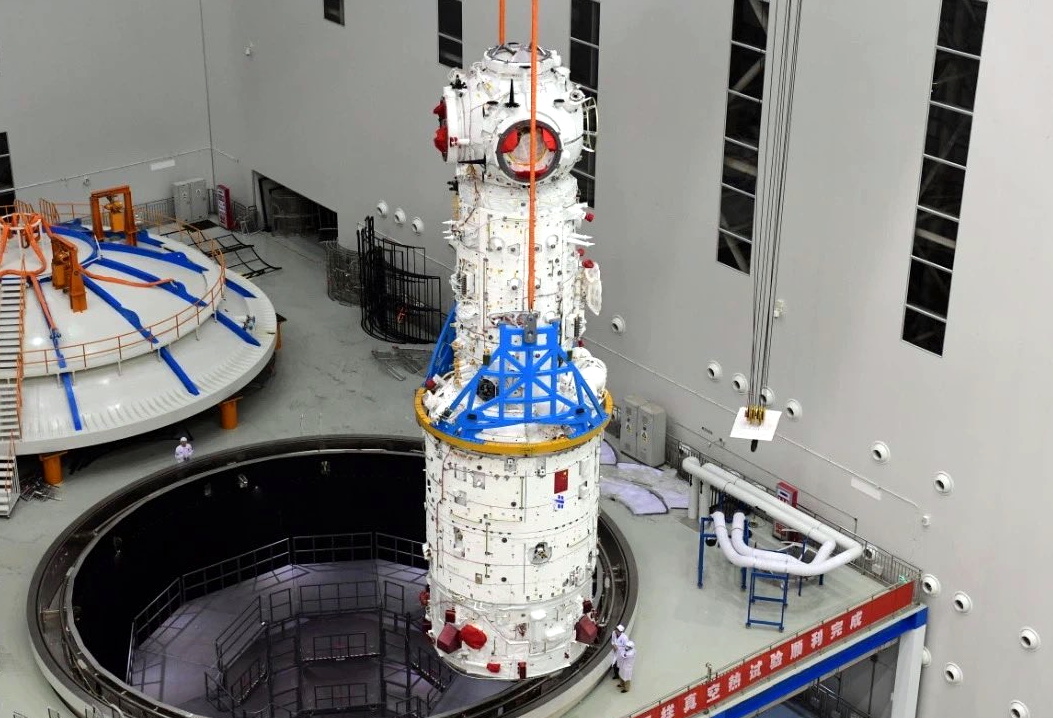
On April 28th, China successfully put the core module of their Tianhe space station into orbit with the latest version of the Long March 5B heavy-lift booster. This rocket, designed for launching large objects into low Earth orbit, is unique in that the 33.16 m (108.8 ft) first stage carries the payload all the way to orbit rather than separating at a lower altitude. Unfortunately, despite an international effort to limit unnecessary space debris, the first stage of the Long March 5B booster is now tumbling through space and is expected to make an uncontrolled reentry sometime in the next few days.

The massive booster has been given the COSPAR ID 2021-035-B, and ground tracking stations are currently watching it closely to try and determine when and where it will reenter the Earth’s atmosphere. As of this writing it’s in a relatively low orbit of 169 x 363 km, which should decay rapidly given the object’s large surface area. Due to the variables involved it’s impossible to pinpoint where the booster will reenter this far out, but the concern is that should it happen over a populated area, debris from the 21 metric ton (46,000 pound) booster could hit the ground.

The Tianhe core module.

This is the second launch for the Long March 5B, the first taking place on May 5th of 2020. That booster was also left in a low orbit, and made an uncontrolled reentry six days later. During a meeting of the NASA Advisory Council’s Regulatory and Policy Committee, Administrator Jim Bridenstine claimed that had the rocket reentered just 30 minutes prior, debris could have come down over the continental United States. Objects which were suspected of being remnants of the Long March 5B were discovered in Africa, though no injuries were reported.

China’s first space station, Tiangong-1, made an uncontrolled reentry of its own back in 2018. It’s believed that most of the 8,500 kg (18,700 lb) burned up as it streaked through the atmosphere, and anything that was left fell harmlessly into the South Pacific Ocean. While small satellites are increasingly designed to safely disintegrate upon reentry, large objects such as these pose a more complex problem as we expand our presence in low Earth orbit.

RGB LED Rings Teach Old Dash New Tricks

We’ve seen several so-called “digital dash” upgrades over the years that either augment, or completely replace, a vehicle’s original dashboard indicators with new displays. Whether its seven segment LEDs or a full-on graphical interface powered by the Raspberry Pi, the end result is the same: a dashboard that looks wildly different than it did when the car rolled off the assembly line.

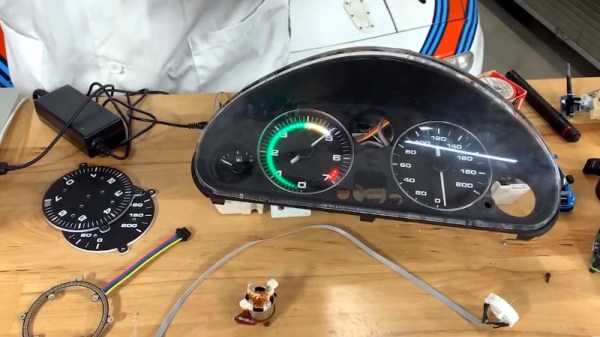
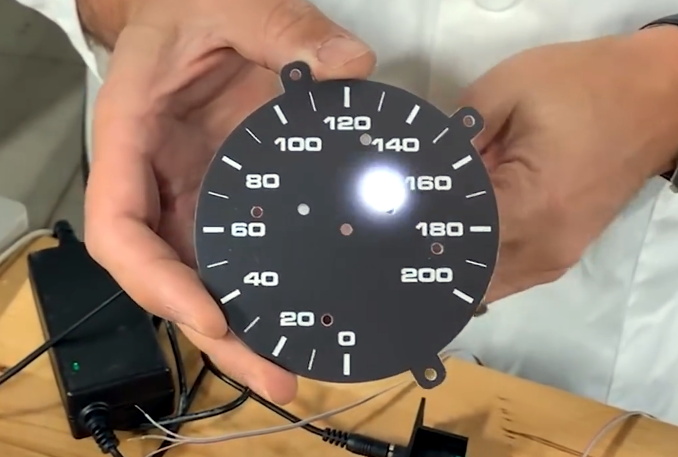
But this LED dashboard project from [Flyin’ Miata] takes a slightly different approach. Rather than replace the analog gauges entirely, rings of RGB LEDs of the same diameter were placed behind their matte black faces. When the LEDs are off you’d never notice them, but once they kick on, the light is clearly visible through the material.

LEDs can easily shine through the gauge face.

So far, it looks like most of the work seems to have been put into the tachometer. The firmware running on the CAN equipped Adafruit Feather M4 can do things such as light up a dynamic redline based on current engine temperature. It will also light up the LEDs to follow the analog gauge as it moves around, which might not have much practical application, but certainly looks cool.

On the speedometer side, the LEDs seem to be used primarily as warning indicators. As demonstrated in the video below, the whole gauge can light up bright red to indicate a critical situation such as low oil pressure. If you wanted to, the system could also be configured with different colors corresponding to various possible fault conditions.

Compared to some of the more aggressive dashboard updates we’ve seen, this is an interesting compromise that helps retain the look of the original instrumentation. Of course, depending on the make and model of the car, you might be able to sneak in a small LCD screen without anyone noticing.

Continue reading “RGB LED Rings Teach Old Dash New Tricks”