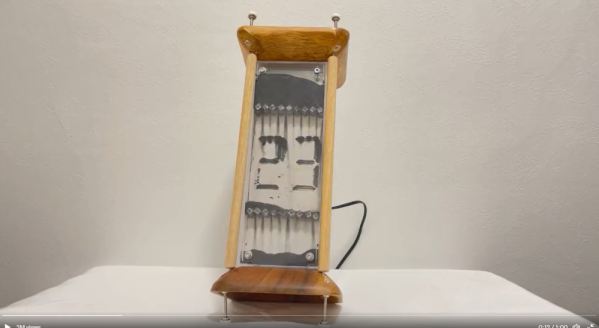
If someone asked you to build a digital hourglass, what would your design look like? [BitBlt_Korry] took on that challenge, creating a functional art piece that hits it right on the nose: an hourglass with a digital display.
Iron filings fall between two pieces of plexiglass while ghostly numbers appear, counting down 30 seconds. Just as quickly as they appear, the numbers disappear – dropping down to the bottom of the enclosure. Each second is punctuated by what might be the loudest clock tick we’ve ever heard.
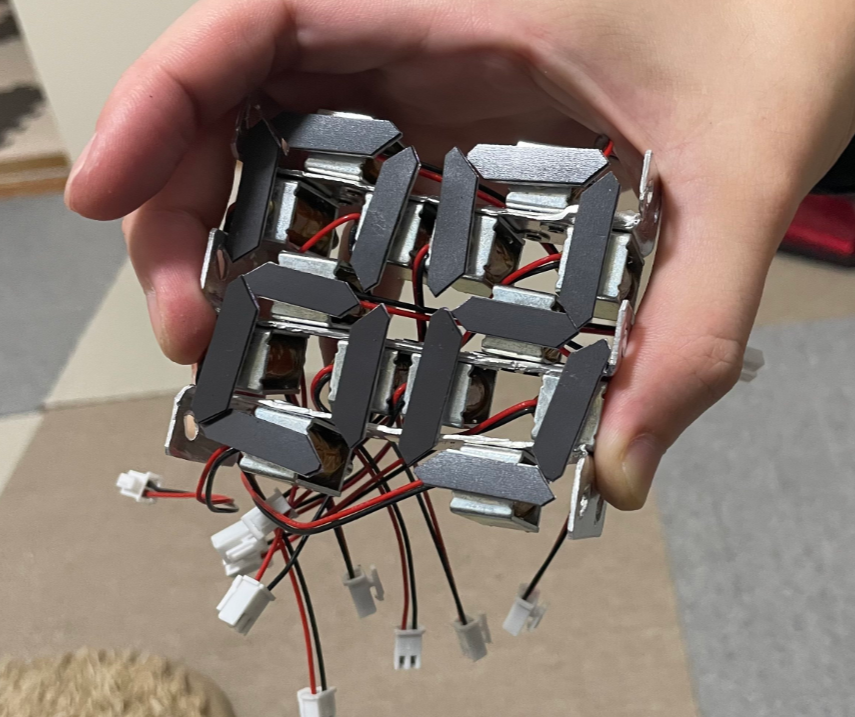 Of course, it’s not all magic. The hourglass is controlled by a Raspberry Pi Pico running code in MicroPython. The pico drives a series of transistors, which in turn are used to control 14 solenoids. The solenoids serve double duty — first, they move pieces of flat “fridge magnet” material close enough to attract iron filings. Their second duty is of course provide a clock tick that will definitely get your attention.
Tilt sensors are the user input to the hourglass, letting the Pi Pico know which end is up when it’s time to start a new 30-second countdown.
[BitBlt_Korry] mentions that the hardest part of the project was setting the screws at the top and bottom of the hourglass to get the perfect uniform flow of iron filings.
[BitBlt_Korry] calls his creation “「時場(じば)」”. Google translates this to “Jiba”, which means “magnetic field”. We’re not native speakers, but we’re guessing there is a double meaning there.
This isn’t the first time we’ve seen humble iron filings stand up and dance at our command. If iron dust is too dry a topic, we’ve got plenty of ferrofluid projects as well!
Continue reading “Digital Hourglass Counts Down The Seconds”



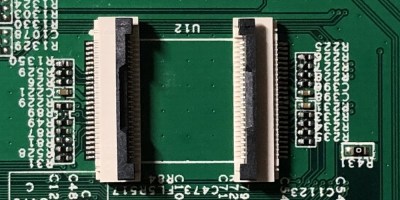 The flash chip is in TSOP48 package and uses a parallel interface, and an iMX6.LL devboard was used to read, modify and flash back the image — hotswapping the chip, much like we used to do with old parallel-interface BIOS chips. We especially liked the use of FFC cables and connectors for connecting the flash chip to the devboard in a way that allows hotswapping – now that we can see it, the TSOP 0.5 mm pitch and 0.5 mm FFC hardware are a match made in heaven. This hack, of course, will fit many TSOP48-equipped devices, and it’s nice to have a toolkit for it in case you don’t have a programmer handy.