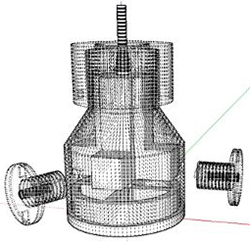
 Building electronics with 3D printers is something we see hitting the tip line from time to time, but usually these are printed circuits, not electromechanical parts like motors, solenoids, and relays. [pitrack] thought he could do better than printing out a few blinking LED circuits and designed and built a brushless motor, the same kind you would find on electric model planes and quadcopters.
In every brushless DC motor, there are a few common parts: the rotor has a few powerful magnets embedded in it, a stators with coils of wire, and the an enclosure to keep everything together. [pitrack] printed all these parts off on his Makerbot, winding each of the three coils with about 400 turns of 26 AWG magnet wire. Also embedded in the stator are a trio of hall effect sensors to make the control via an Arduino and an L6234 motor driver easy.
For his next trick, [pitrack] is going to test the efficiency of the motor and attempt to optimize it. In the long term, it should be possible to parameterize the design of one of these printed motors, effectively allowing anyone to type in the torque and Kv rating of a desired motor, plug that into an equation, and have a motor design come out the other end.
Continue reading “A 3D Printed Brushless Motor”
 Late last year at a craft show, [hahabird] and a friend came across a laser-cut Spirograph and they both had a go at it. After mocking his friend’s lack of fine motor skills, [hahabird] was struck with the idea of making
 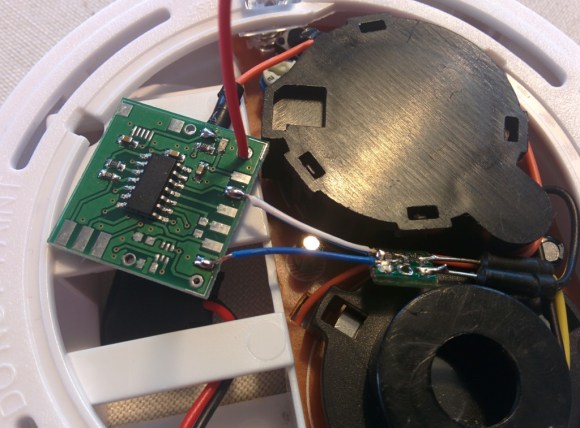 A faulty wire, a discarded burning cigarette, or a left-on curling iron can trigger sparks of fire to engulf everything nearby until all that’s left is brittle mounds of smoldering ash. Which is why smoke detectors are so important. They are life saving devices that can wake people up sleeping inside, well before the silent, but deadly carbon monoxide starts to kick in. But what happens if no one is home, and the alarm begins to blare? The place burns down into the ground without the owners knowing.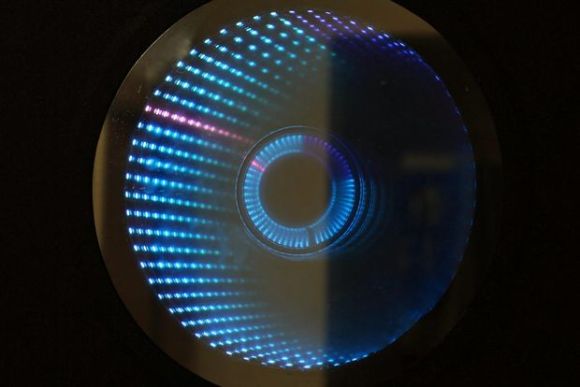

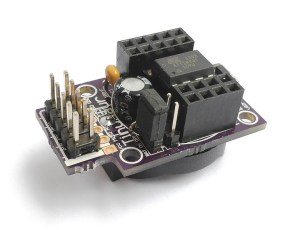 [Neven Boyanov] says there’s nothing special about
  The project featured in this post is an entry in
 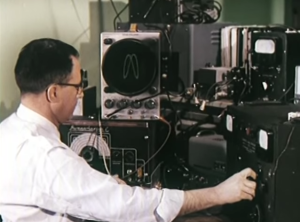 While it’s almost cliché to say they don’t make things like they used to, this week’s Retrotechtacular offers fairly conclusive proof that, at the very least, they used to put more time and effort into manufacturing consumer electronics. Gather your homemade wisecrackin’ robots and settle in front of