The hobbyist electronics market is still tiny, and even though random companies are coming out with some very interesting hardware, these parts and components aren’t exactly meant for us. The ESP8266 WiFi module is a slight deviation from this trend, with hundreds of different ESP dev boards floating around, and weirdos buying them by the bag.
[4ndreas] finally found the ESP8266 in a product; it’s not a very noteworthy observation until you realize how much work has gone into the development of open source toolchains for the ESP.
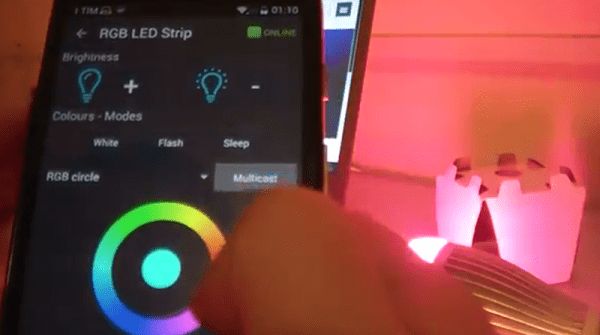
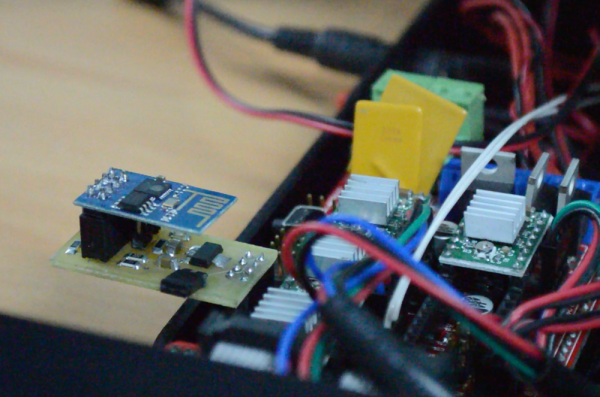
[4ndreas] found an RGB LED strip on Ali Express that could be controlled by WiFi. Inside, he found everyone’s favorite WiFi module, and by shorting two pins, he started up the controller in bootloader mode.
Because of the massive amount of open source development surrounding the ESP8266, there are a host of tools that can be used to program this cheap LED controller. [4ndreas] took a swing at writing his own firmware for the controller and came up with this project.
It’s not a killer project, but it does demonstrate the power of open source toolchains for cheap WiFi modules. This is only the first product found with an ESP8266 inside, but there are undoubtedly others out there just waiting to be taken apart and controlled in more advanced ways.