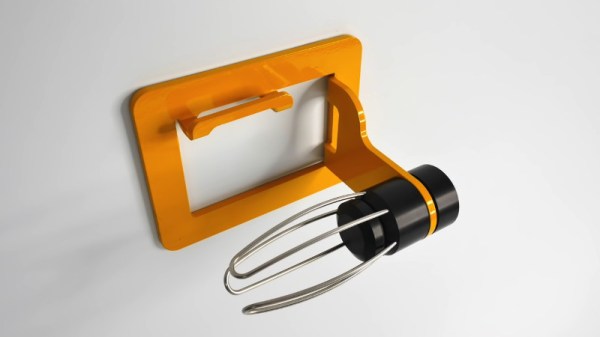
Everything needs to be designed, at one point or another. There are jobs for those who design kitchens, and stadiums, and interplanetary spacecraft. However, there are also jobs for those who design cutlery, hose fittings, and even toilet roll holders. [Eric Strebel] is here to share just such a story.
[Eric] covers the whole process from start to finish. In the beginning, a wide variety of concepts are drawn up and explored on paper. Various ideas are evaluated against each other and whittled down to a small handful. Then, cardboard models are created and the concepts further refined. This continues through several further phases until it gets down to the fun part of choosing colours and materials for the final product.
Watching the effects of cost and manufacturing process shape the finished item is instructive as to how the design process works in the real world. The toilet paper holder itself is an interesting unit, too – using adjustable magnetic detents to enable one-handed use, as well as including a cell phone holder.
We’ve seen [Eric]’s work before – such as his primer on the value of cardboard in design. Video after the break.
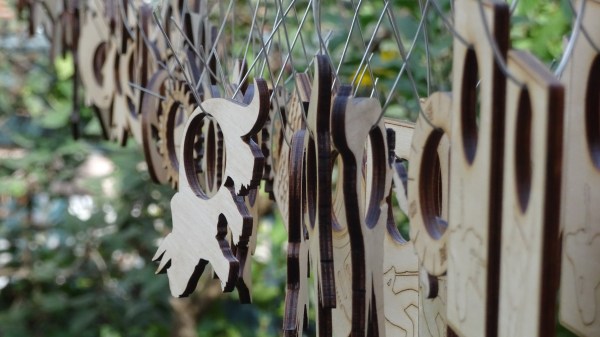
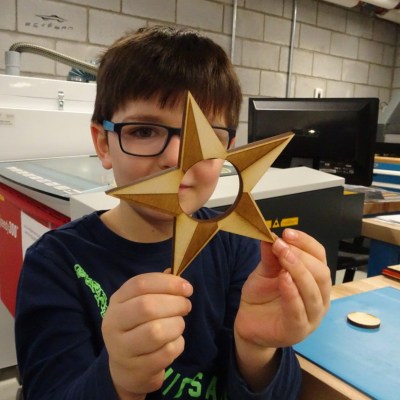 It all began when the kids were taken to a local fab lab at the École Polytechnique and made some laser-cut napkin holders from plywood for personal use. Later, they decided to design, manufacture, and sell them at the Ottawa Maker Faire. Money for the plywood came from piggy banks, 23 different designs made the cut, and a total of 103 rings were made. A display board and signs made from reclaimed materials rounded out the whole set.