Polyglots, in computing terms, are files have multiple valid meanings. We’ve seen some amazing examples of polyglot files in releases of The International Journal of PoC||GTFO. One example: a PDF that is also a ZIP, HTML file, and BPG image.
[Vi Grey] was inspired by PoC||GTFO’s release of a PDF/ZIP/NES ROM hybrid file for issue 0x14. Using a different method, [Vi] created a file which is both an NES ROM and ZIP, where the full contents of the ZIP are stored in the NES ROM.
When PoC||GTFO created their NES ROM polyglot, they stuck most the information outside the bounds of the NES ROM. While the file is valid, you’d lose the ZIP archive if it was burnt to a cartridge.
[Vi]’s polyglot is different. Rip it from a real NES cartridge and you get a ZIP file. Unzip it, and you get the source. Compile that source, and you get a valid ZIP file containing the source. Burn that to a cartridge and… hopefully you grok the recursion at this point.
The source and scripts to mangle the polyglot together are up on Github.
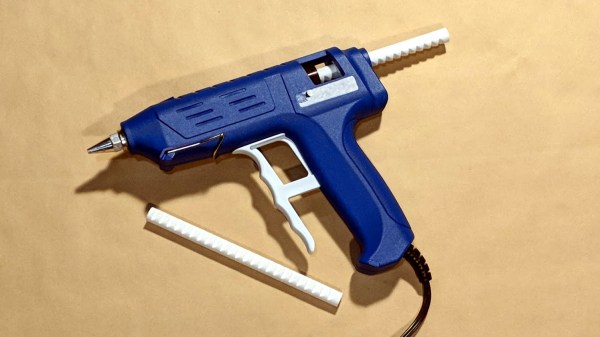
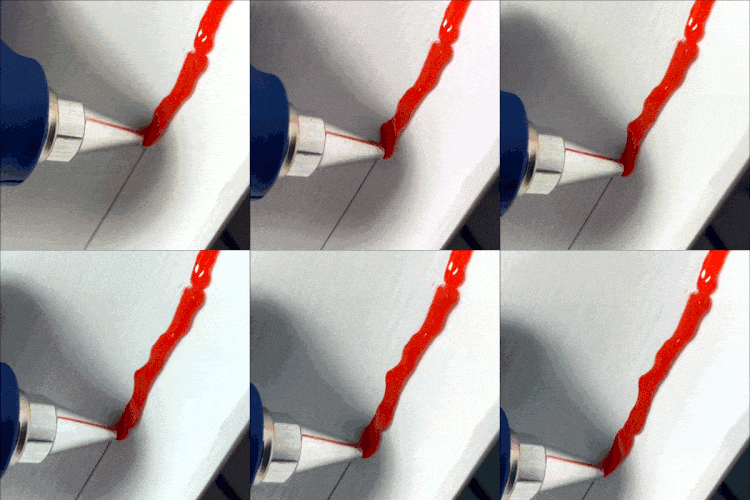 Some solutions come from no more than looking at two dissimilar things while in the right mindset, and realizing they can be mashed together. In this case I had recently segmented a large, hollow, 3D model into smaller 3D-printer-sized pieces and printed them all out, but found myself with a problem. I now had a large number of curved, thin-walled pieces that needed to be connected flush with one another. These were essentially butt joints on all sides — the weakest kind of joint — offering very little surface for gluing. On top of it all, the curved surfaces meant clamping was impractical, and any movement of the pieces while gluing would result in other pieces not lining up.