Measure twice, cut once is excellent advice when building anything, from carpentry to metalworking. While this adage will certainly save a lot of headache, mistakes, and wasted material, it will only get you part of the way to constructing something that is true and square, whether that’s building a shelf, a piece of furniture, or an entire house. [PliskinAJ] demonstrates a few techniques to making things like this as square as possible, in all three dimensions.
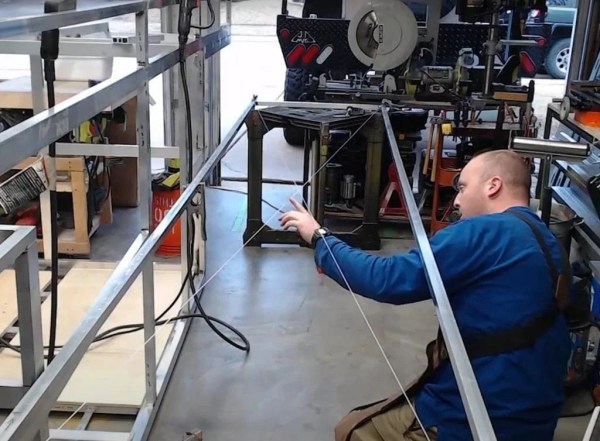
The first method for squaring a workpiece is one most of us are familiar with, which is measuring the diagonals. This can be done with measuring tape or string and ensures that if the diagonals are equal lengths, the workpiece is square. That only gets it situated in two dimensions, though. To ensure it’s not saddle-shaped or twisted, a little more effort is required. [PliskinAJ] is focused more on welding so his solutions involve making sure the welding tables are perfectly flat and level. For larger workpieces it’s also not good enough to assume the floor is flat, either, and the solution here is to minimize the amount of contact it has with the surface by using something like jack stands or other adjustable supports.
There are a few other tips in this guide, including the use of strategic tack welds to act as pivot points and, of course, selecting good stock to build from in the first place, whether that’s lumber or metal. Good design is a factor as well. We’ve also featured a few other articles on accuracy and precision,
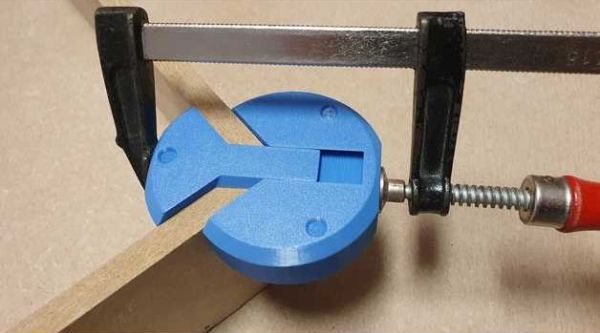

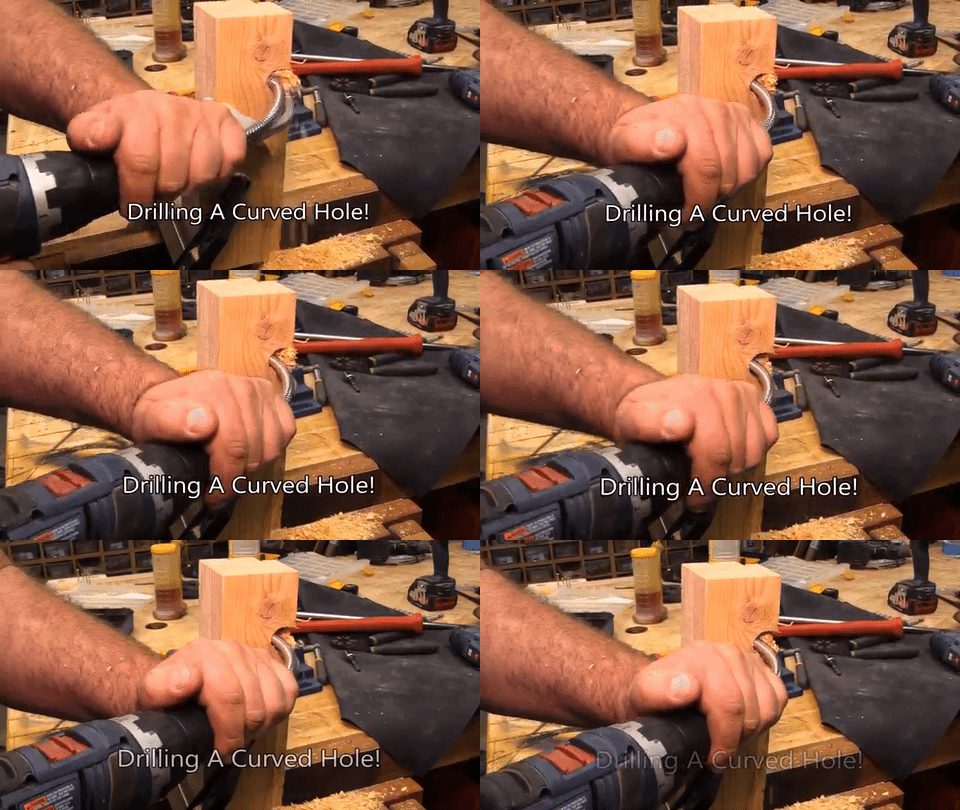
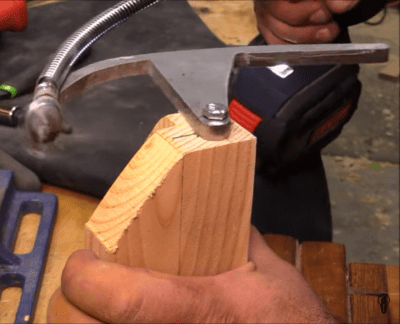 Starting with a piece of steel, [izzy] traced and cut out a 90 degree curve with an attached arm that will allow it to rotate from a central block. He then grabs a random drill bit and attaches it to a flex shaft which is secured to the leading point of the steel curve. To complete the handy setup the entire rig is bolted to a block that will clamp over the corner stock.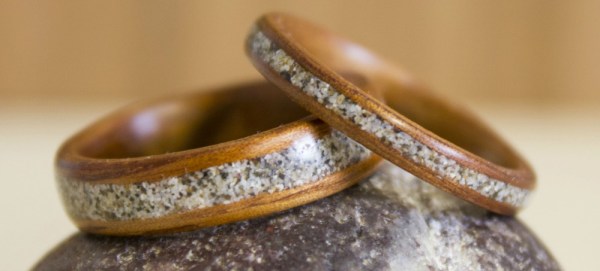
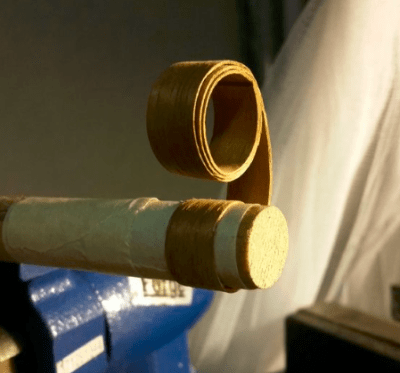 heats the water in the towel, steaming it into the wood. This softens the wood fibers, making the entire strip flexible. The softened wood is then wrapped around a wooden preform dowel and allowed to dry for a day or two.